The material used for a solenoid valve housing affects formability, corrosion resistance, magnetic performance, weight and manufacturing cost. Selection should begin with the valve’s operating environment and electromagnetic design.
Low-carbon steel
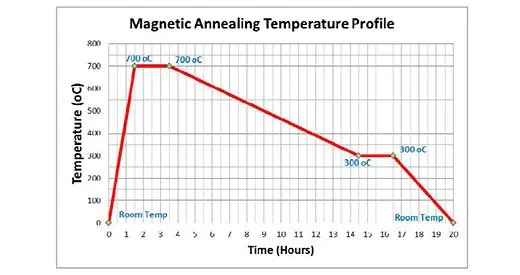
Deep-drawing grades such as DC04 are widely used for magnetic solenoid housings because of their formability and magnetic properties. After forming, stress-relief or magnetic annealing may be used to reduce coercivity, followed by zinc or nickel-based surface protection.
Stainless steel
304 and 316 stainless steels are suitable where corrosion resistance and cleanliness are important. Austenitic stainless steel is commonly used for sleeves and thin-wall housings, although its magnetic characteristics must be considered in the valve design.
Aluminium alloys
Aluminium provides low weight and good corrosion resistance. Deep-drawing grades can be anodized after forming, making them useful for sensor and valve housings where mass reduction is valuable.
Selection factors
Confirm tensile strength, elongation, hardness, sheet thickness, magnetic permeability, corrosion resistance, coating compatibility and cost. Prototype forming and functional testing should be completed before production approval.
Leave a Comment