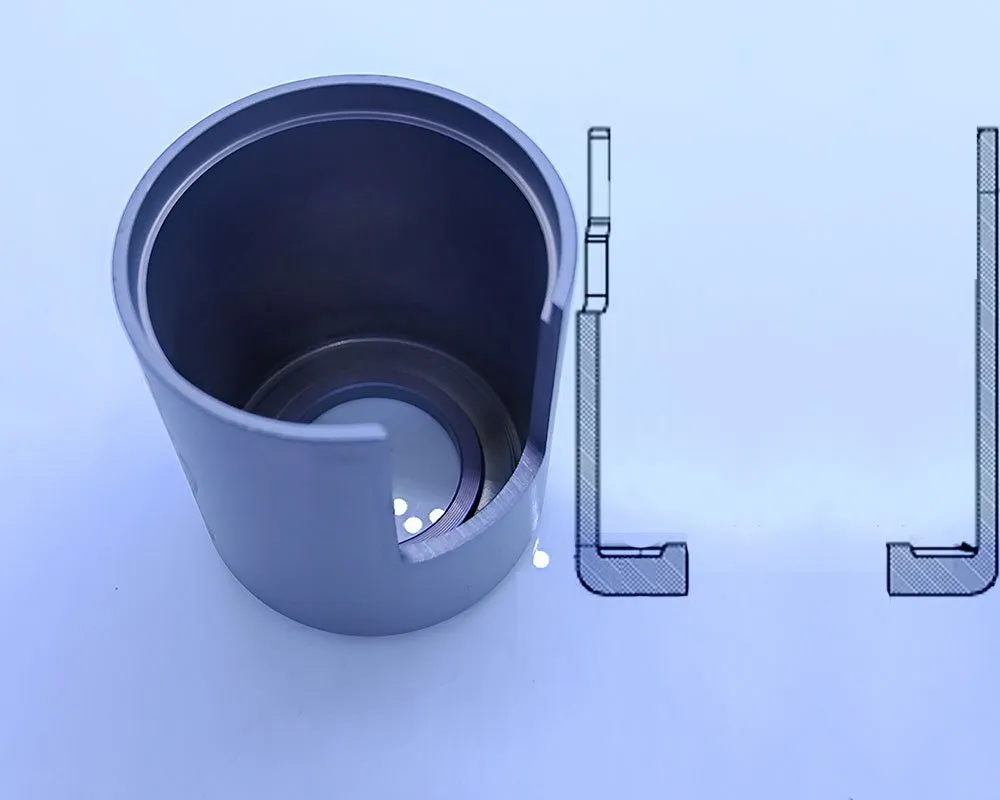
Ironing is a sheet metal forming technique that uniformly thins the workpiece in a targeted region.This process proves highly beneficial when combined with deep drawing to create components with consistent wall thickness and a heightened height-to-diameter ratio.
What is Ironing process
Ironing is a crucial technique within the realm of deep drawing, involving the uniform thinning of a workpiece in a specific area. When integrated strategically with deep drawing processes, ironing plays a vital role in producing components with consistent wall thickness and enhanced height-to-diameter ratios.
Our Expertise
We emphasize the art of thinning thick materials during deep drawing processes while preserving the original material thickness at the base. Through targeted ironing and deep drawing of the outer wall, we achieve impeccably smooth exteriors and perfectly straight walls, effectively tackling demolding challenges. This sophisticated technique is seamlessly integrated into our progressive deep drawing processes, showcasing our specialized capabilities in precision metal forming.
Ironing in thin-wall deep drawing
Ironing in thin-wall deep drawing ensures a smooth finish, tight tolerances, and enhanced mechanical properties, contributing to the overall quality and functionality of the final product.
Balford excels in precision ironing and thin-wall deep drawing using progressive dies, demanding advanced technology. Our capabilities extend to achieving minimal outer and inner R values through ironing and thin-wall deep drawing, maintaining high mold requirements.
Benefits
Reduced Energy Consumption
Thin-wall deep drawing eliminates the need for traditional cold extrusion, cold heading, casting, or forging methods, reducing energy consumption and equipment tonnage requirements.
High Product Strength
Products from thin-wall deep drawing exhibit superior strength and toughness due to steel cold extrusion, enhancing wear resistance.
Tighter Tolerances
Components crafted through thin-wall deep drawing achieve precise tolerances, ideal for precision fits.
High Surface Quality
Parts from thin-wall deep drawing display superior surface quality, free from marks and imperfections, offering a sleek finish.
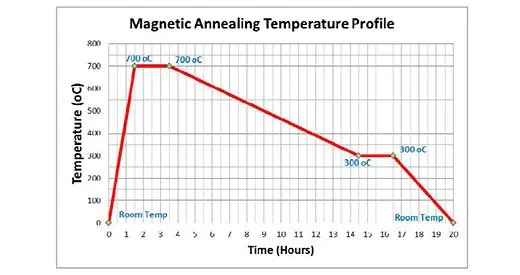
This process is ideal for manufacturing mechanical components like engine parts, transmission components, and hydraulic parts, ensuring high stress endurance and precise fittings. Stress relief annealing may be required post-forming for stress and springback resistance.
Leave a Comment