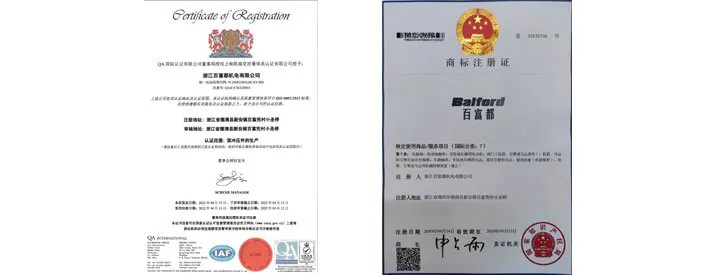
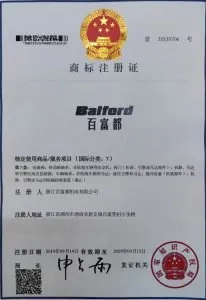
Balford Trademark
The main benefits of a trademark include brand protection, market competition, intangible assets, legal protection, and advertising promotion.
Prevent infringement and confusion
Registering a trademark can prevent others from registering an identical or similar trademark in the category of goods or services that you specialize in, thereby avoiding consumer confusion. This helps protect your brand from infringement, and once counterfeit products are discovered, you can use legal weapons to defend your rights.
Establishing a brand and competing in the market
By registering a trademark, you can create your own brand and seize market share. A branded product is more competitive in the market, and consumers are more willing to pay higher prices for branded products.
Intangible assets and value assessment
A trademark is an intangible asset that can be valued. Trademarks can realize their value through transfer, licensing to others, or pledging. This is very beneficial for asset management and financing of enterprises.
Legal protection and rights protection
After registering a trademark, you have exclusive rights to the trademark and are protected by law. Without authorization, others are not allowed to use it. Otherwise, you can protect your rights through legal means and obtain economic compensation.
Advertising and marketing promotion
Trademarks play an important role in advertising and promotion, and often contain trademark information in the advertising information of businesses. Trademarks become the carrier for conveying business information. Registering a trademark can increase consumers’ trust in the product and promote market promotion.
Comprehensive function
Trademarks not only help distinguish the source of goods and ensure stable quality, but also promote market competition and advertising. In modern society, trademarks are important assets for enterprises and are crucial for brand building and market promotion.
Source: Balford Trademark
ISO 9001 – Quality Management Certification
About ISO 9001
The ISO9001 quality management system certification standard is a summary of the development of management theory and practice in many countries, especially developed countries, over the years. It embodies a management philosophy and quality management methods and models, and has been adopted by more than 100 countries and regions around the world. The ISO9001 international quality management system standard is the most mature set of management systems and standards in the world to date, and is fundamental to the development and growth of enterprises. It not only sets standards for quality management systems, but also for overall management systems, helping organizations achieve success through improvements in customer satisfaction, employee motivation, and continuous improvement. In addition, the ISO9001 standard applies to all industries to demonstrate an organization’s ability to provide products that meet customer requirements and applicable regulatory requirements, with the aim of enhancing customer satisfaction. By obtaining ISO9001 certification, enterprises can improve their internal management level, clarify personnel responsibilities, ensure product quality, reduce management costs, enhance customer confidence, and improve their corporate image and competitiveness.
Benefits Using The ISO 9001 Framework Include:
Improve product and service quality: By implementing a standardized quality management system, reduce defects and errors, and enhance customer satisfaction.
Enhancing market competitiveness: ISO 9001 certification is regarded as a symbol of reliable quality assurance for enterprises, which helps to win new customers and projects.
Optimize internal management: clarify the responsibilities and authorities of each department and position, reduce efficiency and internal friction caused by unclear responsibilities.
Reduce costs: By reducing scrap, rework, and waste, lower production costs; Improve process efficiency, reduce unnecessary steps and resource waste.
Enhance employee quality and motivation: Train and educate employees to follow quality management principles and methods, and improve their professional skills and quality awareness.
Enhance corporate reputation and image: Show the company’s commitment and emphasis on quality to the outside world, and enhance the company’s social image and reputation.
Source: Balford ISO9001:2015

Leave a Comment