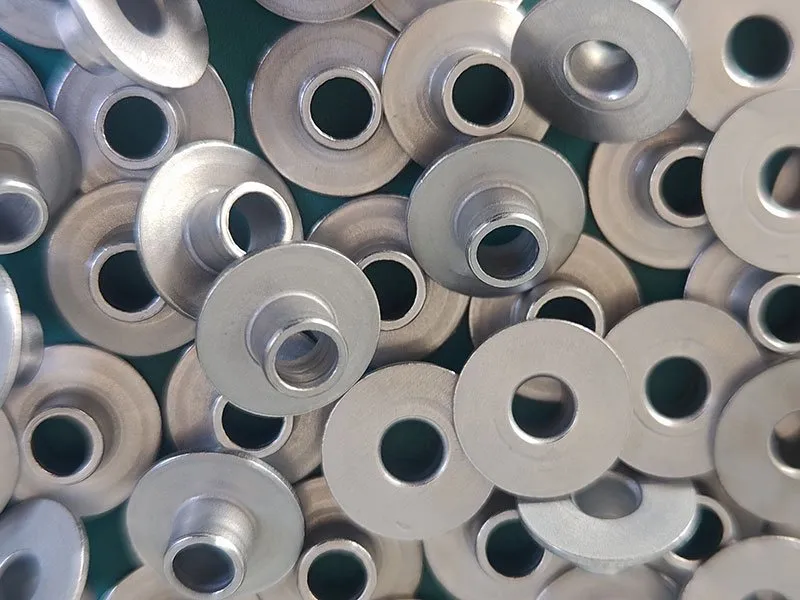
Metal Stamping: An Efficient and Versatile Manufacturing Technique
Metal stamping is a fundamental and highly efficient process in the metalworking industry that has revolutionized the production of countless components and products across various industries. This technique involves the deformation of metal sheets or coils into desired shapes and sizes through the application of pressure by stamping presses, utilizing specially designed dies. In essence, metal stamping is a form of precision sheet metal forming that combines the art of die making with the science of material science.
Overview of the Process
The metal stamping process begins with the selection of the appropriate metal material, which can range from mild steel to stainless steel, aluminum, copper, and other alloys. Once the material is chosen, it is typically cut into sheets or coils suitable for feeding into the stamping press. The stamping press is a machine designed to apply immense force to the metal, shaping it into the desired form by pressing it between a male (punch) and female (die) die set.
The dies are precision-engineered tools made from tough, wear resistant materials such as hardened steel, carbide, or ceramics. They are designed to work in conjunction with each other, with the punch pushing the metal into the die cavity to form the part. The dies can be single-stage, which produce the final part in a single operation, ormulti-stage, which require multiple presses and dies to create complex shapes.
Advantages of Metal Stamping
1. Efficiency and Speed: Metal stamping is a highly automated process that can produce large quantities of identical parts quickly and efficiently. This makes it ideal for mass production, where time and cost savings are critical.
2. Precision and Accuracy: With precise dies and modern stamping presses, metal stamping can achieve tight tolerances and high-quality finishes, resulting in parts with excellent dimensional accuracy and consistency.
3. Cost-Effectiveness: Due to its high production rates and low scrap rates, metal stamping offers a cost-effective manufacturing solution, especially for large-scale productions.
4. Versatility: Metal stamping can be used to create a wide range of shapes and sizes, from simple flat washers to complex three-dimensional components. It is also compatible with various metals and alloys, allowing for a diverse array of applications.
5. Secondary Operations: Stamped parts can be easily subjected to further processing, such as punching, bending, tapping, or threading, all within the same machine or on subsequent machines, streamlining the production process.
Applications of Metal Stamping
Metal stamping has numerous applications across various industries, including but not limited to:
Automotive Industry: Stamped metal components are ubiquitous in automobiles, from body panels and chassis parts to engine components and interior trim.
Electronics Industry: Metal stamps are used to produce connectors, terminals, housings, and shields for electronic devices and components.
Appliance Industry: Refrigerators, washing machines, and other household appliances often contain stamped metal parts for structural support and aesthetic appeal.
Aerospace Industry: The aerospace industry relies heavily on metal stamping for components that require strength, lightness, and precision, such as aircraft frames, engine components, and fasteners.
Medical Industry: Metal stamps are used to produce surgical instruments, implants, and devices for diagnostic equipment.
Conclusion
In conclusion, metal stamping is a powerful and versatile manufacturing technique that enables the rapid and cost-effective production of high-quality metal parts. Its precision, speed, and scalability make it an invaluable tool for industries that require large quantities of precision-made components. As technology continues toadvance, metal stamping is poised to play an even more significant role in shaping the future of manufacturing.
Leave a Comment