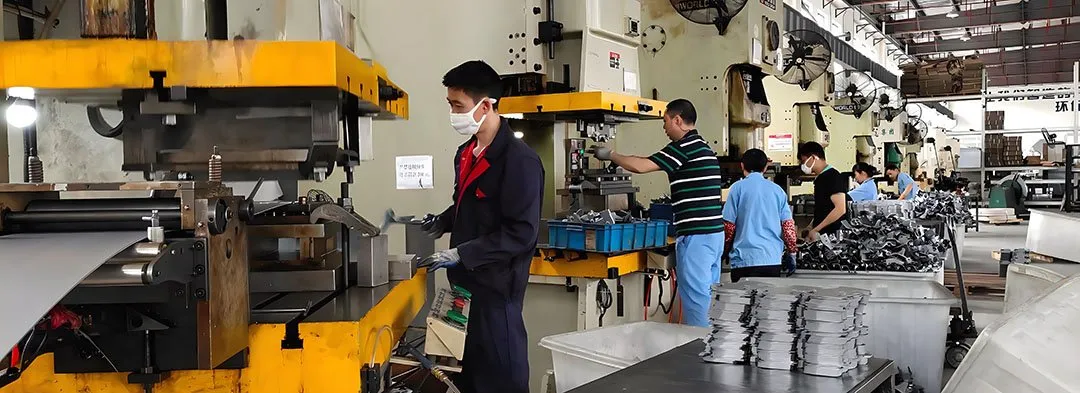
This article discusses the pricing methods and rules for stamping parts, including preparation, project-based quotation process, and factors influencing pricing. It emphasizes the importance of consulting with stamping part manufacturers or suppliers.
Preparing for Pricing
Verify Current Raw Material Prices: Check the current prices of raw materials, considering a 10% increase to account for potential future surges. This includes prices of materials such as tungsten steel, molybdenum vanadium mov, medium carbon steel, and low carbon steel. Determine the required tonnages for stamping molding and consider the use of fixtures. Take into account fixture production costs, stamping costs, machining costs (e.g., turning, grinding), and surface treatments (e.g., oxidation, spraying, electrophoresis, electro-galvanizing).
Quotation Process
Determine Raw Material Specifications: Obtain 3D drawings from the customer. If 3D drawings are not available, calculate the expanded area based on the 2D drawings. Use the formula: length * width * thickness * density * unit price (in yuan/kg) * (1.1-1.2) to calculate the cost of raw materials based on the gross weight.
Stamping Production Process: Determine the stamping production process, whether it involves continuous die or single punching engineering die. Consider the number of processes involved, post-processing requirements, packaging style, and logistical considerations such as transportation.
Itemized Quotation
Raw Material Cost: Calculate the net weight of the product and apply the material rough coefficient (considering edge materials for continuous die or single punching). If external processing is required, add the corresponding costs. Consider surface treatment fees. As stamping processing typically spans 60 days per month, account for financial occupancy costs, packaging costs, and transportation costs. The unit price should be set at the lowest price possible. Multiply the material cost by the coefficient to calculate the processing cost.
Stamping Process Fee: Calculate the cost based on a single punch process, regardless of whether it is continuous die or single die. For larger orders with favorable payment terms, divide the daily production capacity by electricity costs, labor costs, and other marginal costs to determine the lowest unit price for the product.
Rules for Stamping Parts Quotation
Consider the following factors when quoting stamping parts:
- Gross weight raw material cost
- Labor costs
- Electricity charges
- Equipment depreciation
- Workshop costs
- Mold costs
- Yield rate
- Value-added tax and other taxes
Product Unit Price = [(Gross Raw Material Cost + Labor Cost + Electricity Cost + Equipment Depreciation + Workshop Cost + Mold Cost) / Yield] * 113% + Packaging and Transportation Costs + Management Fees
Composition of Stamping Parts Quotation
A comprehensive quotation for stamping parts includes:
- Calculation of Material Cost for Stamping Parts
- Processing and Manual Operation Fees
- Electricity Charges
- Management Fees
- Profit Margin
- Tax Costs
The gross weight raw material cost is a significant component in the quotation process. For simple products, the basic price is typically one unit of currency (e.g., one yuan) for both raw materials and processing fees, resulting in a total price of two units. The pricing of materials and labor costs depends on the complexity of the stamping parts and prevailing industry conditions.
FAQ about Stamping Parts Price
The price of a stamping tool can vary widely based on factors such as complexity, size, design specifications, material requirements, and the supplier or manufacturer. Costs can range from a few hundred dollars for simple tools to tens or hundreds of thousands of dollars for more complex ones.
To calculate the raw material cost, identify the Bill of Materials (BOM) listing all the materials needed for one unit of the product. Determine the unit price for each material and multiply it by the quantity required. Sum up the total cost of all materials in the BOM to get the overall raw material cost.
The cost comparison between stamping and casting depends on factors such as part design, material, production volume, and manufacturing requirements. It’s best to consult with experts or suppliers to obtain an accurate cost analysis for your specific application.
The cost of a stamping die depends on factors like part complexity, die type, materials used, and the supplier. Consult with stamping die manufacturers, providing them with detailed specifications, to obtain an accurate cost estimate based on your requirements.
Several factors influence stamping parts’ price, including raw material costs, part complexity, production volume, tooling and setup, post-processing requirements, tolerances and quality standards, and the supplier’s location and pricing structure.
It’s important to note that actual pricing may vary based on specific project requirements and market conditions. Consulting with manufacturers or suppliers experienced in stamping parts can provide more accurate pricing information for your particular needs.
Leave a Comment