Your China & Yunnan Travel Experts

 Ask a Question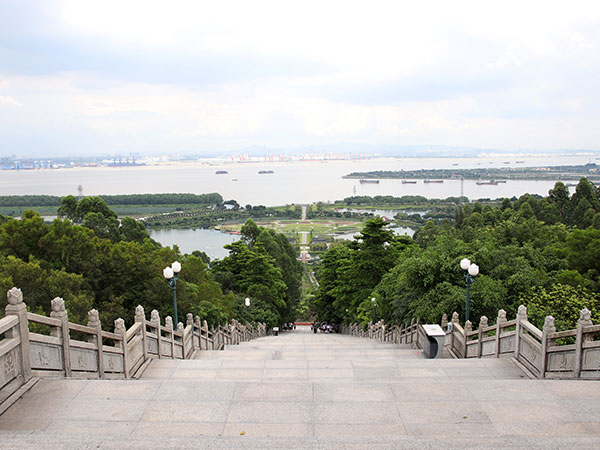
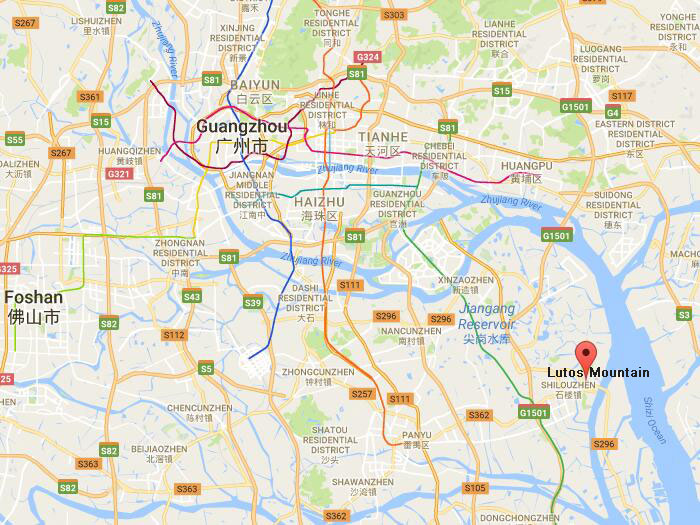
18 Ximen Road, Shilou County, Panyu District, Guangzhou, Guangdong Province, China
A good site to have a refreshing tour in Guangzhou
It is said that a long time ago, a fierce dragon in the South China Sea caused trouble at the estuary of the Pearl River, often flooding fields and capsizing boats, and the residents along the coast suffered a lot. Coincidentally, the Guanyin Bodhisattva of the South China Sea was traveling here and saw the fierce dragon causing harm and the people suffering. So she threw the lotus she was riding into the water to suppress the fierce dragon. This lotus turned into a huge stone, permanently suppressing the mountain, becoming the Lotus Stone beside the South Gate of Lianhua Mountain today, and thus Lianhua Mountain got its name.
In ancient times, the stone of Lianhua Mountain was of high quality, with high density and fine sand quality. It was used by the ancients as a whetstone, so Lianhua Mountain was also called "Shili Mountain" or "Shili Gang". Since the Ming Dynasty, many parts of the mountain body have been mined as stone quarries, and a huge stone in the shape of a lotus remains, so it is named Lianhua Mountain.
Firstly built on 1664, Lotus City which was built along the Lotus Mountain was once a city covering about 10,000 square meters, functioning as a defense city in Qing Dynasty. Lotus Mountain was titled as “The Great Wall of Guangdong”. It was once the important military area. And now, there is a Qing Dynasty Military Camp has been built in Lotus Mountain for tourists to experiencing the warring time.
Ancient Quarry Site
The Lotus Mountain is composed of 48 red sandstone hills. Since the Western Han Dynasty more than 2,000 years ago, the ancestors of successive dynasties have been quarrying stones here. The red sandstone here has a high density and fine sand quality, which is an excellent building material. It is said that 8 out of the 12 kinds of stones used in the Nanyue King's Tomb built more than 2,100 years ago on Xianggang Mountain in Guangzhou were mined from Lianhua Mountain. The stone caves, steep cliffs and towering stone pillars left by the ancestors are the remains of the ancient quarry, forming a unique stone forest scenic area. Here, people can not only see the magnificent scenery formed by various strangely shaped rocks, but also experience the hardships of the ancestors when they mined stones.
Lianhua Tower
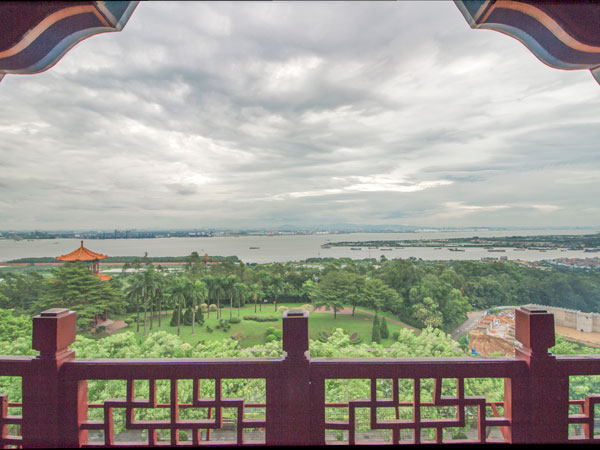
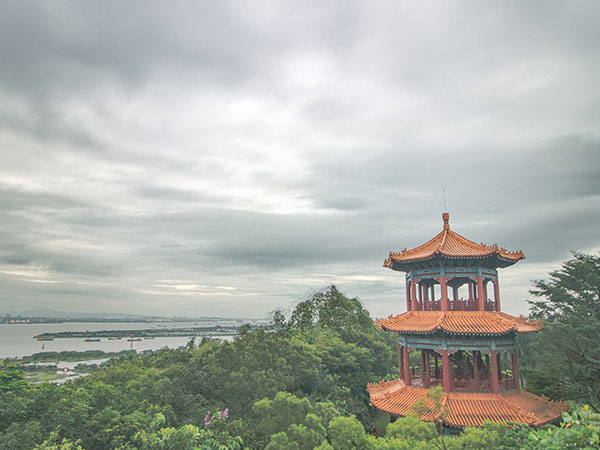
Built in the 40th year of Wanli in the Ming Dynasty (1612), it is nearly 400 years old and is a provincial-level cultural relic protection unit. The tower is located on the main peak of Lianhua Mountain, 50 meters high, with 9 floors on the outside and 11 floors on the inside. There is a statue of Confucius on the top of the tower. In the past, the ships entering the Pearl River from the Lingdingyang used the Lianhua Tower as a navigation mark to enter Guangzhou. Climbing to the top of the tower, you can overlook the beautiful scenery of the Shiziyang Sea.
Lianhua City
Established in the third year of the Kangxi era (1664) during the Qing Dynasty, it is located at the northeastern corner of Lianhua Mountain, covering an area of more than 10,000 square meters. The city is an irregular oval-shaped fortress, with walls more than 10 meters high, equipped with crenellations and walkways for lookout and patrol. It has a strategic position, overlooking the Shiziyang Sea, and has the reputation of "Defender of the Mountain Fortress". Inside the city, there are exhibitions of the original layout of Lianhua City, displays of the Qing Dynasty's Eight Banners military system, as well as a discussion hall, general's tent, etc., which can let visitors understand the history of the Eight Banners army in detail.
Avalokitesvara of the Sea
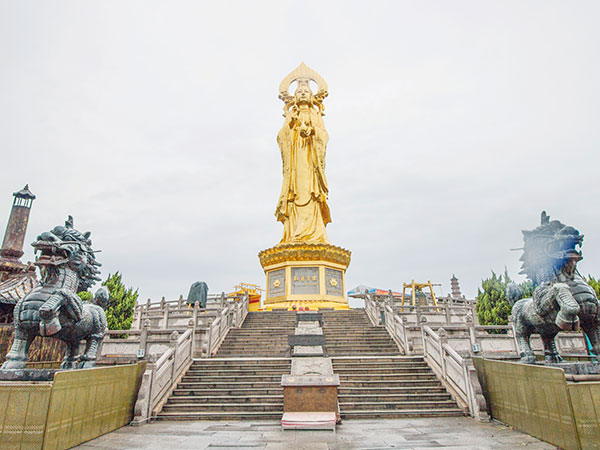
Also known as "Wang Hai Guanyin", it was initiated by Mr. He Houhua. The statue is 40.88 meters high, cast with 120 tons of copper and covered with pure gold. It is the tallest gold-plated bronze Guanyin statue in the world. The Guanyin statue faces the sea, holding a jade clean bottle, and tourists can overlook the magnificent sea view of the South China Sea here.
Lianhua Wonderland
It is a place in the scenic area where you can wear ancient costumes to take beautiful photos. There are also lotus flowers to enjoy, allowing tourists to feel the unique cultural atmosphere and natural beauty.
Launched in the 1980s, this festival runs annually from June to August. During the event, over 1,200 lotus varieties and nearly 600 water lily species from around the world are on display, creating a spectacular floral feast. For the 37th edition in 2025, a real-scene landscape drama titled A Millennium of Stone Sea · Lotus Boat on the Silk Road was staged. Immersive interactive activities were also held, such as offering half-price tickets for visitors in traditional Hanfu, giving out cultural and creative bags to those who can recite Ode to the Lotus, and hosting poetry solitaire games.
Held during the Spring Festival holiday, the 2025 Peach Blossom Cultural Tourism Festival centered on the theme "Watch Water Lions and Visit the Peach Blossom 'Fate' Temple Fair". It featured intangible cultural heritage (ICH) demonstrations like water lion dances and Chaoshan Yingge dances, along with the "Lotus Ode" art sketch exhibition. Additional highlights included the "Blessing Mountain" contest, the God of Wealth giving out blessing bags, and the Spring Festival Peach Blossom "Fate" Temple Fair. A newly built peacock park also opened to the public, allowing visitors to observe and feed peacocks up close.
Typically spanning from September to December, the 6th Guangzhou Lianhua Mountain Autumn Mountain-Climbing Cultural Tourism Festival kicked off on October 1, 2025. Guided by the core themes of "ecological beauty, cultural charm, sports fun, and public benefits", the event showcased more than 600 water lily species. It also set up fun sports activities themed around the 15th National Games of China. In November, the festival segued into the 6th Guangzhou Lianhua Mountain Egret Festival, which included an egret photography exhibition and an egret popular science exhibition.
Best time to visit: Spring Festival - peach blooming time; Jun to Aug - play in the water park
From on request
From $ 364
From $ 569

 English