Your China & Yunnan Travel Experts

 Ask a Question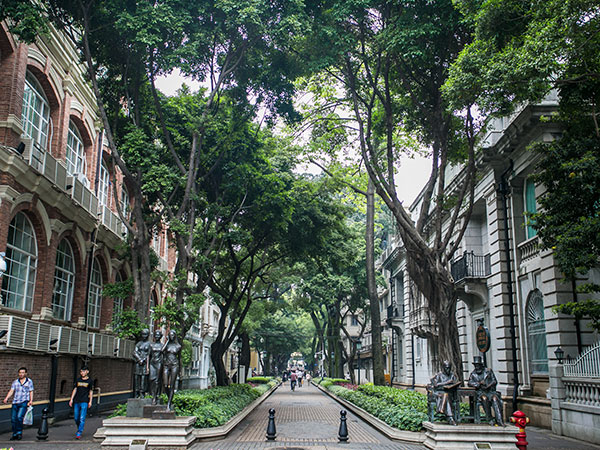
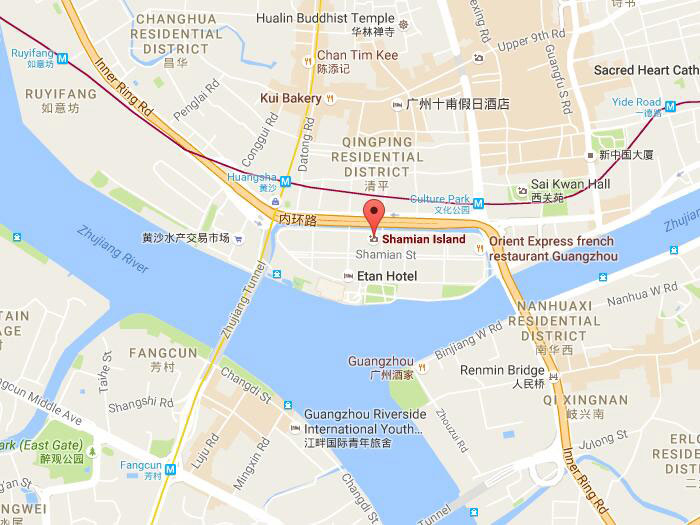
North Bank of Baie Bond, Liwan District, Guangzhou, China
A romantic place to take great pictures
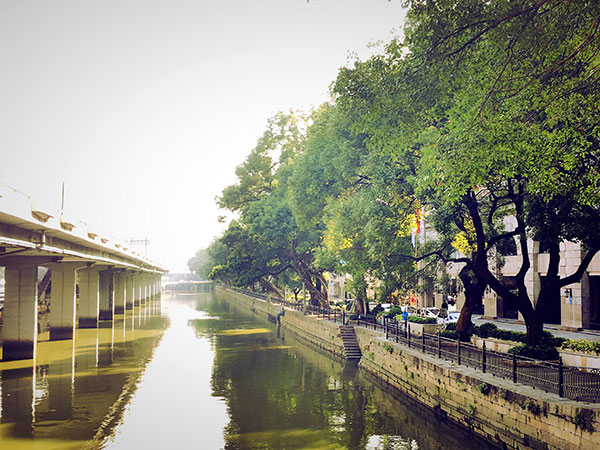
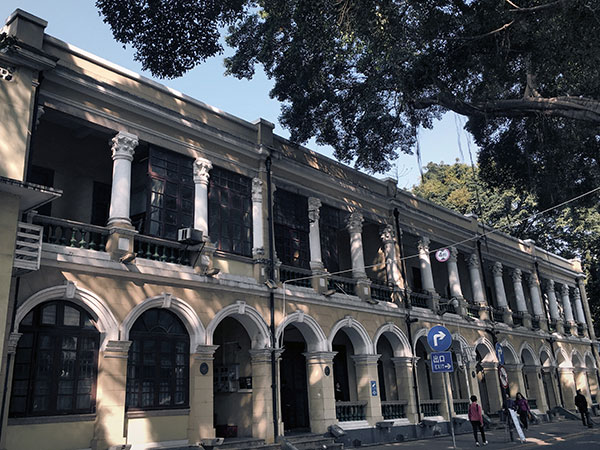
Shamian Island is a sandbank island in the Liwan District of Guangzhou city. The territory was divided into two concessions given to France and the United Kingdom by the Qing Dynasty government in the 19th century. The island is a historical area that serves as a tranquil reminder of the colonial European period, with quiet pedestrian avenues flanked by trees and lined by historical buildings in various states of upkeep. The island now is the location of several hotels, a youth hostel, restaurants and tourist shops selling curios and souvenirs.
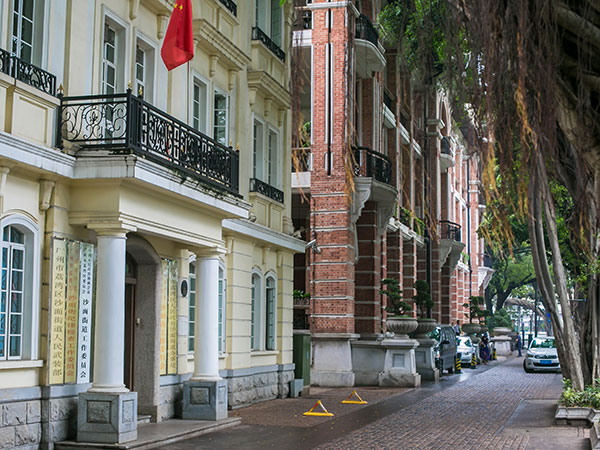
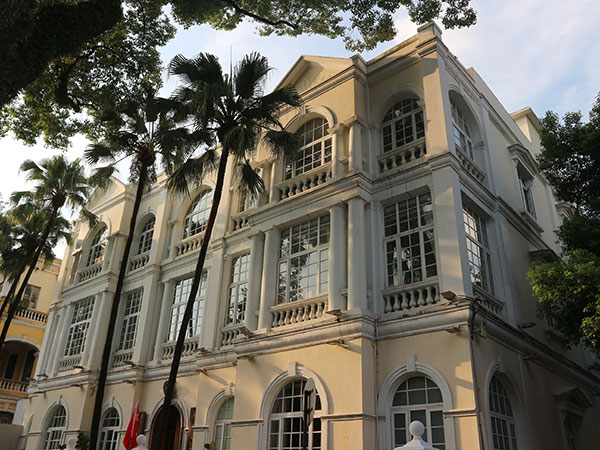
As it has been the concession of France, Britain and other western countries, there are lots of buildings are of western style, such as the Catholic Church in French Concession, Christ Church in British Concession, the former HSBC, former British and French Consulates. The land boasts many trees and pleasant environment, together with such buildings, organizations, sports and entertainment facilities. Due to the transportation restriction on the island, there is no traffic jam and air pollution on the land. Like the small towns in Europe, there are many café, restaurants and bars along side. And there are many suitable chairs on the side of the road.
Shamian Island, a tiny sandbank island covering just 0.3 square kilometers in the Pearl River, holds a pivotal place in Guangzhou’s modern history. Originally a mere sandbar, it was developed into a commercial and diplomatic hub after the Treaty of Nanjing (1842) following the First Opium War. In 1859, it was officially designated as a foreign concession area, where Britain, France, and other Western powers established consulates, banks, churches, and residences. For nearly a century, Shamian operated as a “miniature international community,” with its architectural style blending European neoclassicism, Gothic revival, and Art Deco. Unlike many old concession areas in China that were heavily reconstructed, Shamian has preserved over 150 historical buildings in their original form, making it a living museum of colonial-era architecture and a testament to Guangzhou’s role as a key port in China’s modernization.
After 1949, the mansions of Shamian became government offices or apartment houses and the churches were turned into factories. On the basis of retaining the original architectural features, many buildings were converted into commercial use after repair, and also be used to be consulate and many foreign representative offices from Poland, Germany, the United States, the Czech republic, the Korean, etc.
Now, Shamian Island is a famous tourist site in the city, a laid-back area ideal for strolling or stopping for a meal or cup of tea.
Shamian White Swan Hotel
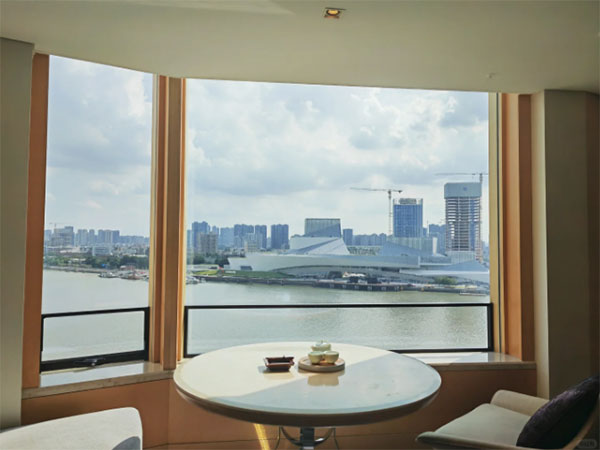
A landmark with a history dating back to 1983, it was one of China’s first five-star hotels. Its iconic “Lakeside Garden” with a glass-roofed atrium and lotus pond is a popular spot for photos. Even if you’re not staying here, stop by the lobby to admire its blend of Chinese elements and Western luxury—don’t miss the traditional Chinese painting “Hundred Birds Paying Homage to the Phoenix” in the main hall.
Sacred Heart Cathedral (Shamian Branch)
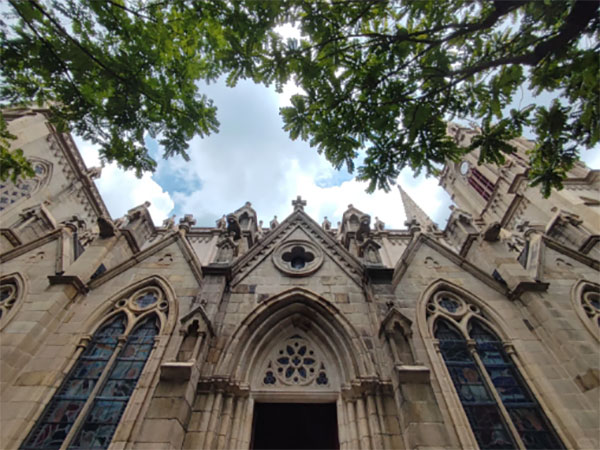
Also known as “Stone Church,” this Gothic revival masterpiece was built in 1863 using granite imported from Hong Kong. Its pointed arches, stained glass windows, and towering spires (reaching 28 meters) are striking features. Inside, the serene atmosphere and intricate stone carvings make it a peaceful retreat from the bustling island. Mass is held on Sundays, and visitors are welcome to attend or simply explore the interior quietly.
Shamian Park
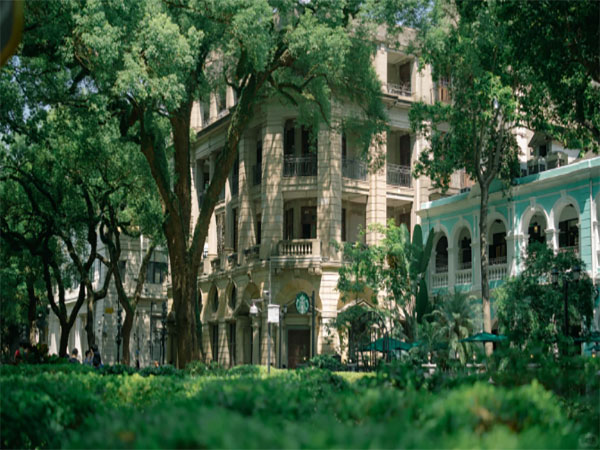
A lush green space spanning the southern part of the island, lined with ancient banyan trees and colorful flower beds. It’s a favorite spot for locals to practice tai chi, play chess, or picnic. The park offers beautiful views of the Pearl River and the Guangzhou Tower in the distance—ideal for a leisurely stroll or to relax after exploring the island’s buildings.
Former British Consulate
A neoclassical building with a grand colonnade and symmetrical facade, constructed in 1865. Though it’s not open to the public (now used as a government office), its exterior is a prime example of colonial architecture. The lawn in front of the building is often used for cultural events and is a great spot to capture the building’s full grandeur.
European-Style Streets & Boutiques
Wander along Shamian North Street and Shamian South Street, where tree-lined sidewalks are flanked by restored colonial villas. Many buildings now house art galleries, cafes, and boutique shops selling handicrafts and designer goods. Look out for the colorful window boxes, wrought-iron fences, and vintage street lamps that add to the island’s romantic, old-European charm.
Metro (Most Convenient): Take Metro Line 1 or Line 6 to Huangsha Station (Exit D). Walk straight along Yanjiang West Road for about 8 minutes, then cross the Shamian Bridge to reach the island’s north entrance. Alternatively, take Metro Line 6 to 文化公园站 (Wenhua Park Station) (Exit A), then walk 10 minutes west along the Pearl River embankment.
Bus: Multiple bus routes stop near Shamian Island, including Bus No. 9, 57, 123, 188, 208, 209, 217, 219, 236, 270, 281, and 538. Get off at Shamian Island Station or Huangsha Wharf Station, then walk 3-5 minutes to the island.
Water Bus: For a scenic arrival, take the water bus from 西堤码头 (Xidi Wharf) to 黄沙码头 (Huangsha Wharf). The 15-minute ride offers views of the Pearl River; from Huangsha Wharf, walk 5 minutes across Shamian Bridge to the island.
Taxi/Didi: Simply tell the driver “Shamian Island” (沙面岛) – most drivers know the main entrance near the White Swan Hotel. Note that private cars are not allowed to enter the island’s core area, so you’ll need to get off at the entrance and walk inside.
From on request
From $ 364
From $ 569

 English
