Your China & Yunnan Travel Experts

 Ask a Question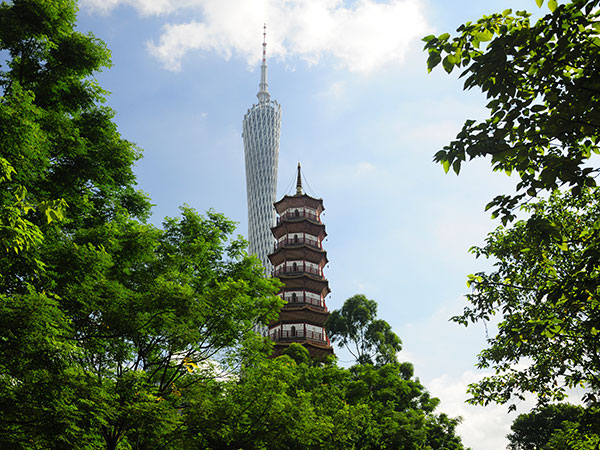
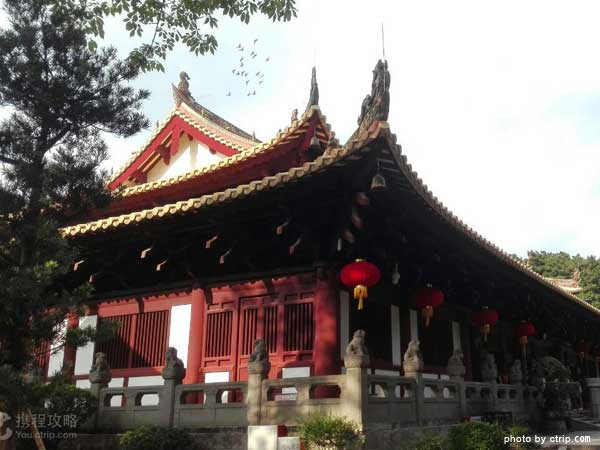
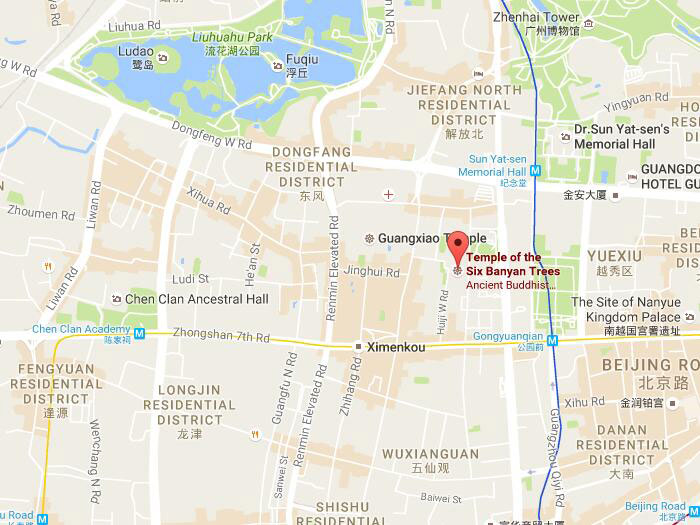
Liurong Road, Guangzhou, Guangdong Province, China
A ancient Buddhist temple with more than one thousand years of history
Situated on Liurong Road, Temple of the Six Banyan Trees is a world famous ancient Buddhist temple built in 537 in Southern dynasties (386-581A.D). More than 1460 years ago in the Liang dynasty, Emperor Liangwu ordered the master priest, Tanyu to built Baozhuangyan Temple to store the Buddhist bones brought from Kampuchea. It is one of the four best Buddhist temples in Guangzhou, together with Guangxiao Temple, Hualin Temple and Haidong Temple.
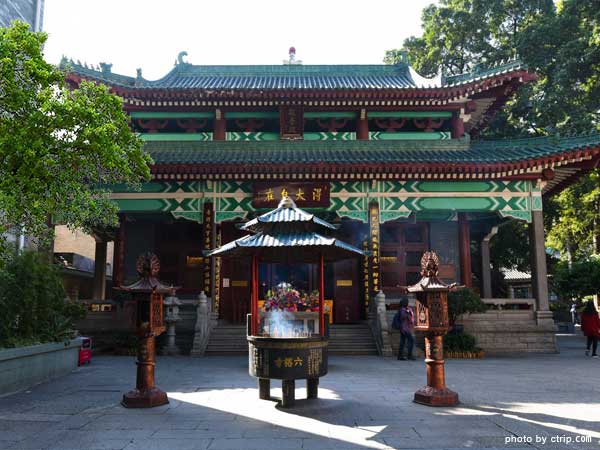
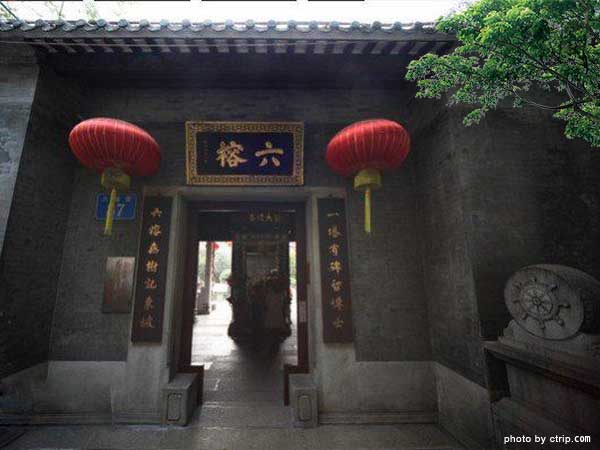
It has a rich collection of cultural-relics and is renowned both at home and abroad. Burning joss sticks is a big event when visiting the temple. Inside you will find three large Buddist icons; Sakyamuni in the middle, Amitabha to the left, and Maitreya on the right. These are the largest ancient brass structures in Guangdong Province. During the Northern Song dynasty, a great writer - Su Shi, on a visit to this temple was attracted by the six banyan trees surrounding it and wrote the inscription "Liu Rong" (Six Banyan Trees).
Temple of the Six Banyan Trees was originally called the Baozhuangyan Temple, but during the Northern Song dynasty, a writer called Su Shi wrote the inscription Liu Rong (Six Banyan Trees) because of the six banyan trees he saw there and since then it was renamed the "Banyan Tree" temple.
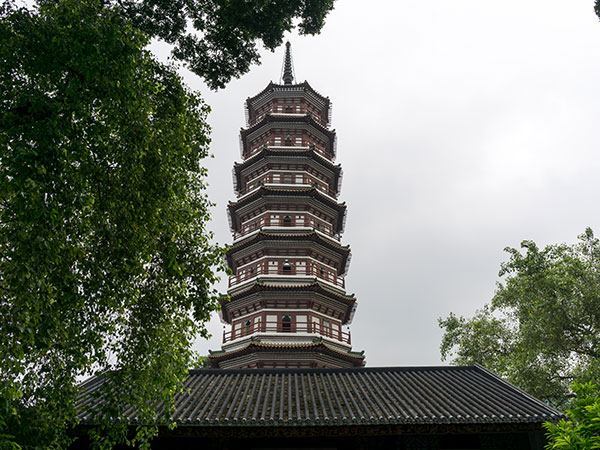
The temple was burned down and rebuilt in the Northern Song dynasty. Flower Pagoda, the main structure of the temple, was built in 1097, and was named for its colorful exterior. The Flower Pagoda once had a square base in its architecture, but was given an octagonal shaped base after it was rebuilt in 1097. It was rebuilt again in 1373 AD after another fire in the early Ming dynasty period, and restored in 1900.
In July 1985, the elder brother of the King of Thailand Huangxiong and a Guardian of a famous temple in Thailand - Sanlian Master donated a wooden Stupa to the temple. The wooden Stupa has a height of about 60 cm, worshiped in the Mahavira Hall (Main Hall). Sanlian Master from Thailand and the monks in Temple of the Six Banyan Trees chanted and prayed together to wish for world peace. In late July of the same year, the Thai Ministry of Education donated to a statue of Sakyamuni Buddha statue to the temple, which is 1.8 meters high and weighs 800 kg. The two actions promoted the mutual communication of Buddhist religion of the two countries.
The main feature building in the temple is an octagonal pagoda named Flower Pagoda (Hua Ta), which is 57.6 meters high, being the highest old architecture in the city. An interesting construction stands in the temple grounds. The Flower Pagoda is an octagonal building, reaching up seventeen storeys. The sculpture in the wooden eaves and the ceiling here is exquisite and there are hundreds of small posing Buddha's peering out at visitors as they make the climb up the steep staircase. The tower building is colorful and beautiful, due to the glazed tile eaves body & tower. In the Flower Pagoda, from the bottom to the top of the tower there is a big copper pillars, carved with many Buddhist statues. The pillar weighs 5000 kg.
The temple houses 3 huge bronze Buddhist statues made in 1663AD, each of which is 6 meters high and weighs 10 tons. They are the largest old bronze statues in Guangdong.
The iconic Flower Pagoda (Hua Ta) is a must-see. Standing at 57 meters tall, this seven-story pagoda is a masterpiece of ancient architecture, offering a glimpse into the temple's rich history and stunning views of the surrounding area.
You can experience traditional Buddhist rituals such as praying, offering incense, and chanting during regular ceremonies. Many visitors come to seek blessings for health, peace, and prosperity. You can also attend larger Buddhist festivals like Buddha's Birthday or the Ghost Festival.
The temple offers a tranquil environment ideal for meditation. If you’re interested, you can participate in meditation sessions or simply find a peaceful spot to reflect and relax amidst the serene surroundings.
Explore the temple’s Buddhist statues, murals, and artwork. The main hall contains beautiful sculptures of Buddha and other Buddhist figures, while the temple’s ancient architecture provides insight into the culture and history of Buddhism in China.
The temple hosts cultural talks and Dharma lectures on Buddhist teachings, where you can learn more about Buddhist philosophy, scriptures, and how to incorporate mindfulness into everyday life.
The Liurong Temple houses numerous Buddhist statues, the most famous being the Shakyamuni Buddha, along with many exquisite murals and sculptures. The temple's architecture is simple yet elegant, and the walls are adorned with rich Buddhist motifs, reflecting the widespread dissemination of Buddhism in southern China.
The temple's tranquil and solemn cultural atmosphere makes it a popular place for worship and prayer. Various Buddhist activities are held annually, attracting many believers and tourists to worship and experience Buddhist culture.
1. Subway
Guangzhou's subway system is very convenient. Liurong Temple is located in Yuexiu District, close to a subway station. You can choose the following routes:
2. Public Transportation
If you choose to take public transportation, the following routes can take you to the vicinity of Liurong Temple:
3. Taxi or Ride-Hailing Service
4. Walking
If you are staying at a nearby hotel or happen to be visiting Yuexiu Park, you can also choose to walk there. Liurong Temple is close to Yuexiu Park and Guangzhou Museum, about a 15-20 minute walk.
From on request
From $ 364
From $ 569

 English