Your China & Yunnan Travel Experts

 Ask a Question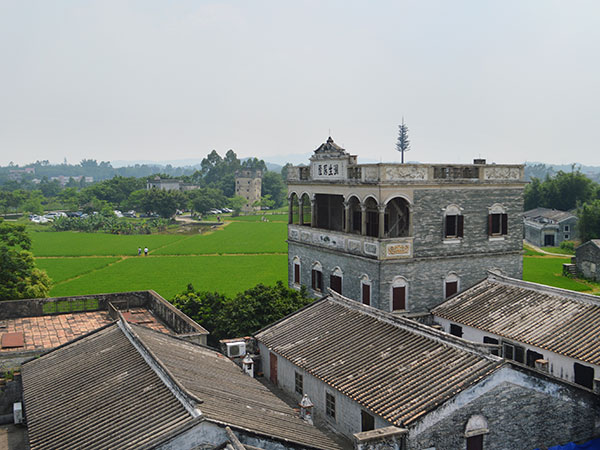
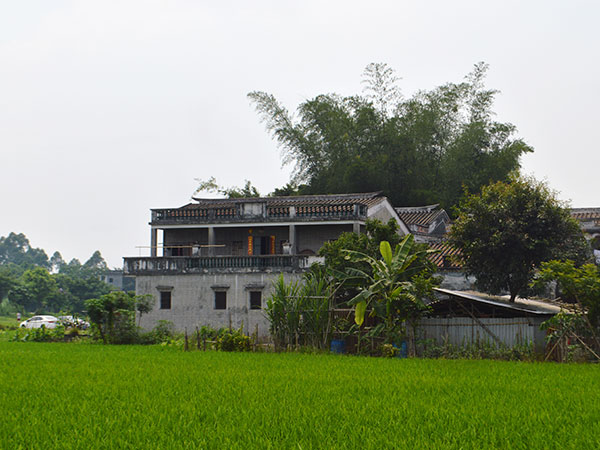
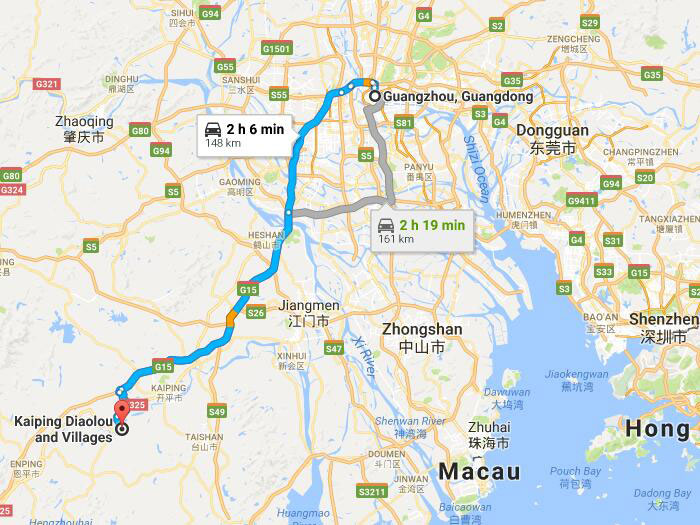
Tangkou County, Jiangmen City, Guangdong Province, China
A world cultural heritage; a unique architecture
Kaiping watchtowers, also called Kai Diaolou, can be seen everywhere in villages and towns of Kaiping city, whic is near to Guangzhou. Kaiping Watchtowers and Villages feature the watchtowers and the mutil-storyed defensive village houses in Kaiping. They reflect a complicated and fantastic combination of Chinese and Western structural and decorative forms. It was added into the World Cultural Heritage List in June, 2007.
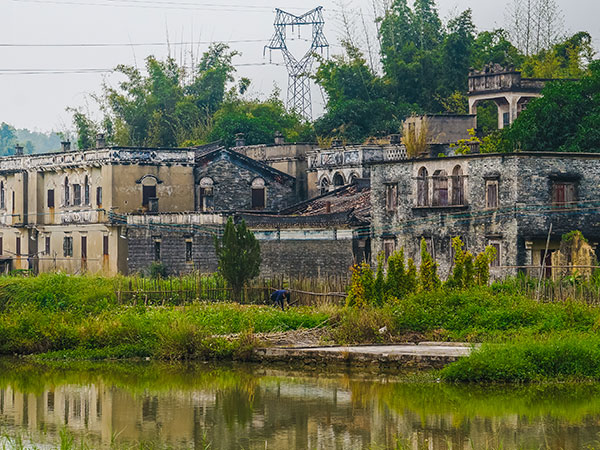
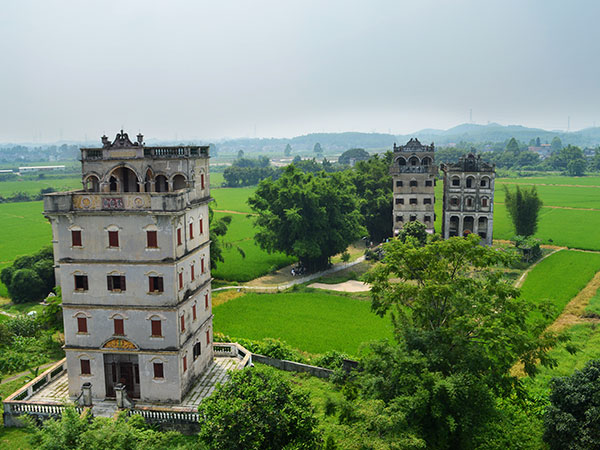
The Kaiping Watchtowers (known locally as Diaolou) and the surrounding villages of Kaiping, located in Jiangmen City in Guangdong Province, are a stunning combination of cultural history and unique architecture. These iconic structures are a symbol of the region’s rich cultural heritage, reflecting the blending of traditional Chinese construction with Western influences. With over 1,800 surviving towers, Kaiping’s Diaolou are a UNESCO World Cultural Heritage site, added to the list in June 2007. The watchtowers stand as a testament to the resilience, creativity, and ingenuity of the local people.
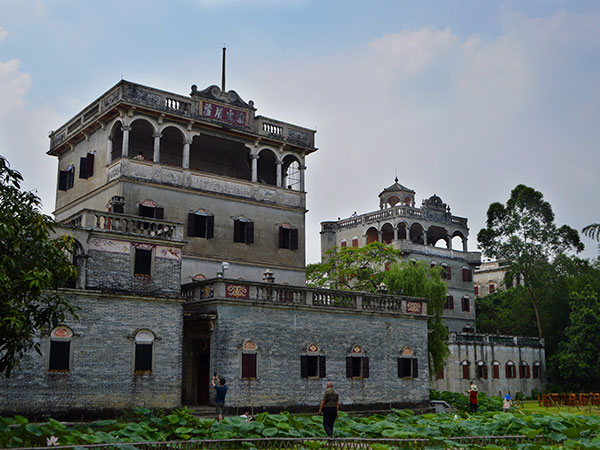
Kaiping’s Diaolou and villages are not only historically significant but also architecturally unique. These towers, which were built for both defense and residential purposes, showcase a fascinating mix of architectural styles, from ancient Chinese building techniques to Western design influences brought by Chinese immigrants returning from overseas.
Kaiping Watchtowers are globally recognized for their cultural significance and architectural diversity. These structures, some over 100 years old, tell the story of the local community's determination to protect themselves from bandit attacks and natural disasters, while also providing a home. The fusion of local and international architectural styles adds to the charm and uniqueness of these sites.
The Diaolou are a rare type of structure that combines Chinese and Western architectural influences. Many of the towers were inspired by the designs of churches, castles, and military fortresses from Europe. The result is a highly functional and aesthetically striking building form that has become a symbol of the Kaiping region’s cultural hybridization.
The Kaiping Watchtowers offer visitors an opportunity to delve deep into the local history of the overseas Chinese, who played a significant role in shaping the region's culture. These towers were often funded by emigrants who returned from places like the United States and Southeast Asia in the 19th and 20th centuries. The Diaolou reflect both the region’s connection to its Chinese heritage and its historical ties to global trade and migration.
Set in the rural landscapes of Guangdong, Kaiping’s Diaolou are surrounded by lush greenery, rice fields, and small traditional villages. The beauty of these surroundings enhances the allure of the watchtowers, making the area a perfect destination for photographers and nature lovers alike.
【Classified by the materials】
There is a wide range of watchtowers in Kaiping. Classified by the materials, they can be divided into four categories: stone watchtowers, rammed earth watchtowers, brick watchtowers and concrete watchtowers.
Stone watchtowers are mainly located in hilly regions. Some walls of the watchtowers were built by regular-processed stones and the others were built by natural stones filled with soil. The number of existing stone watchtowers is 10, accounting for 0.5% of the total number of Kaiping Watchtower.
Rammed earth watchtowers are mainly located in hilly area in Chishui Town and Longsheng Town. The kind of watchtower is called “earth watchtowers” by the local people. Although these watchtowers have gone through decades of wind and rain erosion, they are still very firm. The number of existing Rammed earth watchtowers is 100, accounting for 0.5% of the total number of Kaiping Watchtower.
The bricks used to build brick watchtowers were divided into three types: the red bricks fired in indigenous way in Ming Dynasty, the black bricks fired in Qing dynasty and Republic of China era and the bricks fired in modern time. The red bricks fired in indigenous way in Ming Dynasty are quite rare in Kaiping. The number of existing brick watchtowers is 100, accounting for 0.5% of the total number of Kaiping Watchtower.
Concrete watchtowers were mostly built in1920s and 1930s. They took different characteristics of building design and construction around the world, reflecting the combination of Chinese and Western architectural features. The whole towers were built with cement (usually imported from England, which was called "red mud"), sand, gravel and steel built, which make the watchtowers extremely durable. Since the construction materials relied on importing from the foreign countries, cost was quite high. So in order to save materials, some of the inner surface of the towers floors were made of wood pavilion. The number of existing concrete watchtowers is 1474, accounting for 80.4% of the total number of Kaiping Watchtower.
【Classified by the function】
Kaiping watchtowers can be divided into public watchtowers, dwelling watchtowers and Geng watchtowers.
Public watchtowers was built behind the village and funded by part or all of the villagers. Each household can be own one single room for temporary use to avoid bandits or floods. It is closed and simple, with less defensive exterior decoration but strong defensive. Among the three kinds of watchtowers, public watchtowers were earliest. The number of existing public watchtowers is 473, accounting for about 26% of Kaiping watchtowers.
Dwelling watchtowers were owned by wealthy people. This kind of watchtowers has both defensive and residential functions. These watchtowers are tall, special. There are many living facilities. They often become the symbol of the village for the pursuit of architectural beauty. Dwelling watchtowers have the largest number among Kaiping Watchtowers and Villages. The existing dwelling watchtowers total 1149, accounted for about 62% of Kaiping Watchtowers and Villages.
Geng watchtowers are mainly located on the hills and river banks outside the village. These watchtowers are soaring and have a more open view. They are equipped with searchlights and alarm, which make it easy to find banditry in advance and to send warning to the villagers. Geng watchtowers are the largest building among the three types. The number of existing Geng watchtowers is 221, accounting for about 12% of Kaiping Watchtowers.
►Kaiping Watchtowers can be used to prevent floods.
►Kaiping Watchtowers can be used to defense bandits. Take Geng Watchtowers as an example. They are equipped with searchlights and alarm, which make it easy to find banditry in advance and to send warning to the villagers. This can help to defense the bandits.
►Kaiping Watchtowers can be used to live. Dwelling watchtowers a good example of combining defensive and residential functions. There are perfect living facilities and he house often are beautiful and livable.
The best time to visit the Kaiping Watchtowers is during the spring (April to May) and autumn (September to November). These seasons offer mild temperatures and clear skies, making it ideal for outdoor activities such as exploring the towers and taking photographs. The lush landscapes surrounding the towers, with rice fields and green hills, come alive during these months, providing a picturesque backdrop for visitors.
If you plan to visit in the summer (June to August), be prepared for high temperatures and occasional rainfall. Winter (December to February) is cooler but may be less crowded, offering a more serene experience.
From on request
From $ 364
From $ 569

 English