Your China & Yunnan Travel Experts

 Ask a Question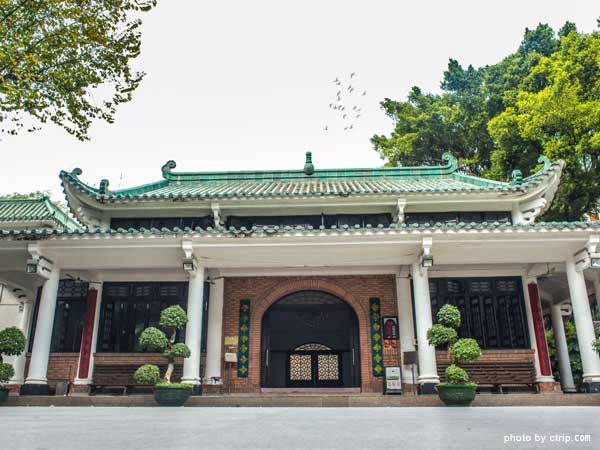
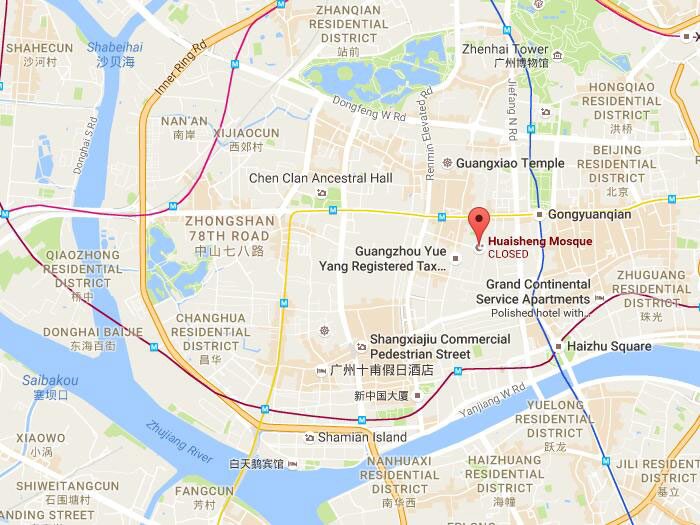
55 Guangta Rd., Yuexiu District, Guangzhou, Guangdong Province, China
One of the Muslim temples in Guangzhou
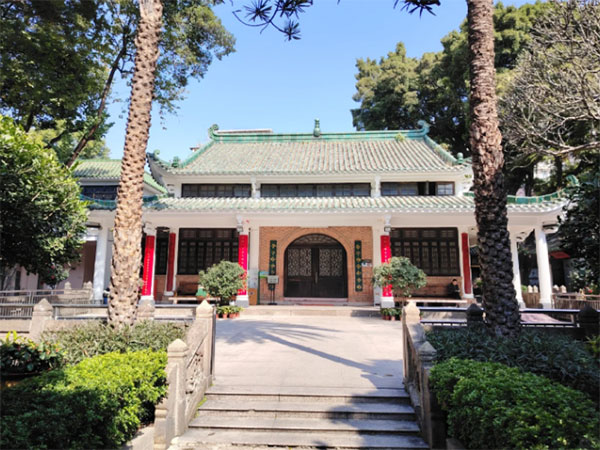
Huaisheng Mosque, also called Shizi Mosque or Guangta Mosque, is one of the four big ancient China Islamic mosques (the other three are Xianhe Mosque in Yangzhou, Qingjing Mosque in Quanzhou and Phoenix Mosque in Hangzhou). It is also the existing China oldest mosque architecture. It is located in Yuexiu District in Guangzhou City, Guangdong.
This mosque was built in the early Tang Dynasty, was one of the earliest mosques built after the afferent Islam in China. To commemorate the founder of the Islam - Mohammed, it was named Huaisheng Mosque. And because of temple has a cylindrical tower with light body, it is also called Guangta Mosque. It was destroyed by fire in AD 1343, and was reconstructed in Ming and Qing dynasties.
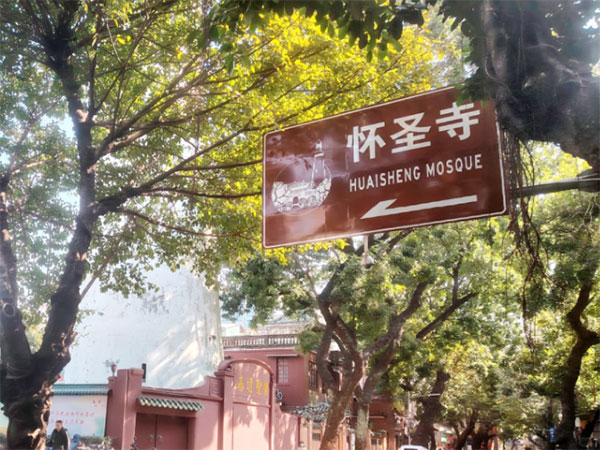
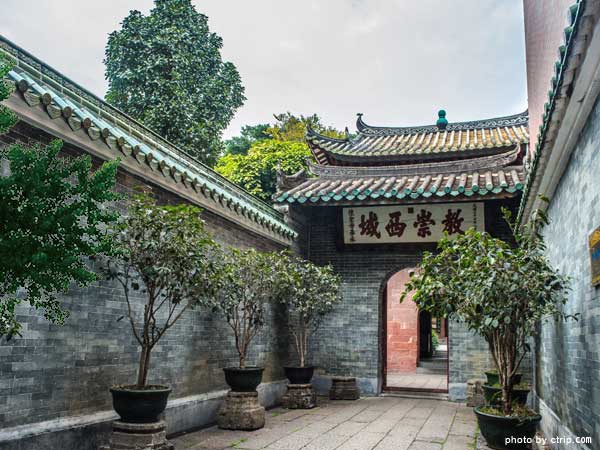
This mosque sits north to south, covering an area of 2966 square meters. The whole mosque has Chinese traditional symmetrical layout. In the principal axis, there are three doors, building for watching the moon, worship house and the depositarry of Buddhist texts. The worship house sits west toward the east; the building's proportion, color, and decoration are west Asia style. The mosque pagoda here is one of the earliest and most unique sites of existing China Islamic architectures.
The origins of Huaisheng Mosque are deeply intertwined with the early spread of Islam in China. Historical records, including the History of the Ming Dynasty and local Guangzhou chronicles, trace its founding to Sa’d ibn Abi Waqqas—a prominent companion of the Prophet Muhammad who is believed to have arrived in Guangzhou (then called Canton, a major port on the Maritime Silk Road) during the reign of Emperor Gaozong of the Tang Dynasty (around 650 AD). Sent as an envoy to promote cultural and religious exchanges, Sa’d ibn Abi Waqqas obtained imperial permission to build the mosque, naming it “Huaisheng” (meaning “Cherishing the Sage”) to honor the Prophet Muhammad.
Over the millennia, the mosque endured numerous challenges. It was damaged by fires in the late Tang and Song dynasties, then reconstructed in the Yuan Dynasty (1271-1368) under the patronage of Muslim officials in the imperial court. Its current architectural layout, however, dates to the Ming Dynasty (1368-1644)—a period when it underwent a major renovation that blended traditional Chinese courtyard-style design with Islamic architectural elements. During the Qing Dynasty (1644-1912), additional repairs were made, including the restoration of the minaret after it was struck by lightning in the 18th century.
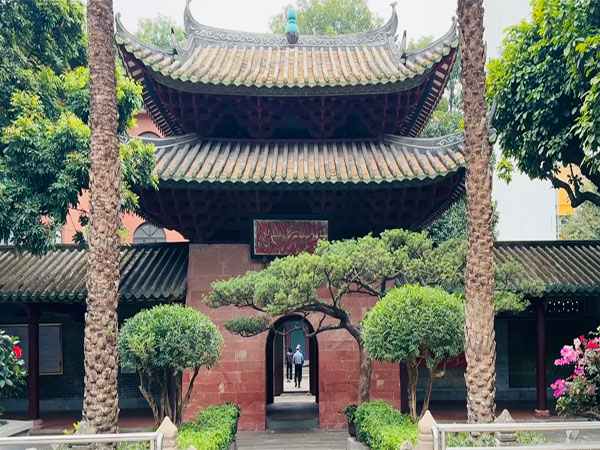
As one of China’s “Four Great Mosques” (alongside the Great Mosque of Xi’an, Zhenjiao Mosque in Hangzhou, and Qingjing Mosque in Quanzhou), Huaisheng Mosque holds exceptional historical significance. It was designated a provincial-level cultural relic protection unit in 1961 and upgraded to a national key cultural relic protection unit in 1988. Beyond its religious role, it serves as a tangible symbol of the long-standing maritime trade and cultural interactions between China and the Arab, Persian, and Southeast Asian worlds. For centuries, it has been a spiritual and communal hub for Guangzhou’s Muslim community—descendants of Arab traders, Persian merchants, and local converts—and remains an active place of worship while welcoming visitors to explore its layered history.
Huaisheng Minaret (Light Tower)
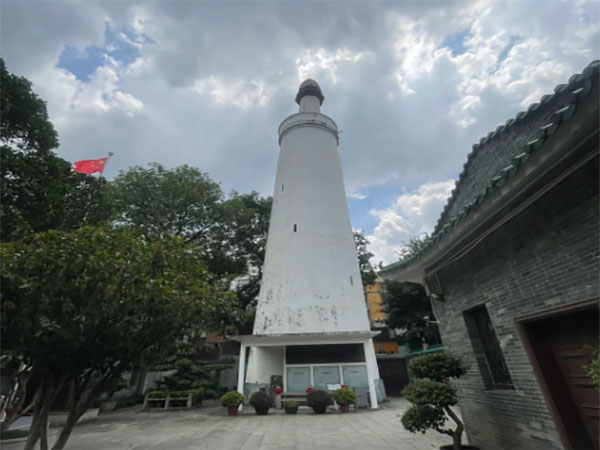
The most iconic structure of the mosque, standing at 36.6 meters tall. Built in a cylindrical shape with a pointed top, it resembles ancient Arab minarets but incorporates Chinese brickwork techniques. Historically, it served as a lighthouse for ships on the Pearl River. Visitors can admire its exterior (entry to the top is not permitted) and learn about its role in guiding sailors and spreading Islamic teachings.
Main Prayer Hall
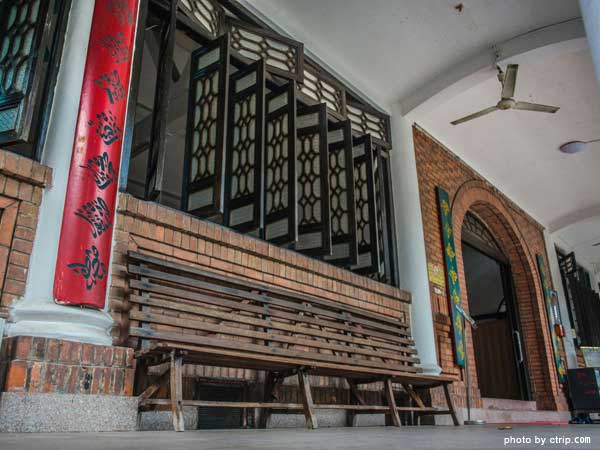
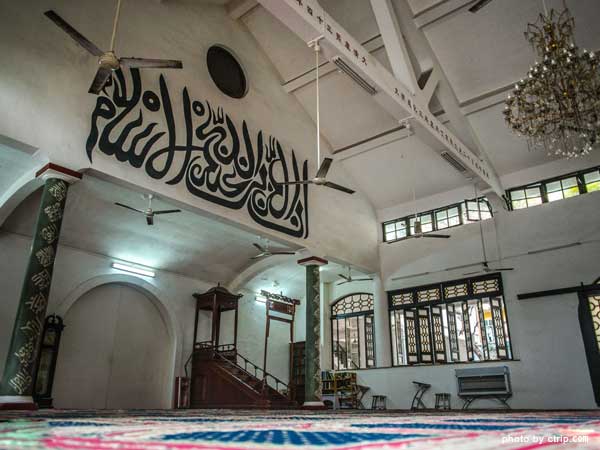
A grand building with traditional Chinese roof ridges and Islamic decorative patterns. The interior is simple and solemn, with prayer mats laid out for worshippers. Calligraphy of Quranic verses adorns the walls, blending Arabic script with Chinese artistic styles. Non-Muslim visitors are welcome to observe from the entrance but should respect the religious customs (e.g., no entry during prayer times).
Ancient Well
Located in the mosque courtyard, this well is said to have been dug during the Tang Dynasty. Its water is believed to be sweet and has been used by worshippers for ablutions for centuries. The well is surrounded by stone railings and a small pavilion, adding to the serene atmosphere of the courtyard.
Garden Courtyard
A peaceful space filled with green plants, ancient trees, and stone pathways. It’s a quiet spot to relax and take in the mosque’s architecture. The courtyard also houses several stone steles with inscriptions recording the mosque’s history and reconstructions, providing valuable insights for history enthusiasts.
From on request
From $ 364
From $ 569

 English