Your China & Yunnan Travel Experts

 Ask a Question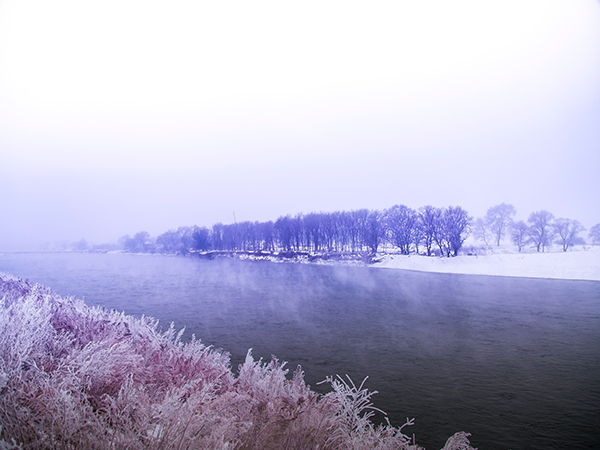
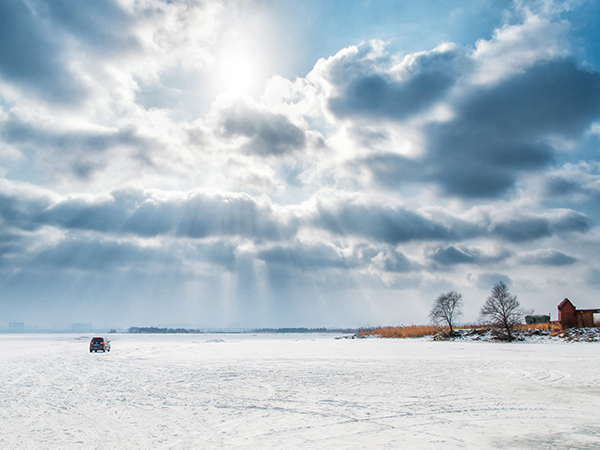
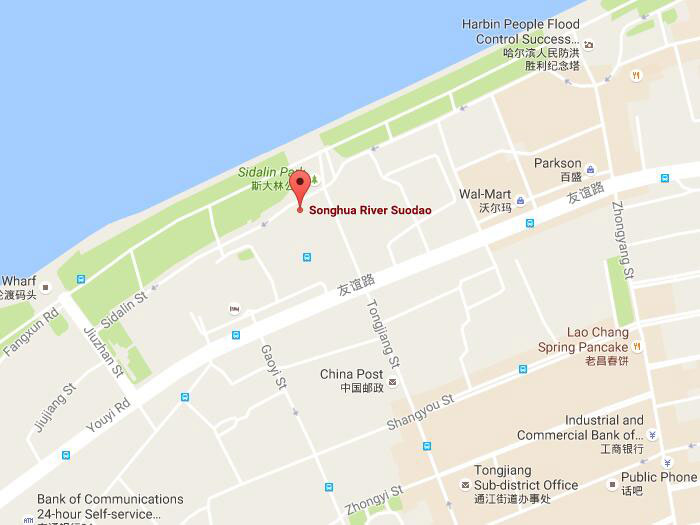
Harbin, Heilongjiang Province, China.
The largest branch of Heilongjiang River.
Songhua River is the biggest branch of Heilong River with a height of 1900 km, flowing about 1,434 kilometers (891 miles) from Changbai Mountains through Jilin and Heilongjiang provinces. The river drains 557,180 square miles (1,443,100 km2) of land, and has an annual discharge of 2,463 cubic meters per second (87,000 cu ft/s).
Water in Songhua River can be regarded coming from the heaven. Songhua River in Chinese means the river in the heaven. This word aims to describe Songhua River as a long river which can bring prosperity to the areas as well as the magnificent scenery along it.
The extreme flatness of the Manchurian Plain has caused the river to meander widely over time. The result of the meandering is that the river is surrounded by a wide plain that is filled with swirls and curves, showing paths the river once took.
1. Seasonal Stars: Activities That Shine by Time of Year
The Songhua River’s charm lies in its seasonal shifts, with each time of year offering one-of-a-kind adventures you won’t find elsewhere.
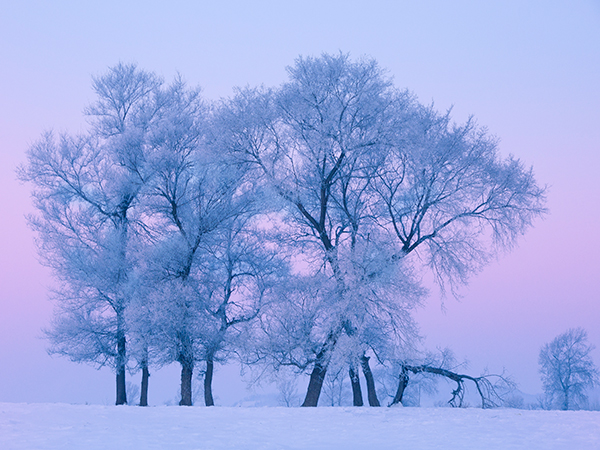
When the river freezes solid (temperatures drop to -20°C to -30°C), it becomes a sprawling ice park for winter enthusiasts.
Ice Skating
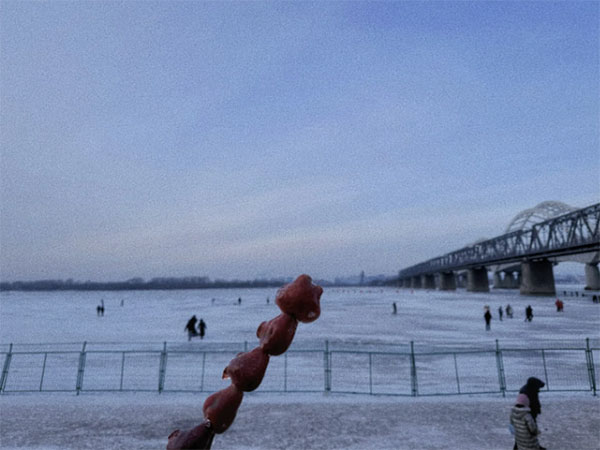
Head to the section near Harbin’s Flood Control Monument—this safe, well-maintained ice surface is perfect for skaters of all levels. Rent skates for ¥30–¥50 per hour, and glide along with the city skyline as your backdrop.
Ice Fishing
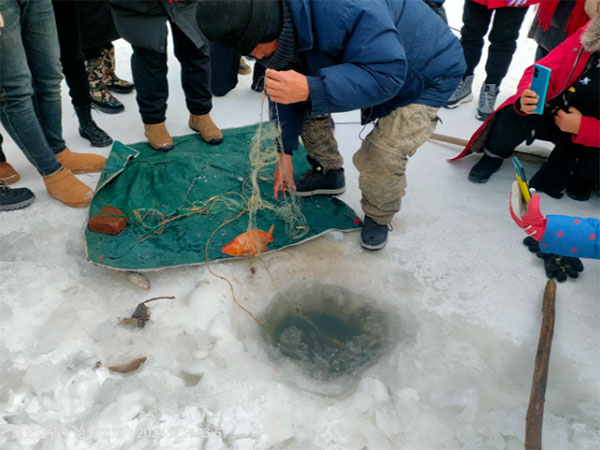
Join local anglers for a traditional winter pastime. Guides will drill holes in the ice and set up gear for you to catch carp, sturgeon, or perch. It’s not just about fishing—it’s about sipping hot tea in a portable tent while waiting for a bite (¥150–¥250 per person for a half-day tour).
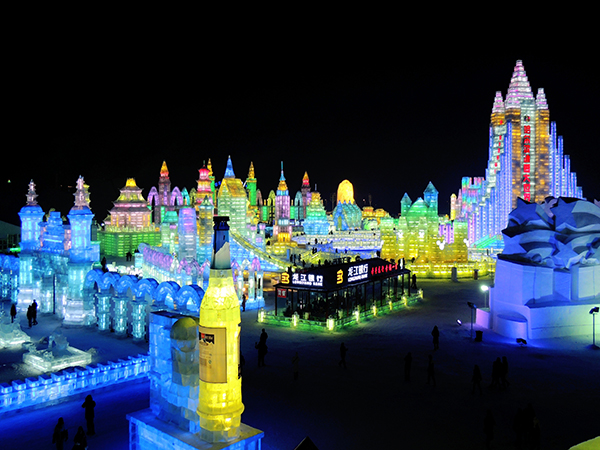
Harbin Ice and Snow World
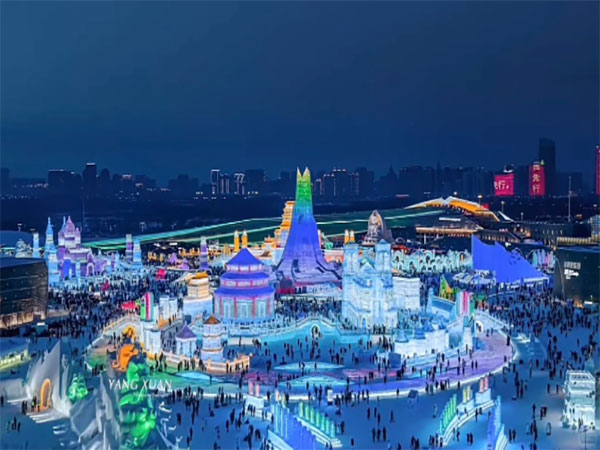
Located on the river’s north bank, this iconic attraction is a must-visit. Marvel at giant ice sculptures carved from Songhua River ice, slide down ice ramps, and enjoy neon light shows after dark. It’s a winter wonderland directly shaped by the river itself (admission: ¥300–¥350 per person).
As the ice melts and temperatures rise to 20°C–30°C, the river turns into a cool retreat for water-based fun.
River Cruises
Depart from Harbin’s Flood Control Monument Pier or Sun Island Pier for a 1–2 hour cruise. Sail past scenic spots like Sun Island, Harbin’s historic buildings, and lush riverside forests. Opt for a sunset cruise to watch the sky turn pink over the water (¥80–¥150 per person).
Pedal Boats and Kayaks
Rent a small watercraft at riverside docks (e.g., Songhua River Beach) for a leisurely paddle. It’s a great way to explore hidden coves or simply float with the current—ideal for families or couples (¥50–¥100 per hour).
Swimming
Stick to designated swimming zones (marked with buoys and lifeguards) near public beaches. The water is refreshing in summer, but always follow safety guidelines—avoid unmarked areas, as currents can be unpredictable.
Even beyond the peak seasons, the Songhua River offers timeless experiences that let you soak in its beauty and local culture.
Riverside Promenade (Harbin)
The stretch between Central Street and the Flood Control Monument is the most vibrant. Walk along the tree-lined path, stop to take photos with the river’s wide expanse, and grab snacks from street vendors—try bing tang hu lu (candied hawthorns) in winter or cold soybean milk in summer. It’s a favorite spot for both locals and tourists to unwind.
Sun Island Exploration
This large island on the river’s north bank is accessible by ferry (¥20 per person) or the Sun Island Bridge. In spring, it’s carpeted with tulips; in autumn, maple and birch trees turn fiery red and gold. In winter, it hosts the Sun Island Snow Sculpture Art Expo, featuring intricate snow carvings. Spend a few hours hiking its trails or picnicking by the water.
Riverfront Parks
For a quieter experience, visit parks like Jiamusi Songhua River Waterfront Park (in Jiamusi City) or Harbin’s Songhua River Cultural Park. These spots offer open lawns, scenic overlooks, and cultural statues—perfect for morning jogs, evening walks, or family picnics.
The Songhua River plays host to several vibrant annual celebrations that showcase local culture, seasonal beauty, and community spirit. These events draw visitors from across China and beyond, offering a chance to immerse yourself in Northeast Chinese traditions.
Harbin International Ice and Snow World Festival
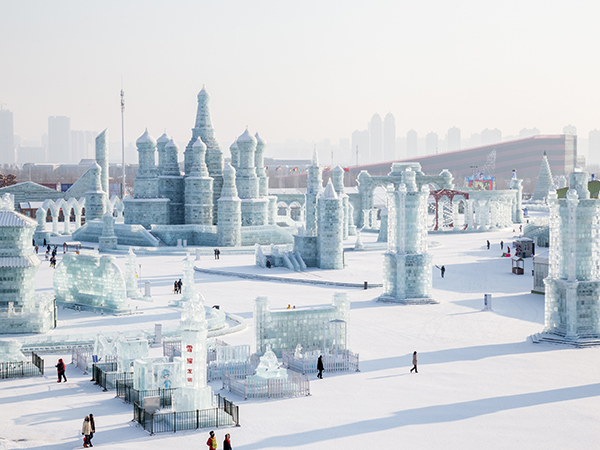
Held annually from late December to early February this world-famous festival centers around the frozen Songhua River. It officially kicks off on January 5th with a grand opening ceremony featuring ice lantern parades, performances, and the lighting of giant ice sculptures. The festival uses thousands of tons of ice harvested directly from the Songhua River to create intricate sculptures, ice palaces, and interactive ice slides. It’s not just a visual feast—there are also ice hockey games, snowboarding competitions, and evening concerts held on the ice, making it the highlight of Harbin’s winter calendar.
Songhua River Summer Cultural Festival
Taking place in July and August this festival celebrates the river’s summer charm with a variety of outdoor activities. Along the Harbin riverside promenade you’ll find live music performances, folk dance shows, and local handicraft markets. Food stalls line the banks offering Northeast China’s classic snacks like mahua (fried dough twists) and grilled fish from the Songhua River. There are also family-friendly events such as kite-flying contests, boat races, and water sports demonstrations, making it a lively time to enjoy the river’s cool breezes.
Sun Island Autumn Maple Festival
Held in late September to early October when the leaves on Sun Island (in the middle of the Songhua River) turn brilliant shades of red and gold this festival celebrates autumn’s beauty. Visitors can take part in maple leaf viewing tours, photography competitions, and traditional folk art exhibitions. Local artists often set up their easels along the riverbanks to paint the stunning autumn scenery, and there are also food fairs featuring seasonal treats like sugar-fried chestnuts and persimmon cakes. It’s a serene and colorful celebration that perfectly captures the Songhua River’s autumn vibe.
【Chinese name】: 松花江
【Best time to visit】: December to next February, when is winter in Harbin. A lot of winter activities are available during the time period.
【How to get there】: You can see Songhua River near downtown Harbin. You may walk from the Central Street. Or taking Public Bus 101, 103, 13, 21, 204, 7, 64, 107, 108, 109, etc. to get to the river side.
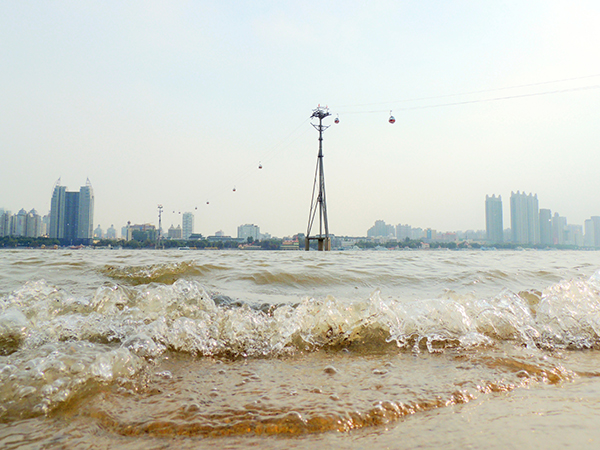
Other tips: There is a cable way crossing the river. It connects Tongjiang Square in Daoli District at the southern bank of the river with Sun Island Park at the northern bank. You may have a 360-degree overlooking view of the river and the view on the both sides. You may also take the bock from Shunhang Dock to get the Sun Island Park at the northern bank.
From on request
From on request

 English