Your China & Yunnan Travel Experts

 Ask a Question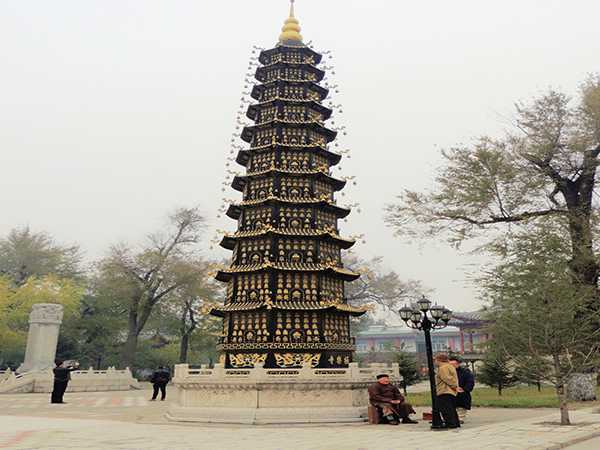
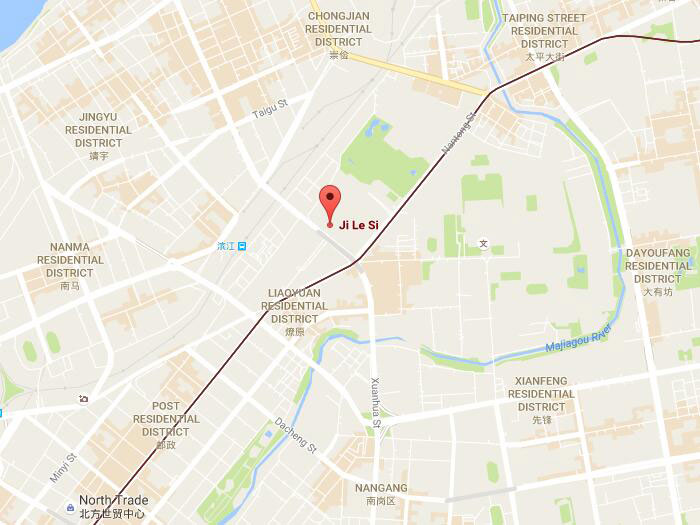
No.5, East Dazhi Street, Nangang District, Harbin, Heilongjiang Province, China.
One of the top 4 temples in northeast of China.
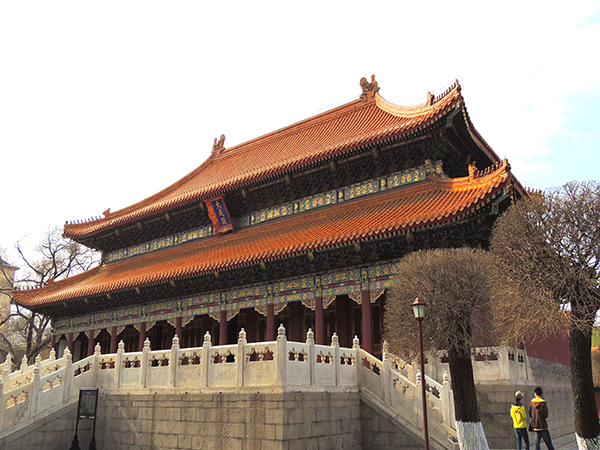
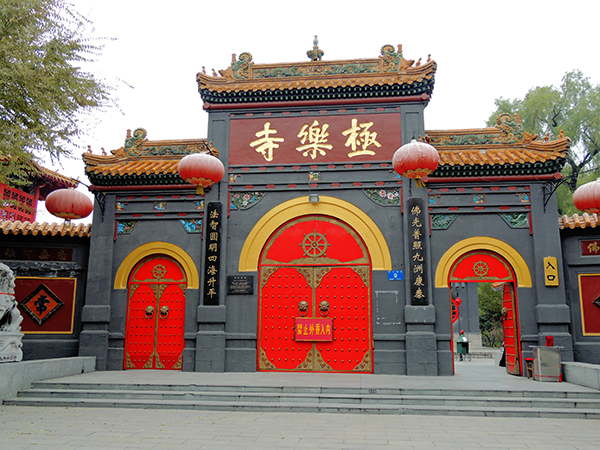
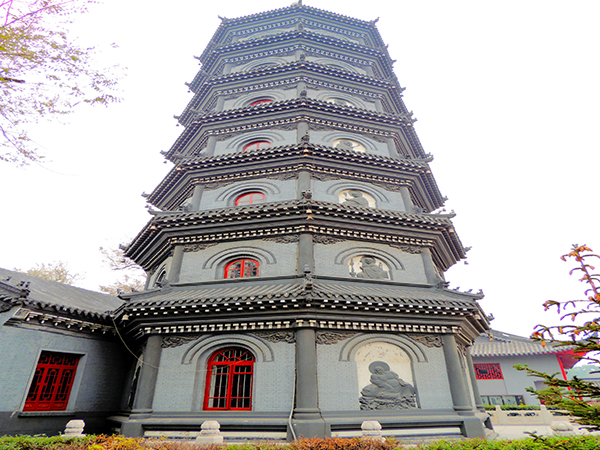
Jile Temple, located at No. 1 Dongda Street, Nangang District, Harbin, is the earliest and most influential Buddhist temple in Heilongjiang Province, and one of the key temples in Han Chinese areas nationwide. Construction began in 1921, sponsored by General Zhu Ziqiao and others, and founded by Master Tanxu. It was officially completed in 1924, and the Harbin Buddhist Academy, which trains Buddhist talent, was also established there. The temple covers an area of 57,000 square meters and is built in a classical Chinese style. It is divided into a main courtyard, east and west courtyards, and a seven-tiered pagoda area. Core buildings include the Hall of Heavenly Kings, the Great Buddha Hall, and the Sutra Repository. The 29.7-meter-high seven-tiered pagoda is connected to the main halls, creating a unique layout. Today, it is also the location of the provincial and municipal Buddhist associations.
I. Construction and Establishment (1921-1924)
In the early 1920s, to meet the needs of Buddhist activities in the Harbin area, Zhu Ziqiao, Commander-in-Chief of the Chinese Eastern Railway Guard, Chen Feiqing, Director of the Harbin Railway Bureau Inspection Bureau, and others jointly funded the construction of the temple, inviting Master Tanxu, the 44th patriarch of the Tiantai School, to preside over the project. Construction of Jile Temple officially began in the spring of 1923. After more than a year of construction, the main buildings were completed in August 1924. In the same year, Master Tanxu simultaneously founded the Harbin Buddhist Academy within the temple grounds, training professional personnel for the Northeast Buddhist community and laying the foundation for the temple's role in regional Buddhist education.
II. Establishment and Development of its Status (Post-Construction - Modern Era)
After its completion, Jile Temple, with its well-organized temple structure, profound Buddhist heritage, and professional system for training monks, quickly became a core site for Buddhist activities in Heilongjiang Province, gradually developing into one of the "Four Major Buddhist Temples in Northeast China," with influence covering the entire Northeast region. Over time, its cultural and religious value became even more prominent. In 1983, it was officially listed by the State Council as a "Key Temple in Han Chinese Areas Nationwide," establishing its important position in the national Buddhist community at the national level and garnering greater attention and support for the temple's protection and development.
III. Contemporary Role and Heritage (Recent Years to Present)
In contemporary times, Jile Temple has maintained its core function as a religious site, serving as an important space for Buddhists in Harbin and surrounding areas to conduct chanting, prayer, and other activities. Simultaneously, it also undertakes the responsibility of regional Buddhist management and cultural exchange, serving as the location of the Heilongjiang Provincial Buddhist Association and the Harbin Municipal Buddhist Association, continuously promoting the inheritance and research of Buddhist culture within the province. Furthermore, while properly protecting historical buildings and cultural relics such as Song Dynasty printed Buddhist scriptures, the temple is open to the public in an orderly manner, becoming an important window showcasing Harbin's religious culture and historical heritage, allowing more people to understand the connection between Buddhist culture and local history.
When visiting Harbin Jile Temple, you can center your experience around three core themes: "feeling culture, praying peacefully, and visiting landmarks". Here are the key things you can do:
1. Bus
You can take Bus No. 89 or 117 and get off at the terminal stop - Jile Temple Station.
You can also take Bus No. 3, 6, 14, 33, 37, 53, 55, 66, 74, 92, 104 or 105, get off at Harbin Engineering University Station, and walk for about 4 minutes to reach the temple.
Additionally, you can choose from many other bus routes such as No. 10, 85, 108, 111, 114 and 116. Get off at the corresponding stop and walk to the destination.
2. Subway
Take Subway Line 1 and get off at Engineering University Station. It takes about 4 minutes to walk to the temple.
Besides, take Subway Line 2, get off at Daowai District Station, and walk for approximately 15 minutes to arrive.
3. Taxi / Ride-hailing Service
Taking a taxi or ride-hailing service from downtown Harbin to Jile Temple costs about 25 yuan for a one-way trip. The specific fare varies depending on the departure location and traffic conditions.
4. Self-driving
There are plenty of parking spaces around Jile Temple, making self-driving a convenient option. You can enter "Jile Temple" into a navigation app and follow the navigation instructions to drive there.
【Chinese name】: 极乐寺
【Best time to visit Harbin】: July to September, December to next February, the two periods are the best time to visit Harbin.

From on request

From on request

 English