Sanjiag Plain constitute by Heilongjiang, Songhua River and the Ussuri River, Three River Plain Wetland belongs to low alluvial plain swamp wetland, interweaves according to the ups and downs terrain, constitute a rich and colorful wetland landscape, is the typical representative of the northern marshes, is also one of the world’s rare light marshes. The wetland rewarded the third of “China’s most beautiful six wetlands” in the activity of “beauty China” by Chinese National Geography magazine.
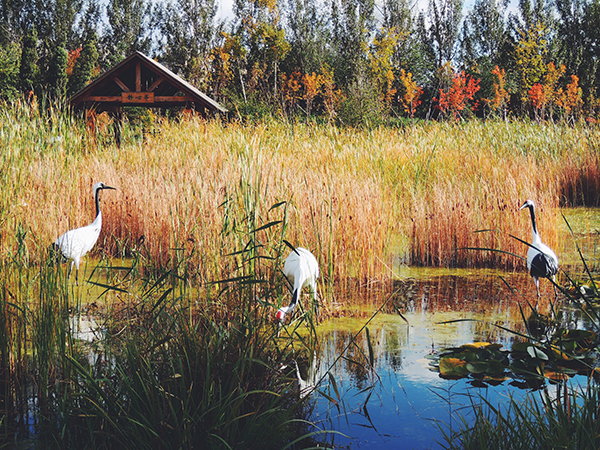
Sanjiang Plain Wetland biodiversity is extremely rich, with a total of nearly 291 kinds of vertebrates, nearly 500 species of higher plants, is a natural treasure. Marsh wetland spread bubble around, rivers and natural vegetation is given priority to with paludification meadows, and the island forest distribute among the wetland, maintained the original natural state. In the Sanjiang wetland reserve, geese and ducks and Yuanyang flock are frolicking in the sea; Red-crowned cranes, golden eagles, fighting against the sky; Red deer, roe deer running on the grass for food;, large lobules added vigor and vitality for the wetland.
Sanjiang Plain Wetland has six national wetland nature reserves; three of them are on the list of international important wetland to protect the endangered waterfowl red-crowned cranes and swans. Sanjing Plain Wetland used to be deserted area, now it is a national important commodity grain base. It used to have 5.13 square kilometers of marsh wetland area, natural marsh wetland area is now only 1.347 square kilometers, but also continues to shrink.
Sanjiang nature reserve, located in interchange between Heilongjiang and Ussuri River, is the ecosystem which is less interfere by human in the eastern end of the Sanjiang Plain, is the world's rare freshwater marshes. Reserve has more than 50 rivers, 26 central islands; swampiest meadows and the island-like distribution of the forest keep here with the original natural state. The special natural environment, and good vegetation, hydrology condition provides a natural paradise for wild animals. When summer comes, pink, white, red lotus will bloom in Wetland Lake, continuous for more than ten miles. In the lotus pond with patches of green grass is rustling in the wind, attracting rare oriental white stork, red-crowned cranes, the Chinese merganser to make home here. There are often geese and ducks, mandarin duck playing in the water.
Best Time to Visit
The wetland’s scenery and wildlife vary dramatically by season—choose your timing based on your interests
- May–June: Bird-Watching Paradise – This is the peak migratory season for birds. Tens of thousands of migratory birds, including endangered species like the Red-crowned Crane (Grus japonensis) and Oriental Stork (Ciconia boyciana), stop here to breed and rest. The wetland bursts with fresh green vegetation, and the air is filled with birdcalls.
- July–August: Lush Summer Green – The wetland is covered in dense reeds and water plants, creating a vibrant green landscape. However, this is also the rainy season, with frequent showers and high humidity. Mosquitoes and horseflies are abundant, so heavy bug protection is essential.
- September–October: Golden Autumn Splendor – A favorite among photographers! The reeds, grasses, and surrounding forests turn golden, orange, and crimson, painting the wetland in a riot of autumn hues. The weather is cool and dry, with fewer mosquitoes, making it ideal for hiking and sightseeing.
- November–April: Frozen Winter Wonderland – The wetland freezes solid, with temperatures dropping to -20°C to -30°C (-4°F to -22°F). Most reserves are partially closed, but it offers a unique icy landscape for adventurous travelers. Note: Extreme cold requires professional cold-weather gear.
How to Get There
The wetland is remote, so plan your transportation in advance. The main gateway is Jiamusi City, which has an airport and railway connections.
By Air
Fly to Jiamusi Dongjiao Airport (JMU), which has direct flights from Beijing, Shanghai, Guangzhou, Harbin, and other major Chinese cities. From the airport, take a taxi to Jiamusi Railway Station or Bus Terminal (about 30 minutes, ¥50–¥80). Then transfer to a long-distance bus or private car to the wetland reserves.
By Train
Take a high-speed train to Jiamusi Railway Station (from Harbin: 2.5–3 hours, ¥150–¥200; from Beijing: 8–10 hours, ¥400–¥600). From the station, walk 10 minutes to Jiamusi Long-Distance Bus Station to catch buses to towns near the wetlands (e.g., Tongjiang City, Fujin City).
To the Wetland Reserves
- Sanjiang National Nature Reserve: From Jiamusi, take a bus to Tongjiang City (2.5 hours, ¥40–¥60), then transfer to a local minibus or taxi to the reserve entrance (40 minutes, ¥50–¥80).
- Honghe National Nature Reserve: From Jiamusi, take a bus to Fujin City (2 hours, ¥30–¥50), then hire a taxi to the reserve (30 minutes, ¥40–¥60).
- Private Car/Tour Group: The most convenient option, especially for visiting multiple reserves. Book a private car with a driver in Jiamusi (¥300–¥500/day) or join a wetland-specific tour group (includes transportation, guide, and tickets) from Harbin or Jiamusi.
Attention
Suggest that individuals making visit to various attractions should pay attention to safety, there may be a beast. Floating carex marsh of wetlands in Sanjiang has peat accumulation, because the water is deeper, upper peat or grassroots are floating, in the formation of “floating felt”, people called this kind of swamp “floating raft stone”, “big Jar”. When enter into the swamp like this you will see, far away the ground rises slowly, and the foot ground is slowly falling, if you meet with any floating mat layer is thinner, you will run the risk of falls into, take extra care.
Essential Travel Tips
Packing List
- Clothing: Layered clothing for temperature changes (mornings/evenings are cold, even in summer). High-top waterproof hiking shoes (to avoid mud). A windproof jacket (autumn/winter). Warm gloves, hat, and thermal underwear (winter).
- Protection: Strong insect repellent (DEET-based, essential in summer). Sunscreen (SPF 50+), sunglasses, and a hat (spring/autumn). Lip balm and moisturizer (dry climate).
- Tools: Binoculars (8x–10x magnification for bird-watching). A portable charger (weak signal in remote areas). A reusable water bottle and snacks (few support point in reserves).

 Ask a Question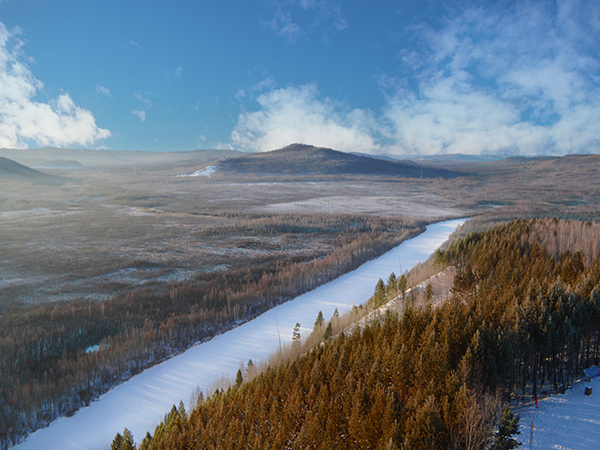

 English