Your China & Yunnan Travel Experts

 Ask a Question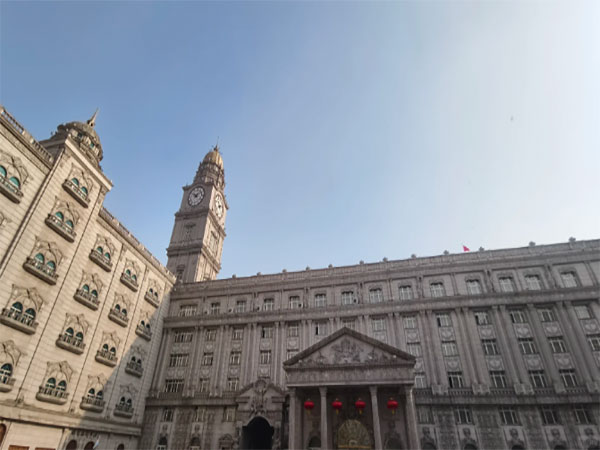
No. 326, Nanzhi Road, Daowai District, Harbin City, Heilongjiang Province
A must-visit for art enthusiasts and history buffs looking to experience Harbin's creative heritage and its pharmaceutical evolution.
The museum is dedicated to celebrating the artistic heritage of printmaking in Harbin and its intersection with the pharmaceutical industry. Founded in 2006, the museum is housed in the historic Harbin Pharmaceutical No. 6 Factory, one of the most prominent pharmaceutical manufacturing companies in the region. The museum serves as a preservation of the legacy of this once-thriving company and its role in Harbin's industrial growth.
In addition to showcasing historical pharmaceutical artifacts, the museum is renowned for its extensive collection of traditional Chinese printmaking art, with works from renowned local and international artists. The juxtaposition of art and industry makes this museum a hidden gem for visitors to Harbin.
The Harbin Pharmaceutical No. 6 Printmaking Museum is a unique cultural institution that seamlessly blends Harbin’s artistic and industrial heritage. The museum is housed in the former Harbin Pharmaceutical No. 6 Factory, established in the early 20th century during the period of Russian influence in Harbin. This factory was an important part of the city’s industrial landscape, playing a crucial role in the pharmaceutical sector by producing medicinal products for both local and regional use. The factory’s long history is tied to Harbin’s development as a key industrial hub in northeast China, particularly in the field of pharmaceuticals.
While the factory was focused on production, it also played a significant role in the cultural life of Harbin. It utilized printmaking techniques to produce advertisements, public health materials, and educational pamphlets. This innovative use of print media in the pharmaceutical industry laid the foundation for the museum's unique focus, blending industrial history with art. The factory’s close relationship with the art of printmaking is a central theme of the museum, which showcases works that reflect both artistic evolution and the growth of the pharmaceutical industry.
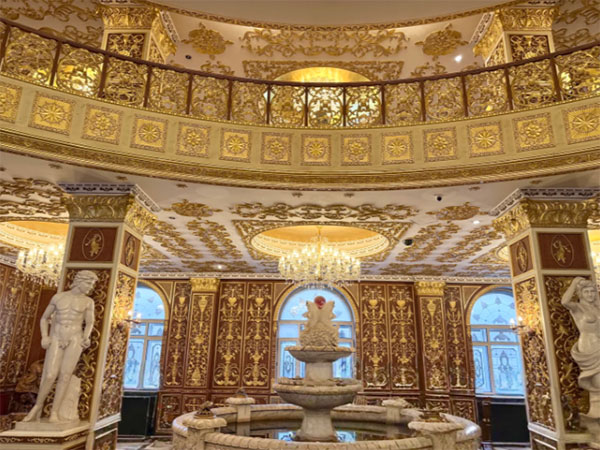
In 2006, the Harbin Pharmaceutical No. 6 Printmaking Museum was established to preserve this dual heritage. The museum occupies the very building where the pharmaceutical factory once operated. It not only serves as a repository for historical pharmaceutical artifacts but also holds an impressive collection of traditional and modern printmaking art. The museum’s exhibits span various periods, from early 20th-century woodblock prints to contemporary pieces that reflect both the social changes and industrial development in Harbin. Visitors can explore the intricate connection between art and industry, where printmaking was used for both artistic expression and industrial promotion.
Today, the museum stands as a testament to Harbin’s artistic and industrial history. It continues to offer visitors a fascinating look at how art and commerce intertwined in the early days of Harbin’s industrialization. With its focus on printmaking and pharmaceutical history, the museum preserves the legacy of the city’s artistic heritage and serves as an important cultural landmark in the region. Whether you’re an art lover, a history enthusiast, or simply curious about Harbin’s past, the museum offers a rich and educational experience that highlights the city’s unique blend of creativity and industry.
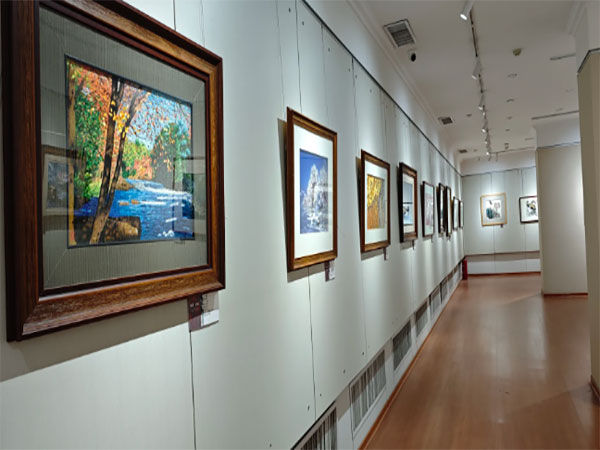
The museum’s printmaking collection is the star attraction. Visitors will be able to explore a series of traditional and contemporary Chinese prints, with works from both local artists and international names. The exhibitions range from woodblock prints to etchings and lithographs, many of which are inspired by themes of nature, society, and the human experience.
The gallery also explores Harbin’s artistic heritage, showcasing the works of the region’s earliest print artists, some of whom worked in collaboration with local pharmaceutical factories to create educational material or advertisements in the form of prints.
In this section, you’ll find a treasure trove of historical pharmaceutical artifacts that highlight Harbin’s important role in China’s medical history. The museum’s collection includes old drug packaging, tools used in early pharmaceutical manufacturing, and rare photographs that show the development of the pharmaceutical industry in Harbin, especially during the early 20th century.
The section also dives into the intersection between art and medicine, illustrating how printmaking was used to create instructional materials for the pharmaceutical industry and promote health awareness.
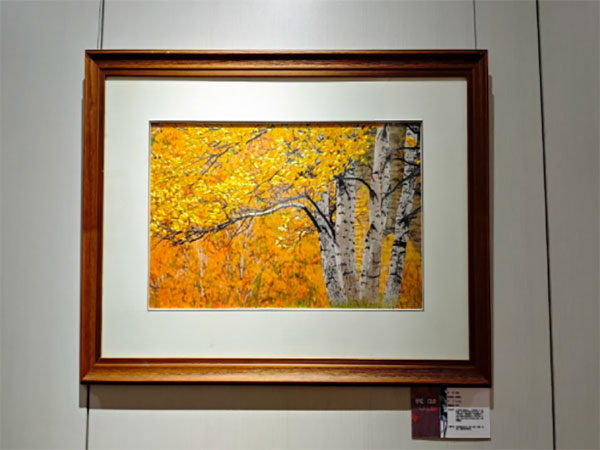
Throughout the year, the museum hosts rotating exhibitions that feature modern printmakers or focus on specific themes, such as medical art, social issues, or environmental awareness. Be sure to check the museum’s website or inquire at the entrance about any temporary exhibitions that may coincide with your visit.
For visitors with an interest in learning more about printmaking techniques, the museum features an interactive section where you can try your hand at printmaking. The museum sometimes organizes workshops led by professional print artists. These sessions are perfect for those looking to engage more deeply with the art form.
The Harbin Pharmaceutical No. 6 Printmaking Museum is centrally located in Harbin’s Daoli District, making it easy to access from major hotels and transportation hubs in the city.
By Metro: The museum is located near the Zhongyang Street Metro Station (Central Street) on Line 1, just a short walk from the station.
By Taxi: A taxi ride from Harbin Railway Station or Harbin Taiping International Airport will take approximately 20-30 minutes, depending on traffic.
By Bus: Local buses frequently stop near the museum. Look for routes going to the Daoli District.
The museum is open year-round, but the best time to visit depends on the kind of experience you want
Winter (December to February): Harbin is famous for its winter wonderland, with the world-renowned Harbin Ice and Snow Festival taking place. Visiting the museum in winter allows you to pair your art appreciation with a stroll through the snowy streets of Harbin, making for a truly magical experience. Just be sure to bundle up, as the temperatures can drop well below freezing.
Spring and Autumn (March to May, September to November): The weather is mild during these seasons, and the museum is less crowded compared to the winter months. This makes it an ideal time to explore the exhibits at a leisurely pace.
Summer (June to August): While summer in Harbin is warm, the museum remains a cool retreat from the heat, offering a peaceful escape with its air-conditioned spaces.
Most visitors spend around one to two hours exploring the museum’s exhibits. However, if you’re a printmaking enthusiast or a history buff, you may want to spend a bit longer.
While the museum has excellent signage in both Chinese and English, a guided tour can enrich your experience. Local guides are available in English and Chinese and can provide deeper insights into the significance of the artworks and artifacts.
The museum is generally open to photography, but it’s always a good idea to ask before taking photos, especially in temporary exhibitions where restrictions may apply.
Don’t forget to visit the museum’s small gift shop before you leave. It offers a selection of locally made prints, souvenirs, and books related to Harbin’s art and history.
Central Street (Zhongyang Street)
A historical pedestrian street lined with Russian-style architecture, cafes, and shops.
A beautiful Byzantine-style church and a symbol of Harbin’s Russian influence.
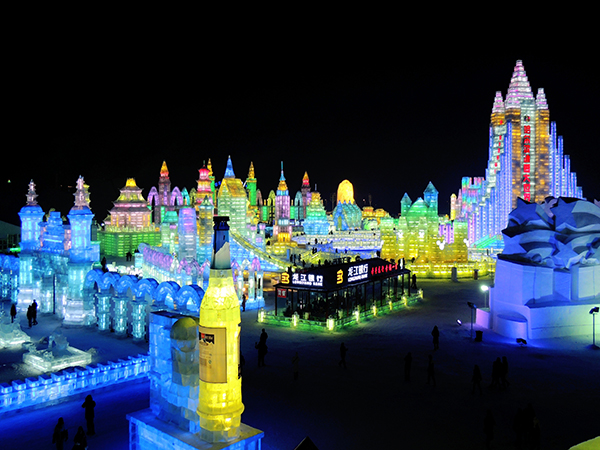
If you’re visiting in winter, the world-famous ice and snow sculptures are a must-see.

From on request

From on request

 English