Your China & Yunnan Travel Experts

 Ask a Question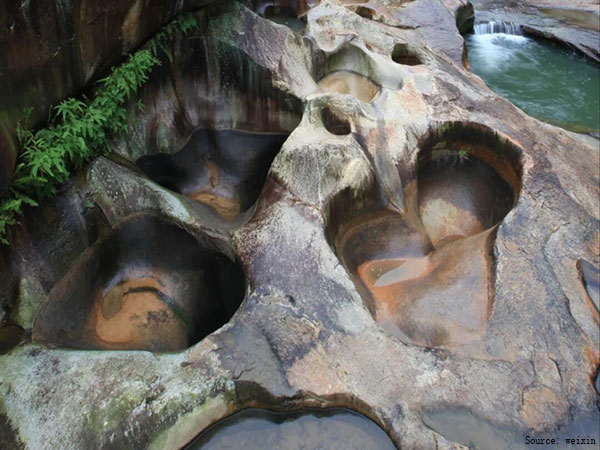
Junliao Village, Zhangxi Town, Raoping County, Chaozhou, Guangdong Province, China
remarkable geological and natural attractions
Qinglan Glacier Geopark, or Qinglan Guaijiu Valley National Geopark (青岚怪臼谷国家地质公园, Qinglan Guaijiu Guojia Dizhi Gongyuan) is one of the most remarkable geological and natural attractions in eastern Guangdong Province. Located in Junliao Village, Zhangxi Town, Raoping County, Chaozhou, this geopark preserves a unique combination of geological relics, rare rock formations, waterfalls, and natural scenery, making it a must-visit destination for nature lovers, geology enthusiasts, and travelers seeking an immersive outdoor experience.
Spanning over a diverse terrain shaped by volcanic and glacial activities millions of years ago, Qinglan Guaijiu Valley offers visitors an extraordinary glimpse into Earth’s ancient processes. From “ice potholes” formed during the Quaternary glacial period to towering rock formations and cascading waterfalls, the park is a spectacular showcase of nature’s power and artistry.
Location: Junliao Village, Zhangxi Town, Raoping County, Chaozhou, Guangdong Province, China
Opening Hours: 08:00–18:00 (Last entry at 17:30)
Entrance Fee: 90 CNY (adults), 50 CNY (students/seniors, subject to local policy)
How to Get There: Approximately 41 km from Chaozhou city center. Public transport is limited, so private car or chartered transport is recommended.
About 200 million years ago, the Qinglan area was submerged under a vast ocean. Multiple volcanic eruptions and tectonic movements gradually uplifted the seabed, forming a composite landform dominated by volcanic rocks and granite. During the Quaternary glacial period approximately 3 million years ago, glacial meltwater carved and polished the rocks, creating the park’s most iconic features: the “ice potholes” or bingjiu. These naturally formed depressions, combined with caves and unusual stones, give the valley its name and its legendary charm.
The park’s geological history has created a natural open-air museum, where visitors can witness the results of volcanic activity, tectonic shifts, erosion, and glacial polishing—all preserved across millions of years.
Ice Potholes: Jiu Luo Danjiu and Xiantaojiu
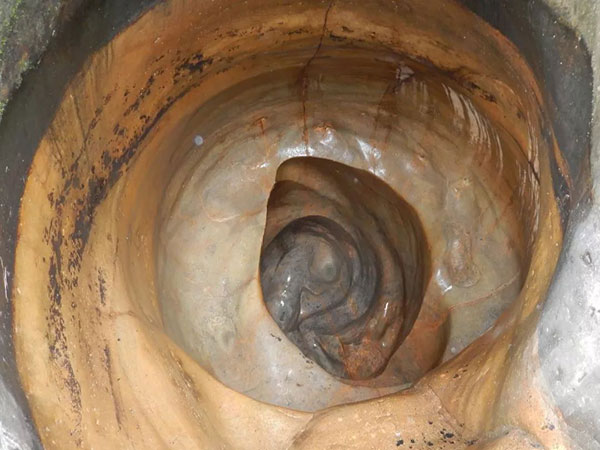
The ice potholes are perhaps the most famous features of the geopark. Scattered along riverbeds, cliffs, and caves, more than 3,000 potholes of varying sizes create a mesmerizing landscape.
Jiu Luo Danjiu: Known as the “King of Ice Potholes,” this enormous formation features nine spiraling rings and a depth of up to eight meters. Its shape resembles a giant conch embedded in the rock, a testament to the incredible forces of glacial erosion.
Xiantaojiu: Literally “Immortal Peach Pothole,” this formation resembles a plump peach and is steeped in local legend, said to be a peach accidentally dropped by the Queen Mother of the West in her heavenly orchard.
Dìhé Cave (Underground River Cave)
The Dihe Cave is a mysterious underground river system where water flows year-round, never drying up. Within the cave, potholes, caves, and granite formations merge seamlessly, offering a rare sight in China. The underground river adds an element of mystery and wonder to the valley.
Stone Forest and Dinosaur Valley
Millions of years of erosion have sculpted Stone Forest and Dinosaur Valley, producing a remarkable array of stone formations resembling animals, dinosaurs, and other fantastical shapes. Visitors often describe this area as a “museum of natural sculptures,” where each rock seems to tell its own story.
Diaquan Waterfall
Diaquan Waterfall is the largest waterfall cluster in Qinglan Guaijiu Valley. Cascading over multiple levels, the falls create a misty spectacle often accompanied by rainbows in the morning sun. The nearby Shuiyun Tea Terrace integrates the waterfall with a tea house, offering a serene spot to enjoy local teas while listening to the soothing sound of flowing water.
Volcano Pool Waterfalls
The Volcano Pool Waterfalls are formed in depressions created by ancient volcanic eruptions. Streams and rivers flowing through these volcanic depressions form a series of picturesque waterfalls, providing a stunning contrast to the surrounding granite cliffs.
Linked Potholes and Wind Stone
The Linked Potholes are a series of interconnected ice potholes, forming a chain-like arrangement. Nearby, the Wind Stone is a giant rock balanced on a cliff. It can be rocked slightly without toppling, demonstrating the park’s geological marvels and the delicate balance of nature.
Sky Terrace and “One-Line Sky”
The Sky Terrace offers panoramic views of the valley from a cliff edge, while the One-Line Sky narrow gorge requires navigating a stone passage as narrow as 0.5 meters at its tightest point. The unique formation makes for an adventurous and exhilarating walk.
Blossom Lake
Blossom Lake is a floral wetland in the park, featuring over 150 species of perennial flowers. Wooden walkways and small bridges allow visitors to stroll through the colorful landscape, reminiscent of southern China’s Jiangnan scenery.
Qinglan Geological Museum
The Qinglan Geological Museum spans 2,800 square meters and includes six exhibition halls covering Earth sciences, minerals, and local geology. Modern technology and rare specimens bring the park’s geological history to life, offering immersive educational experiences for visitors of all ages.
Earth Gifts – Souvenir and Cultural Pavilion
The Earth Gifts Pavilion displays local minerals, rare stones, and park-themed creative products. Visitors can purchase unique souvenirs representing Qinglan’s natural and cultural heritage, making it an ideal stop for gifts and keepsakes.
Leisure Station and Scenic Viewing Points
The Leisure Station provides a comfortable resting area with panoramic views of the surrounding mountains and lakes. The newly added Colorful Stone Koi Terrace is a popular photo spot, featuring painted rocks and feeding koi fish in a tranquil setting.
Happy Children’s Park
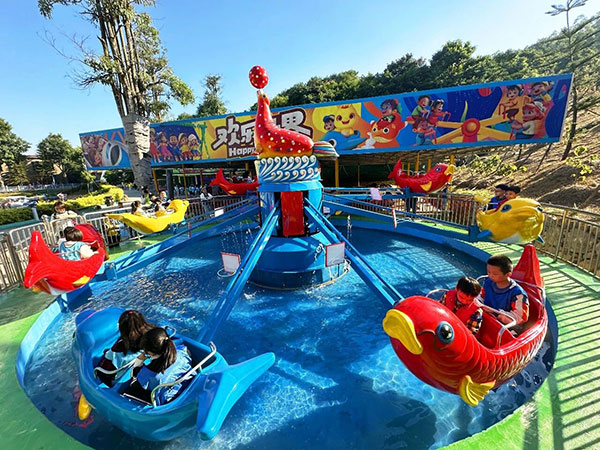
The Happy Children’s Park offers rides such as bumper cars, carousels, and interactive attractions. This area is perfect for families traveling with children, combining adventure with the park’s natural beauty.
Tea Houses and Dining
Pinquan Tea House: Located by the lake, the tea house offers scenic views and local teas. Enjoying a hot cup of Gongfu tea here is a perfect way to relax amid the mountains and water.
Banshan Restaurant: An ecological farmhouse-style restaurant serving local specialties such as Black Pig Hot Pot, Qinglan Stone Pothole Chicken, and Poached Black Pig Meat. The restaurant can accommodate up to 800 guests and emphasizes natural, high-quality ingredients.
Spring and autumn are the ideal seasons to visit Qinglan Guaijiu Valley, when the weather is mild and comfortable. Summer can be hot and humid, while winter is generally mild. Visiting early in the day or late afternoon ensures the best lighting for photography and a pleasant walking experience.
Wear sturdy walking shoes as trails include uneven stone and cliff paths.
Bring a camera to capture geological formations and scenic waterfalls.
Plan a full day for exploration, as the park is extensive and packed with attractions.
Respect natural features; climbing or damaging rocks is prohibited.
Combine visits with nearby Chaozhou or Raoping attractions for a full cultural and natural itinerary.

 English
