Your China & Yunnan Travel Experts

 Ask a Question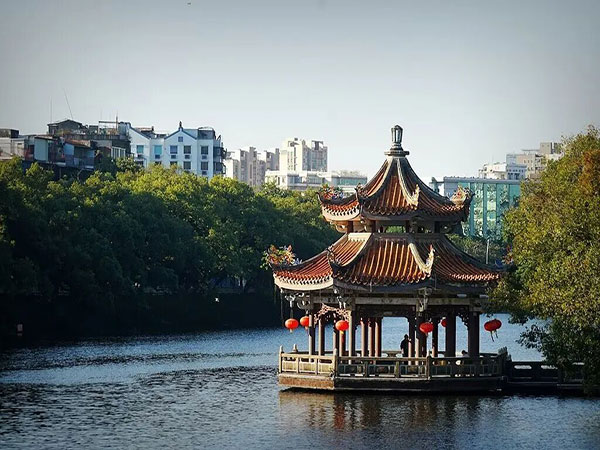
West side of the intersection of Huancheng West Road and Zhongshan Road, Xiangqiao District, Chaozhou
an ideal place to slow down
Located beside the ancient city of Chaozhou in Guangdong Province, Chaozhou West Lake is one of the city’s most beloved scenic spots. Although smaller than the famous West Lakes in Hangzhou or Huizhou, it carries over 1,200 years of history and preserves the graceful atmosphere of a traditional Lingnan garden. Combining calm lake scenery, historic relics, revolutionary memories, and authentic local life, Chaozhou West Lake is an ideal place to slow down and experience the cultural charm of Chaozhou. You could admire elegant pavilions, discover stone inscriptions hidden in the hills, or simply enjoy a cup of Chaozhou Gongfu Tea beside the water.
Chinese Name: 潮州西湖 (Chaozhou Xihu)
Location: West side of the intersection of Huancheng West Road and Zhongshan Road, Xiangqiao District, Chaozhou
Opening Hours: 07:00–22:00 (last entry at 22:00)
Entrance Fee: Free
Recommended Visiting Time: 1.5–3 hours
One of the best things about Chaozhou West Lake is its convenient location. It is very close to the core area of Chaozhou Ancient City. From popular attractions such as Paifang Street or Kaiyuan Temple, visitors can simply walk for about 10–15 minutes to reach the park.
Because the lake is integrated into the old city area, many travelers choose to combine it with nearby attractions in one relaxing day trip.
Chaozhou West Lake was first formed during the Tang Dynasty in 796 AD. Originally, this area was a branch of the Han River. After the construction of the northern embankment, the waterway was separated from the main river and gradually became an independent lake.
During the Tang Dynasty, the lake was listed as one of China’s 81 official “Fangsheng Pools” (release ponds for aquatic life), giving it religious and cultural significance. Today, it is recognized as one of China’s “Thirty-Six West Lakes,” a title shared by historically important lakes across the country.
Unlike many modern urban parks, Chaozhou West Lake still preserves traces of different historical periods. Tang Dynasty origins, Song and Ming cultural relics, Republican-era architecture, and revolutionary history all coexist within this scenic area. Walking through the park feels like traveling through different chapters of Chaozhou’s long history.
Calm Waters and Classical Garden Views
The lake itself covers an area of about 6.7 hectares. Although not very large, its winding shoreline, elegant bridges, and lush greenery create a poetic atmosphere often described in traditional Chinese paintings.
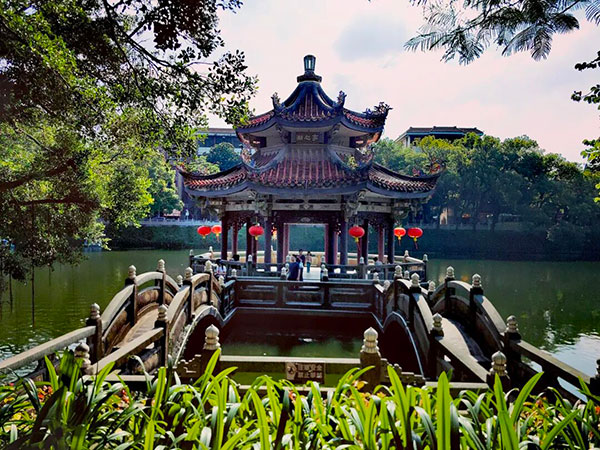
The water is usually calm and reflective, especially in the early morning or at sunset. Ancient banyan trees line the lakeside paths, while lotus ponds add seasonal beauty during summer. Traditional pavilions and waterside buildings are scattered throughout the park, creating picturesque scenes at every turn.
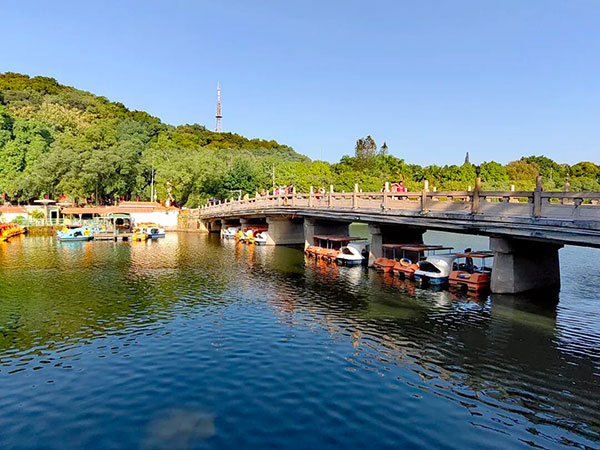
The iconic Hong Bridge, also known as the Rainbow Bridge, is one of the most recognizable landmarks in the park. Crossing the bridge offers beautiful panoramic views of the lake and surrounding hills. Many visitors stop here to take photos or simply enjoy the peaceful environment.
Hulushan Mountain
Behind the lake rises Hulushan Mountain, a small but historically rich hill covered with dense trees and unusual rock formations. Together, the mountain and lake form the classic Chinese landscape concept of “mountains and waters in harmony.”
The pathways on the mountain are relatively gentle and suitable for most visitors. As you climb higher, you can enjoy wider views of the lake, the ancient city, and the surrounding greenery. The quiet environment also makes it a favorite place for local residents to exercise or relax.
Beyond its natural beauty, Chaozhou West Lake is especially valued for its cultural heritage.
Hanbi Tower
One of the most important landmarks in the park is Hanbi Tower. Built in 1922, this Western-style two-story building played an important role during the Nanchang Uprising in 1927.
Leaders such as Zhou Enlai and He Long reportedly used the building as a temporary command center. Today, Hanbi Tower serves as a patriotic education base and revolutionary memorial museum, displaying historical documents and stories from that turbulent period.
The contrast between the elegant lakeside scenery and the serious historical atmosphere inside the building gives visitors a deeper understanding of Chaozhou’s modern history.
Jinghan Pavilion
Jinghan Pavilion was built to commemorate Han Yu, one of the most influential literary figures of the Tang Dynasty. Han Yu once served in Chaozhou and greatly influenced the city’s educational and cultural development.
Inside the pavilion is a stone inscription of “Essay on the White Parrot,” which is traditionally believed to be connected to Han Yu. The pavilion reflects the deep respect Chaozhou people continue to hold for scholarship and literature.
Cliff Inscriptions on Hulushan
One of the hidden treasures of Chaozhou West Lake is the large collection of cliff inscriptions scattered across Hulushan Mountain.
There are more than 130 inscriptions dating from the Tang and Song dynasties to the Republic of China period. The carvings include poems, official announcements, travel notes, and historical records. They are considered one of the three major cliff inscription groups in Guangdong Province.
For travelers interested in Chinese calligraphy, local history, or archaeology, these inscriptions are among the most fascinating features of the park.
Martyrs Memorial Monument
The Revolutionary Martyrs Memorial Monument honors those who sacrificed their lives during the revolutionary struggles, the Anti-Japanese War, and the Chinese Civil War. The monument also records important events from Chaoshan’s wartime history and reflects the patriotic spirit of the region.
Virgin Spring
Another well-known attraction is the Virgin Spring, famous for its clear and sweet water. Local residents traditionally believed that the spring water was ideal for brewing Chaozhou Gongfu Tea, and it has long been praised as a superior tea water source.
Tea culture is deeply rooted in Chaozhou life, so this small spring carries cultural significance beyond its natural appearance.
For first-time visitors, the following route is a great way to explore the highlights of Chaozhou West Lake:
Enter from the East Gate and follow the lakeside walkway.
Cross the famous Hong Bridge and enjoy panoramic lake views.
Stop at the central pavilion area for photos and sightseeing.
Continue northward to visit Hanbi Tower and learn about revolutionary history.
If time allows, hike along the paths of Hulushan Mountain to discover the cliff inscriptions.
Exit the park and continue your journey toward Paifang Street or Kaiyuan Temple.
This route combines natural scenery, cultural heritage, and historical attractions in a comfortable walking experience.
Unlike some heavily commercialized tourist attractions, Chaozhou West Lake still maintains a strong local atmosphere.
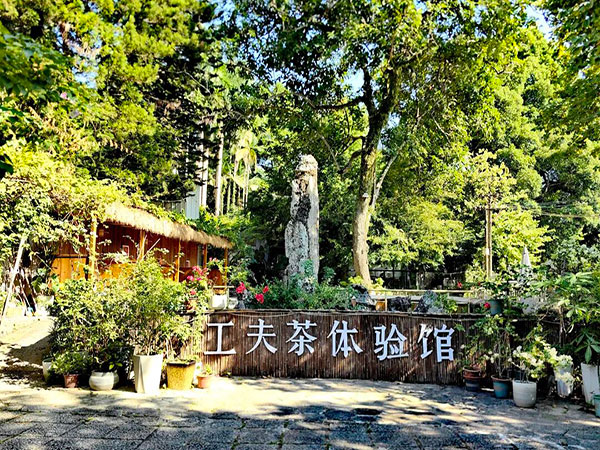
If you have extra time, consider sitting at one of the lakeside tea areas and enjoying a traditional Gongfu Tea session. You may see local residents chatting, playing chess, exercising, or singing Chaozhou opera melodies nearby.
This slow-paced daily life is one of the true charms of Chaozhou. The park is not only a scenic destination but also an important gathering place for the community.
Food near Chaozhou West Lake
There are no major restaurants inside the park itself, but several famous local snack shops can be found near the entrances.
One popular recommendation is the local beef offal rice noodle shop known as “Zhenji Beef Offal Kway Teow,” where visitors can taste authentic Chaozhou flavors after sightseeing.
Travelers can also continue toward Paifang Street, where numerous traditional snack shops and tea houses offer classic Chaozhou dishes such as beef hotpot, oyster omelet, handmade rice cakes, and marinated goose.
Some areas with dense vegetation may have mosquitoes, especially in summer, so insect repellent is recommended.
If you choose to go boating on the lake, follow all safety rules carefully.
Early morning and late afternoon are the best times for photography and leisurely walks.
The park is particularly beautiful after light rain, when the lake and hills appear misty and poetic.
Wear comfortable walking shoes if you plan to explore Hulushan Mountain.
Why Visit Chaozhou West Lake?
While Chaozhou is famous for its ancient streets, temples, and cuisine, Chaozhou West Lake offers a quieter and more reflective side of the city. Here, elegant lake scenery blends naturally with thousand-year-old cultural traditions and traces of revolutionary history.
It may not be as grand as some of China’s larger scenic lakes, but its peaceful atmosphere and authentic local character make it one of the most charming places in Chaozhou. Whether you are a history lover, photography enthusiast, tea culture fan, or simply someone looking for a relaxing walk, Chaozhou West Lake provides a memorable experience in the heart of the ancient city.

 English