Your China & Yunnan Travel Experts

 Ask a Question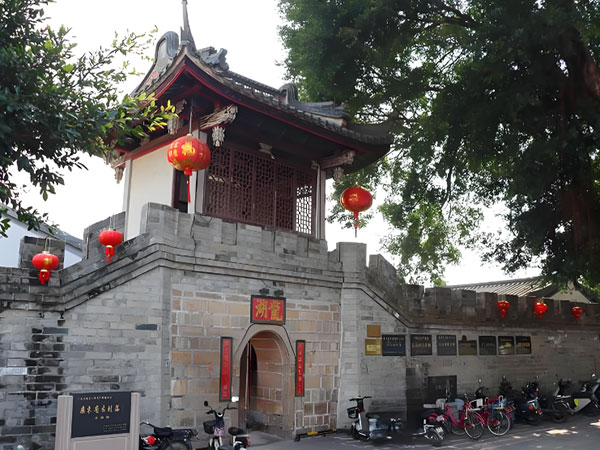
Longhu Town, Chao'an District, Chaozhou, Guangdong Province
Chaozhou traditional villages
Longhu Ancient Village (龙湖古寨, Longhu Guzhai) is one of the best-preserved traditional villages in eastern Guangdong Province. Located in Chao'an District of Chaozhou, about 20 kilometers south of downtown Chaozhou, this historic settlement dates back more than 1,000 years and offers visitors a glimpse into the rich heritage of Chaoshan culture.
With its ancient streets, traditional courtyard houses, ancestral halls, temples, and stories of successful merchants and scholars, Longhu Ancient Village is often described as a living museum of traditional Chinese architecture and local customs. For travelers seeking an authentic cultural experience beyond the usual tourist attractions, Longhu Ancient Village is a fascinating destination worth exploring.
Chinese Name: 龙湖古寨
Pinyin: Longhu Guzhai
Location: Longhu Town, Chao'an District, Chaozhou, Guangdong Province
Distance from Chaozhou: About 20 km
History: More than 1,000 years
Best For: Traditional architecture, Chaoshan culture, photography, cultural exploration
Recommended Visit Time: 2–3 hours
Best Time to Visit: Spring and Autumn
Longhu Ancient Village was established during the Northern Song Dynasty (960–1127). Because of its strategic location along important waterways connecting Chaozhou with other parts of southern China, the village gradually became a prosperous commercial center.
During the Ming and Qing Dynasties, Longhu flourished as local merchants expanded their businesses throughout China and Southeast Asia. Wealthy families invested in building elegant residences, ancestral halls, academies, and temples. As a result, the village developed into a thriving cultural and economic center in the Chaoshan region.
Today, many of these historic buildings remain standing, allowing visitors to appreciate architectural styles from different periods over the last several centuries.
Experience Authentic Chaoshan Culture
Unlike many modern tourist towns that have undergone extensive reconstruction, Longhu Ancient Village retains much of its original character. Walking through the village feels like stepping back in time. Visitors can observe traditional architecture, local customs, religious practices, and the strong family-centered culture that has shaped Chaoshan society for generations.
Admire Traditional Chinese Architecture
The village is famous for its impressive collection of traditional residences and ancestral halls. More than one hundred historic buildings remain, representing architectural styles from the Song, Ming, Qing, and Republican periods.
The buildings feature:
Many structures combine practical design with artistic craftsmanship, reflecting the wealth and cultural aspirations of former residents.
Enjoy a Less Crowded Historical Destination
Compared with famous ancient towns such as Lijiang or Wuzhen, Longhu Ancient Village remains relatively quiet and less commercialized. This allows visitors to enjoy a more authentic atmosphere and explore the historic streets at a relaxed pace.
Photographers especially appreciate the village's peaceful environment and well-preserved historic scenery.
Ancient Streets and Lanes
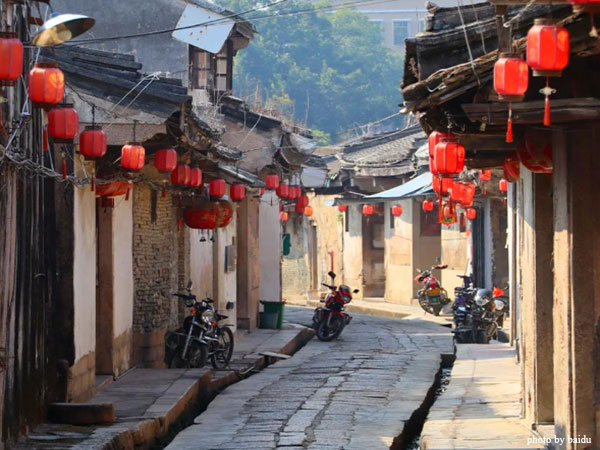
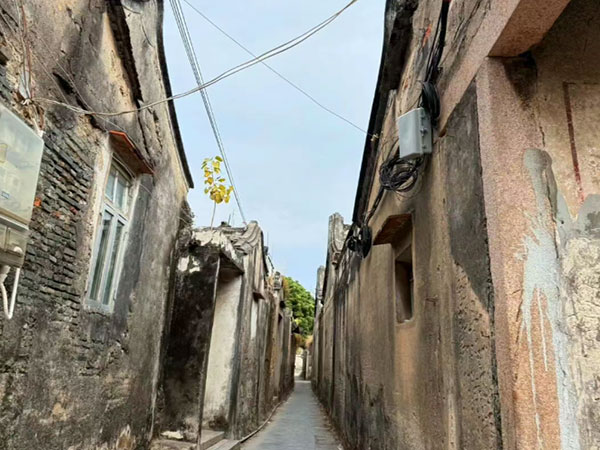
One of the highlights of the village is simply wandering through its network of narrow stone-paved streets.
The layout resembles a traditional Chinese maze, with interconnected alleys leading to hidden courtyards, temples, and ancestral halls. As you walk around, you can discover beautifully preserved doorways, carved windows, and historic residences.
Every corner offers opportunities for photography and cultural discovery.
Historic Mansions
Longhu Ancient Village contains numerous grand residences built by wealthy merchant families.
Many of these homes feature:
These mansions demonstrate the prosperity once enjoyed by Longhu's merchant class and showcase the craftsmanship of traditional Chaoshan builders.
Ancestral Halls
Ancestral worship has long been an important part of Chaoshan culture. Throughout the village, visitors can find ancestral halls belonging to various clans. These buildings served as centers for family gatherings, ceremonies, education, and community activities. The ancestral halls often contain impressive architectural details and provide valuable insight into traditional Chinese family values.
Temples and Religious Sites
Religion has played an important role in the daily life of the village for centuries. Several temples dedicated to local deities and folk beliefs can be found throughout Longhu Ancient Village. During traditional festivals, these temples become gathering places for ceremonies and celebrations. Visitors may encounter local residents making offerings or participating in religious activities, offering a glimpse into living cultural traditions.
Ancient Wells and Waterways
Water was essential to the village's development and prosperity. Several ancient wells and historic water systems remain visible today. These features remind visitors of the village's close connection to regional trade routes and agricultural activities.
Cultural Heritage of Longhu Ancient Village
Longhu Ancient Village reflects many aspects of Chaoshan culture, one of the most distinctive regional cultures in southern China.
The village is associated with:
Many residents of Chaoshan ancestry who emigrated to Southeast Asia trace their family roots back to villages similar to Longhu. As a result, the village represents an important part of the cultural identity of overseas Chinese communities worldwide.
The best seasons to visit Longhu Ancient Village are spring (March to May) and autumn (September to November).
During these months, temperatures are comfortable and ideal for walking around the village.
Summer can be hot and humid, while winter is generally mild but occasionally cool.
If possible, plan your visit during a traditional festival period to experience local celebrations and cultural performances.
From Chaozhou: Longhu Ancient Village is located approximately 20 kilometers from downtown Chaozhou.
By Taxi: Direct taxi services are available from Chaozhou city center
By Private Tour: Many visitors combine Longhu Ancient Village with other attractions such as Chaozhou Ancient City, Guangji Bridge, Kaiyuan Temple, and Hanjiang River.
While both Longhu Ancient Village and Chaozhou Ancient City showcase the rich heritage of the Chaoshan region, they offer distinct experiences for visitors.
Longhu Ancient Village focuses on traditional village life, clan-based culture, and well-preserved residential architecture. It is quieter, less commercialized, and ideal for travelers seeking an authentic, off-the-beaten-path experience.
Chaozhou Ancient City is more urbanized and vibrant, featuring bustling streets, historic marketplaces, iconic landmarks such as Guangji Bridge, and numerous temples. It provides a broader sense of city life and cultural history but can be busier and more tourist-oriented.
Visiting both allows travelers to appreciate the contrast between rural heritage and urban historical development in the Chaoshan region.
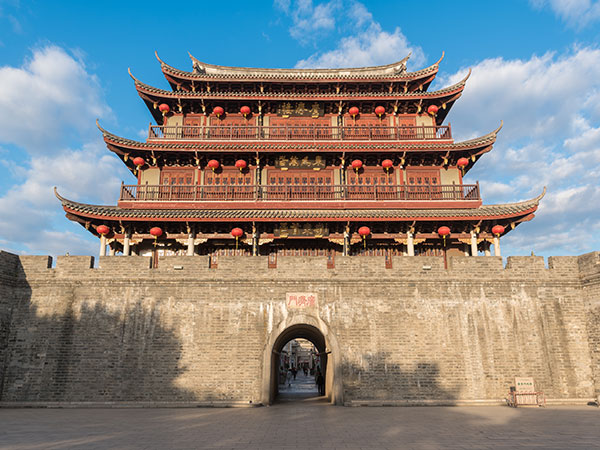
For travelers with a full day or half-day to explore, Longhu Ancient Village can be combined with key Chaozhou attractions for a well-rounded cultural experience:
Morning – Longhu Ancient Village
Arrive early to explore the ancient streets, historic residences, and ancestral halls.
Enjoy photography opportunities and observe local cultural practices.
Late Morning – Chaozhou Ancient City
Head back to Chaozhou city center (approx. 30–40 minutes by car).
Visit Guangji Bridge, Kaiyuan Temple, and the city’s ancient lanes.
Lunch – Chaoshan Cuisine
Try traditional dishes such as beef hotpot, oyster omelets, and local snacks in Chaozhou’s restaurants or street stalls.
Afternoon – Hanjiang River and Local Markets
Walk along the Hanjiang River or explore the city’s local markets for souvenirs.
Optionally, enjoy a tea ceremony to experience Chaozhou’s famous Gongfu tea culture.
This combination allows visitors to experience both the tranquil village life of Longhu and the vibrant cultural landscape of Chaozhou city in a single day.

 English