Your China & Yunnan Travel Experts

 Ask a Question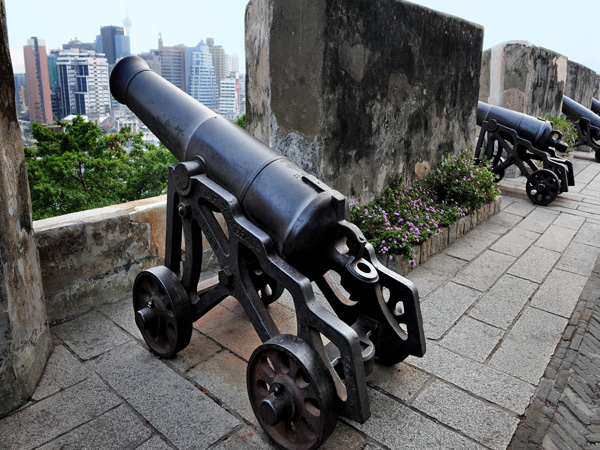
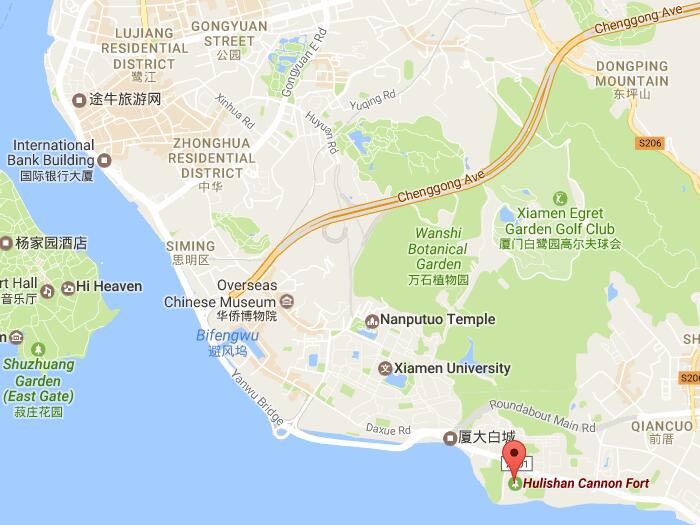
2 Zengcuo'an, Siming District, Xiamen, Fujian Province, China
Historical fortress; a beautiful seaside attraction that allows visitors a glimpse into the history of Xiamen Island
Hulishan Fort is located in the Hulishan seashore at the southern end of Xiamen Island together with Rongguang Cultural Relics and Treasures Museum.
Hulishan Fort, namely Hulishan Battery, is a national AAAA - level tourist attraction and a key national cultural relic protection unit located at No. 2, Zengcuo'an, Siming District, Xiamen City, Fujian Province. Here is a travel guide to it:
Built in 1894 and completed in 1896 during the Qing Dynasty, the battery covers an area of 13,000 square meters, costing more than 86,900 taels of silver. It is divided into the battle 坪 area, barracks area, and rear - mountain area from south to north. There are two main guns in the east and west, as well as two auxiliary guns, with auxiliary facilities such as combat rooms, ammunition supply rooms, secret tunnels, ammunition depots, trenches, official halls, barracks, observation decks, armories, city walls, observation posts, and shooting loopholes.
Krupp Cannon
The battery was once equipped with two Krupp cannons purchased from Germany. Each cannon weighed 87 tons, was 13.9 meters long, and had a firing range of nearly 20 kilometers. Now, one Krupp cannon remains, which was recognized as "the largest and oldest 19th - century breech - loading coastal gun still in existence" by the Guinness World Records in 2000.
Rongguang Museum
Located within the Hulishan Fort, the museum displays ancient firecrackers, guns, swords, and unusual natural stones from around the world. Among them, there is the world's smallest cannon made by the Portuguese in the 13th century, which is only 11 centimeters long and weighs 0.22 kilograms.
Scenic Surroundings
Around the Hulishan Fort, there are many other attractions. Wanggui Platform and Pangui Platform allow tourists to see Dadan Island and Erdan Island through telescopes. Baicheng Beach is a good place for tourists to enjoy the soft sand, blue sea, and gentle sea breeze.
Hulishan Fort is an important historical relic for studying China's coastal defense military history, the history of the Westernization Movement, and the technology of military construction. It is an important physical witness of China's modern military history, coastal defense history, and the history of the Westernization Movement, as well as a base for patriotic education. During the War of Resistance against Japanese Aggression, on September 3, 1937, the Hulishan Fort sank the Japanese destroyer "Wakatake" - type 13 and damaged the "Hagikaze" - type 4, smashing the Japanese attempt to occupy Xiamen.
Attend the Qing Dynasty Military Drill Performance
This is a signature activity at Hulishan Fort, held daily at 10:00 AM and 4:00 PM. Actors dressed in authentic Qing Dynasty military uniforms recreate the imperial army’s training scenes, including formation drills, simulated artillery firing, and flag signals, all accompanied by traditional drumbeats. The 16-minute performance vividly revives the military culture of the late Qing Dynasty, and visitors can take free photos with the performers afterward to capture the historical atmosphere.
Witness the Ancient Gate-Opening Ceremony
Kicking off the daily operations at 8:30 AM, this ceremony features staff in elaborate Qing-era guard costumes—complete with helmets, armor, and traditional weapons—performing a solemn ritual to "open the fort gates." The ceremony includes ceremonial salutes, uniformed marches, and greetings in ancient etiquette, offering visitors an immersive first impression of the fort’s historical grandeur.
Explore Rongguang Museum with a Guided Tour
While self-exploration is allowed, joining a guided tour of Rongguang Museum (housed within the fort) enriches the experience significantly. Knowledgeable guides explain the stories behind key exhibits: from the world’s smallest 13th-century Portuguese cannon (only 11cm long, weighing 0.22kg) to a collection of ancient swords, artillery, and rare natural stones. The tour delves into how these artifacts reflect global military history and Sino-foreign cultural exchanges.
Use Telescopes at Wanggui & Pangui Platforms for Coastal Viewing
Perched on the fort’s coastal terraces, Wanggui and Pangui Platforms offer unobstructed views of the Taiwan Strait. For a small fee, visitors can use high-powered telescopes to spot distant landmarks like Dadan Island, Erdan Island, and even the outline of Taiwan’s Kinmen Islands on clear days. It’s a unique way to connect the fort’s coastal defense history with the actual geographical landscape it once guarded.
Take a Leisurely Stroll to Baicheng Beach (Adjacent to the Fort)
After exploring the fort’s historical sites, a 5-minute walk leads to Baicheng Beach—a serene stretch of golden sand with turquoise waters. Visitors can relax by the sea, feel the coastal breeze, or even dip their feet in the shallow waves. The beach also provides a perfect backdrop for photos, blending the fort’s ancient military architecture with the natural beauty of Xiamen’s coastline.
Public transport is the most economical and eco-friendly choice, with extensive bus routes covering major areas of Xiamen. The fort is served by three key bus stops, each offering easy access to different entrances:
Key Bus Stops and Routes
Metro + Bus CombinationWhile there is no direct metro station to the fort, you can combine metro and bus for longer journeys:
Taxis and ride-hailing services (Didi Chuxing) are convenient for those prioritizing speed, especially with luggage or during bad weather.
Fare Estimates
From $ 512
From on request

 English
