Your China & Yunnan Travel Experts

 Ask a Question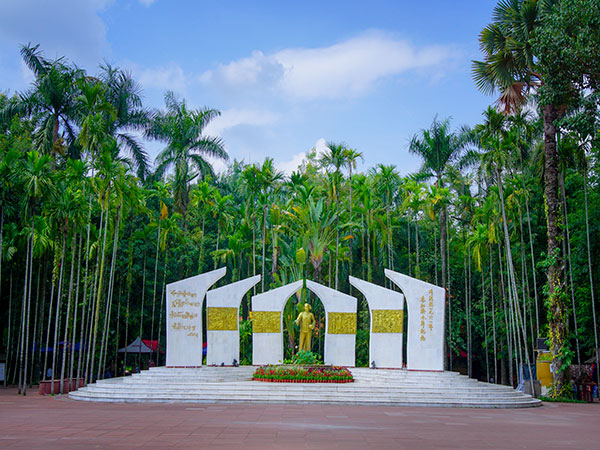

Manting Road, Jinghong, Xishuangbanna Dai Autonomous Prefecture, Yunnan Province, China.
It was loyal garden of Dai King.
Chunhuan Park, also known as Manting Park, is the oldest and most historically significant park in Xishuangbanna, with a history of over 1,300 years. It was once the royal garden of the Dai King, representing the grandeur and elegance of the ancient Dai royal court. The park harmoniously blends three major cultural themes — Dai royal culture, Buddhist culture, and local folk culture — making it an unmissable attraction in Jinghong.
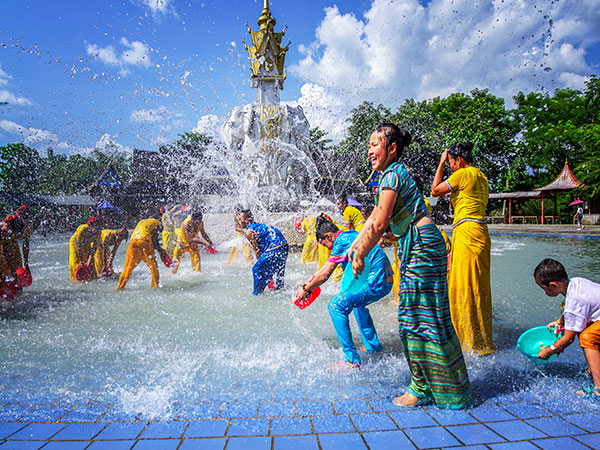
Walking through the park, visitors are greeted by golden, splendid Dai-style palaces, lush tropical vegetation, serene lakes, and exquisite Buddhist pagodas. These elements together create a vibrant scene full of tropical charm and spiritual tranquility. In the evening, the park comes alive with the grand performance “Lancang-Mekong Night,” which showcases traditional dances, water lantern rituals, and the joy of the water-splashing festival.
For travelers to Xishuangbanna, Chunhuan Park is a perfect place to appreciate ethnic architecture and experience local traditions, especially since it is located right in the city center with easy access and affordable tickets.
1. Enter from the Northeast Gate: Upon entering the park, the first thing you’ll see is a bronze statue of Premier Zhou Enlai dressed in traditional Dai attire, holding an olive branch and a silver water bowl — symbols of peace and friendship. This landmark is deeply cherished by local residents, reflecting their respect and affection for Premier Zhou.
2. The Dai King’s Palace: This resplendent palace was once the residence and administrative center of the Dai King. Its intricate carvings, dazzling golden rooftops, and grand architecture exude royal dignity and make it a popular photo spot.
3. The Imperial Garden: Filled with tall palm trees, blooming tropical flowers, and lush greenery, the Imperial Garden offers a refreshing escape into nature. It’s a great place for photography lovers to capture serene and picturesque moments.
4. Zangha Pavilion: Here visitors can experience the enchanting traditional Zangha music of the Dai people — rhythmic beats, melodic bamboo instruments, and the joy of dance that has been passed down for generations.
5. Bougainvillea Garden: A colorful garden filled with bright blossoms that enhance the park’s natural charm and create a romantic setting for leisurely walks.
6. The Twin Pagodas: Composed of a main pagoda surrounded by eight smaller ones, the Twin Pagodas are symbolic structures reflecting deep Buddhist influence and the rich cultural heritage of Xishuangbanna.
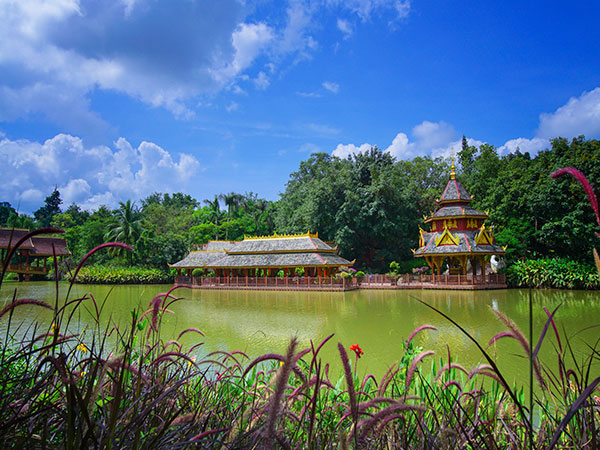
7. The Octagonal Corridor Bridge: This elegant bridge spans across the park’s lake. The octagonal pavilion in the center was modeled after the famous Jingzhen Octagonal Pavilion. Its colorful murals depict scenes from Dai daily life, offering a glimpse into the local culture.
8. Imperial Lotus Pond: The pond is filled with lotus and giant water lilies, creating a tranquil and photogenic view alongside the surrounding palaces and pagodas.
9. Dai Pottery Experience Hall: Visitors can try their hand at traditional Dai pottery-making and learn about the intricate craftsmanship that reflects the ethnic group’s artistic sensibility.
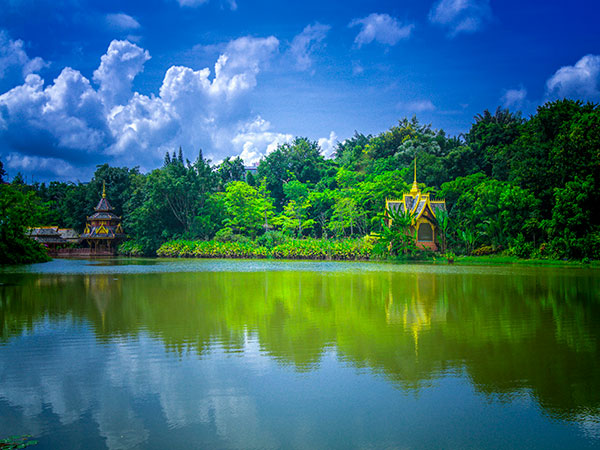
10. Waterfront Promenade: A relaxing walkway along the lake, perfect for admiring reflections of tropical trees and temples, while feeling the harmony between nature and culture.
11. Parrot Paradise: A fun attraction for families, where colorful parrots perform entertaining tricks, from mimicking human speech to solving puzzles.
12. Elephant Culture Park: This area celebrates the Dai people’s deep bond with elephants, considered sacred animals in their culture. Visitors can watch educational shows, learn about elephant behavior, and even feed them under staff supervision.
13. Ethnic Folk Culture Zone: The zone showcases traditional Dai crafts such as handwoven brocade, silver jewelry, and bamboo carvings. It’s a wonderful place to buy souvenirs and understand local life.
14. The White Pagoda: Modeled after the famous Manfeilong White Pagoda, this group of nine pagodas — one central mother pagoda surrounded by eight smaller ones — resembles bamboo shoots, a symbol of vitality and purity.
15. Mother Earth Goddess Statue: A sacred site symbolizing the Dai people’s reverence for nature, fertility, and life, this statue represents their deep ecological and spiritual beliefs.
16. South Gate and Zongfo Temple: Exiting through the South Gate, visitors can continue to Zongfo Temple, a magnificent Dai-style Buddhist temple connected to the park. Its glittering golden roofs and serene atmosphere make it one of Jinghong’s most important spiritual landmarks.
Dai King’s Parade (10:00 a.m.)
A reenactment of the grand royal procession where performers in exquisite costumes showcase the regal charm and elegance of the Dai Kingdom.
Parrot Show (9:50 a.m., 12:00 p.m., 3:40 p.m.)
Held in Parrot Paradise, these lively and humorous performances are perfect for families with kids.
Elephant Cultural Show (10:30 a.m., 2:50 p.m., 4:30 p.m.)
A fascinating event where you can learn about the significance of elephants in Dai culture, interact with them, and observe their playful behavior.
Inside the park, small food stalls sell delicious local snacks like bamboo rice, grilled sausages, and skewers. Around the park, numerous restaurants offer authentic Dai cuisine, including grilled lemongrass fish, pineapple rice, and Dai-style barbecue, perfect for satisfying your appetite after sightseeing.
Ticket: 40 RMB per person
Opening Hours: 8:00 a.m. – 6:00 p.m. (last entry at 5:00 p.m.)
Transportation:
Take Bus No. 6 and get off at Manting Market Station, or take a taxi (about 4–6.5 km from the railway station, airport, or Gaozhuang Xishuangjing area).
Dress Code:
When visiting Zongfo Temple, dress modestly — no sleeveless tops or short skirts. Visitors wearing revealing clothes should bring a jacket or shawl.
Evening Show:
The “Lancang-Mekong Night” bonfire event requires a separate ticket, which includes a buffet dinner, ethnic performances, floating lantern ceremonies, and an interactive bonfire party. Prices are relatively high, but the cultural experience is worth it for those interested.
From $ 317

 English