Your China & Yunnan Travel Experts


 Ask a Question
① Northern Route: Wild Elephant Valley, Jinuo Mountain Village, Jinghong Primitive Forest Park, etc.
② Eastern Route: Xishuangbanna Tropical Botanical Garden (XTBG), Dai Minority Park, Wangtianshu Scenic Area, etc.
③ Western Route: One Tree Forest, Mengjinglai Village, Hani Culture Park, Jingmai Mountain, etc.
④ City Area: Manting Park, General Buddhist Temple, Mengle Great Buddha Temple, Gaozhuang Starlight Night Market, etc.
Attractions in the city area are close to each other and can be visited within one day, making them ideal for first-time visitors. The eastern route focuses on tropical plants and Dai ethnic culture, suitable for travelers who enjoy nature and cultural experiences. The northern route highlights tropical rainforests and elephants, perfect for families and wildlife enthusiasts. The western route is relatively niche and can be skipped if you are short on time.
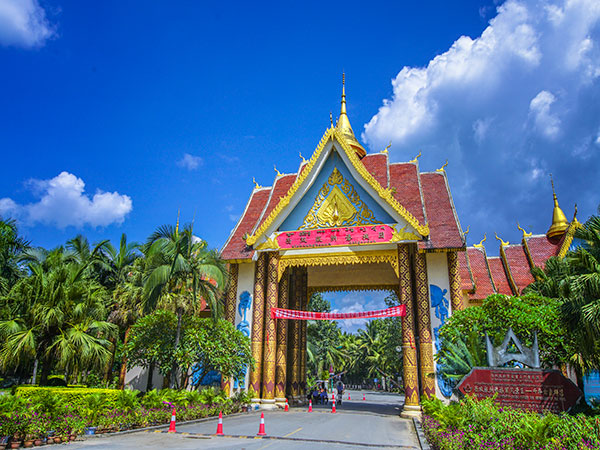
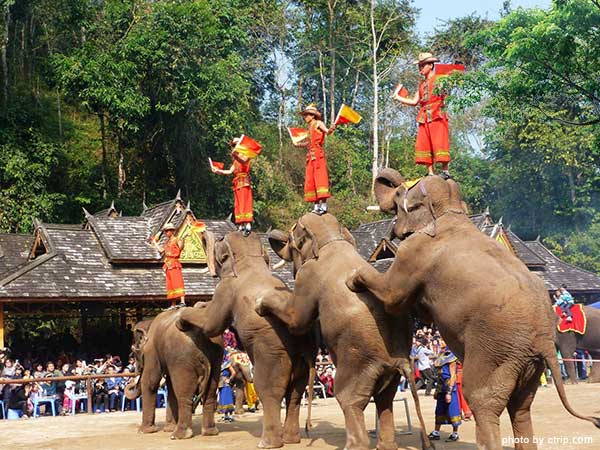
The Wild Elephant Valley Scenic Area follows a circular sightseeing route, allowing visitors to enter from either the south or north gate without retracing their steps. Elevated viewing walkways, jungle trails, and a rainforest sightseeing cableway connect the main areas, creating an immersive rainforest experience. A full visit typically requires 2.5 to 3 hours. Visitors may choose between riding the cableway—covering 2,063 meters in about 35 minutes—or walking deep into the valley for a closer look at the rainforest.
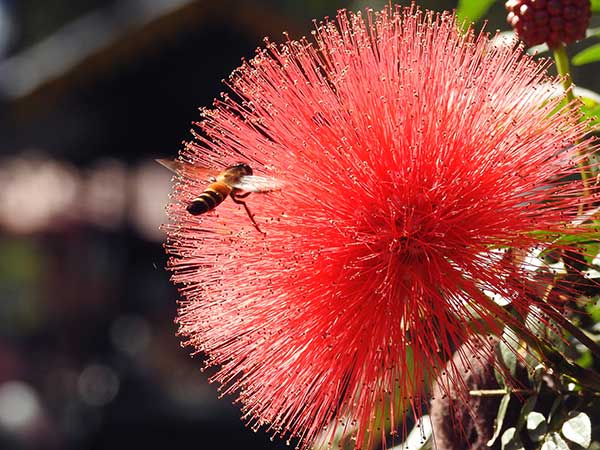
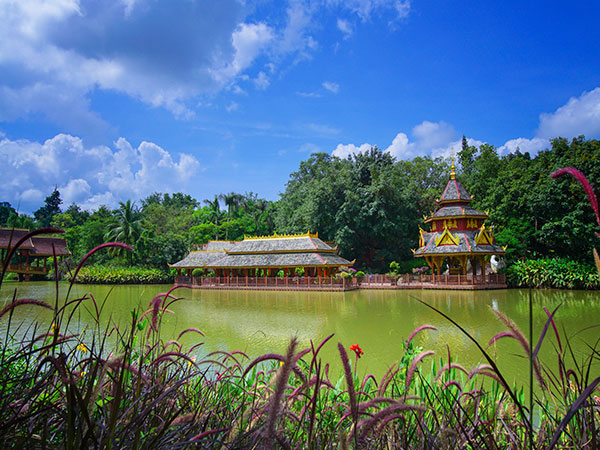
Also known as the CAS Tropical Botanical Garden, this is the largest and most species-rich tropical botanical garden in China. Because the park is located in Menglun Town, many locals also call it the Menglun Botanical Garden.
The vast garden is divided into East District and West District.
The East District is smaller and features the Green Stone Forest Scenic Area, tropical rainforest trails, and the Couple’s Peak viewpoint. Visitors must hike to the mountaintop to enjoy spectacular panoramic rainforest scenery. The West District is larger and features themed zones displaying rare flowers, exotic plants, and valuable tree species. Many interpretive signs and educational boards make it ideal for families and travelers who enjoy learning about botany and ecology.
Most visitors begin in the West District to gain basic plant knowledge, then move on to the East District to see the pristine rainforest up close, making the experience more rewarding.
Because the garden is enormous, visiting solely on foot could take two full days. The park shuttle service is highly recommended:
Full-park ticket: 100 RMB/person
East/West District individual tickets: 50 RMB/person
Opening Hours: 08:00–18:00
Tickets: 104 RMB/person
Built deep inside the tropical rainforest, Wangtianshu Scenic Area is ideal for travelers who love outdoor activities and adventure. Known for towering parashorea chinensis trees, the tallest reaching up to 88 meters, the area features a thrilling 500-meter canopy walkway positioned 36 meters above the ground. From here, visitors can enjoy sweeping views of the rainforest canopy.
The scenic area also offers immersive cultural experiences in local villages inhabited by the Dai, Hani, Bulang, Yao, and Yi ethnic groups—all preserving traditional lifestyles and architecture.
Best Time for Flower Viewing: May–June
Opening Hours: 08:30–18:00
Tickets:
Entrance: 75 RMB
All-inclusive package: 198 RMB (includes entrance, Nanla River sightseeing boat ride, and canopy walkway)
Due to its distance—over 140 km from Jinghong—it is best to dedicate a full day to this attraction. This ensures plenty of time to explore and still return to Jinghong in time to enjoy the night market.
Single-Tree Forest Scenic Area:
Located near the China–Myanmar border, this area features a breathtaking 900-year-old banyan tree standing over 50 meters tall. From the viewing area, visitors can see the Golden Pagoda of Xiao Mengla in Myanmar, enhancing the cross-border atmosphere.
Mengkenglai (Mengkenglai Village):
Known as the “No. 1 Dai Village on the China–Myanmar Border,” this well-preserved village features classic Dai stilt-style wooden homes and a peaceful rural environment. The village has about 110 Dai households, all maintaining traditional customs and lifestyles. At 60 RMB per ticket, it is a great choice for families. Both Mengkenglai and Single-Tree Forest are close enough to be visited together, with lunch available inside either scenic area.
Jingmai Mountain:
One of China’s six famous ancient tea mountains, Jingmai Mountain is home to the thousand-year-old Jingmai Mangjing Ancient Tea Forest, as well as several ethnic villages. Visitors can explore the Tea Ancestor Mountain, the Nuogan Dai Village, and the Wengji Bulang Village to experience tea-picking traditions and ancient tea culture.
General Buddhist Temple (Zongfosi):
One of the most important temples in Southeast Asia’s Theravada Buddhist circle, Zongfosi is the spiritual center for Buddhist believers in Xishuangbanna. The temple features traditional activities such as Baiye Sutra culture, string-tying blessings, and wildlife release ceremonies. Located just south of Manting Park, it is free to visit.
Mengle Great Buddha Temple:
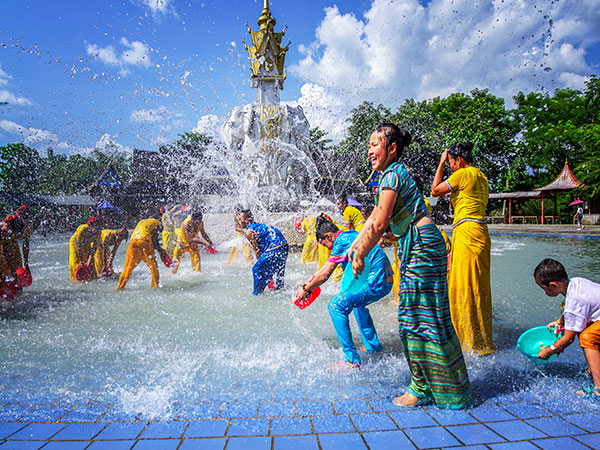
The largest Theravada Buddhist temple complex in China, this grand temple is built along the mountain slope with a vertical height difference of 122.8 meters, forming a giant seated Buddha shape. The temple’s Southeast Asian architectural elements create a strikingly exotic atmosphere. From the highest platform near the Wanfo Pagoda, visitors can enjoy sweeping panoramic views of Jinghong City. Inside, visitors receive a wristband to write blessing cards and light offering lamps. The nearby Water-Sprinkling Square and Peacock Cultural Garden host daily cultural shows, including peacock dancing and ceremonial water blessings.
Gaozhuang Starlight Night Market:
Located in the lively Gaozhuang Xishuangjing area, this popular night market is filled with Dai snacks, handicrafts, fruit stalls, cafés, and photo spots. Visitors can rent traditional Dai costumes for photos and enjoy a relaxing evening after a full day of sightseeing.

 English