Your China & Yunnan Travel Experts

 Ask a Question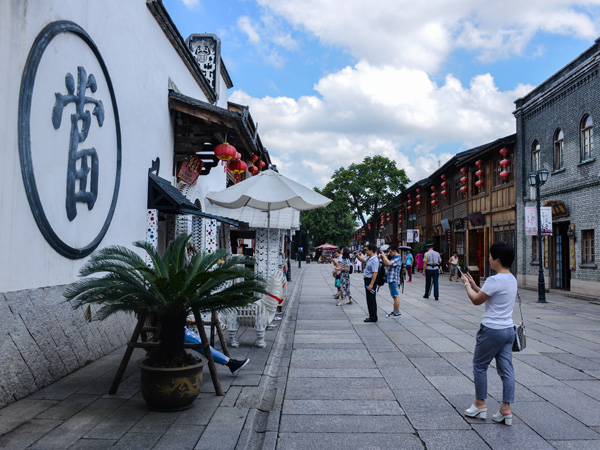
Three Lanes and Seven Alleys, Gulou District, Fuzhou City, Fujian Province, China
One of the largest existing traditional Chinese architecture cluster in China.
Sanfang Qixiang, located in the heart of Fuzhou City, Fujian Province, is a well-preserved cluster of ancient Ming and Qing Dynasty architecture boasting profound historical and cultural significance. Spanning approximately 40 hectares, this area houses 268 ancient residences and stands as a vital symbol of Fuzhou's history and culture. As one of China's Historic and Cultural Streets, Sanfang Qixiang captivates countless tourists and researchers with its profound cultural heritage and elegant architectural style.
Sanfang Qixiang not only bears witness to Fuzhou's history but also serves as a vital platform for promoting the city's traditional culture. It chronicles the footsteps of Fuzhou's renowned historical figures while showcasing traditional handicrafts, folk arts, and ancient commercial practices. Hailed as a “museum of Ming and Qing architecture,” Sanfang Qixiang reveals Fuzhou's unique charm through its preserved ancient buildings and relics.
Today, Sanfang Qixiang serves not only as a major cultural tourism destination in Fuzhou but also as a living community for local residents. Despite its status as a celebrated cultural heritage site, generations of Fuzhou natives continue to reside here, preserving traditional lifestyles and cultural traditions.
Three lanes consist of Guanglu Lane, Wenru Lane and Yijin Lane; and Seven Alleys includes Jibi Alley, Gongxiang Alley, Taxiang Alley, Huangxiang Alley, Anmin Alley, Langguan Alley and Yangqiao Alley. The lanes and alleys are home to hundreds of houses built by wealthy people in the Ming and Qing dynasties, including politicians, military leaders, writers and poets, and 159 buildings remain well-preserved to this day. Each of them has its own special history and stories. The ornaments, wood carvings and stone carvings all testify to the buildings' past glories.
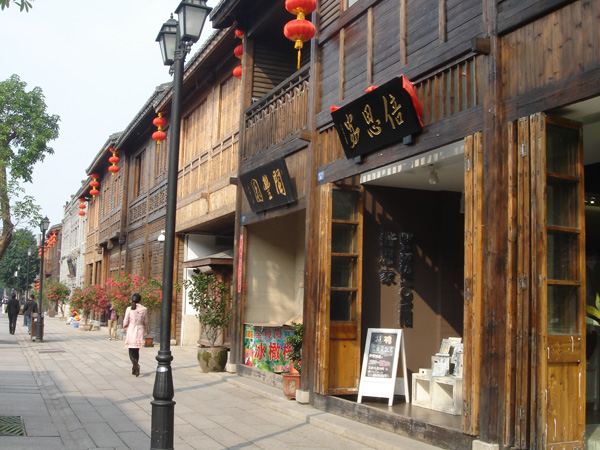
Three Lanes and Seven Alleys is actually a century-old block crisscrossed by historic lanes and alleys. This spot is paved with slab stones; also decorated with white walls as well as gray tiles. The houses there are built with historic huge-bricks and decorated with seashells, which are easier to get from sea due to Fuzhou coastal location. This interesting spot looks like a shaped chessboard. Having a bird's eye view of the city, the shape of the lanes and alleys comply with natural features as well as together with other winding narrow paths.
More than 150 ancient buildings can be seen here. And most of them have complete courtyards which are valuable. The majority of the houses were the homes of scholars, bureaucrats or wealthy figures during ancient times. There are some former residences of the famous people in China, like Lin Zexu, Bing Xin, etc.. These houses have various shaped ponds, pavilions as well as bridges. There are huts, halls, public lodgings as well as recreation areas outside the houses, which has unique walls decorated with intricate colorful paintings.
Touring around Three Lanes and Seven Alleys area is free, but if you want to get into some former residences of the famous people, you have to pay entrance fee first.
Sanfang Qixiang, located in the heart of Fuzhou, stands as one of China's best-preserved ancient architectural districts from the Ming and Qing dynasties. It is hailed as a “living fossil of China's urban li-fang system.” The entire district is compact, making it ideal for a leisurely stroll of about 2 to 3 hours, perfect for taking your time and savoring the sights.|
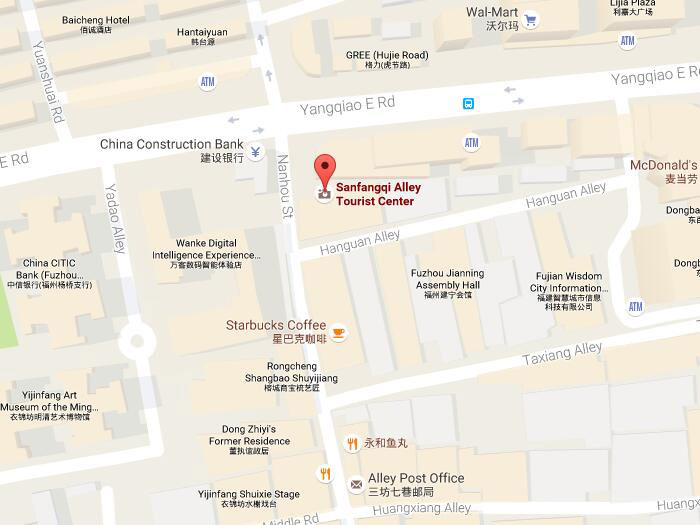
It's generally recommended to start your tour from Nanhou Street. As the main thoroughfare of Sanfang Qixiang, it's the most bustling area, packed with shops, street food stalls, and cultural and creative boutiques. Strolling along here allows you to familiarize yourself with the overall atmosphere while sampling Fuzhou's signature snacks. Once you reach the middle section of Nanhou Street, branch off into the “Three Lanes” and “Seven Alleys” on either side.
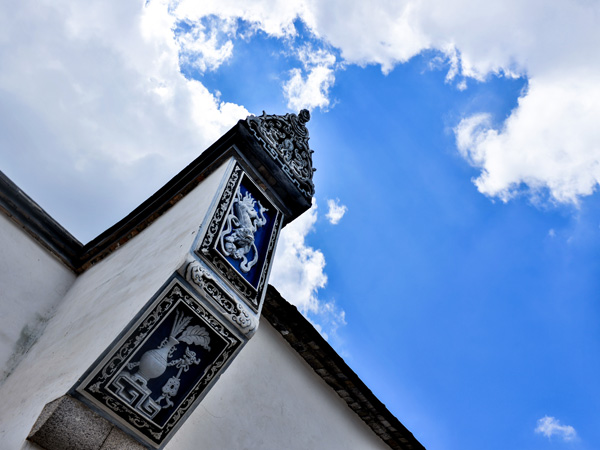
The “Three Lanes” refer to Yijin Lane, Wenru Lane, and Guanglu Lane. This area features residences of historical figures and grand courtyard houses, showcasing more complete and refined architectural layouts. Here, you can visit the Lin Zexu Memorial Hall, Yan Fu's Former Residence, and Bing Xin's Former Residence to learn about Fuzhou's rich cultural history. Strolling along the cobblestone paths and past saddle-shaped walls evokes a profound sense of historical depth.
The “Seven Lanes” encompass Yangqiao Lane, Languan Lane, Tower Lane, Huang Lane, Anmin Lane, Gong Lane, and Jibi Lane. These lanes offer a more everyday atmosphere with fewer tourists, making them ideal for quiet photography or leisurely strolls. Pay close attention to the ancient dwellings, courtyard lintels, and intricate wood carvings here.
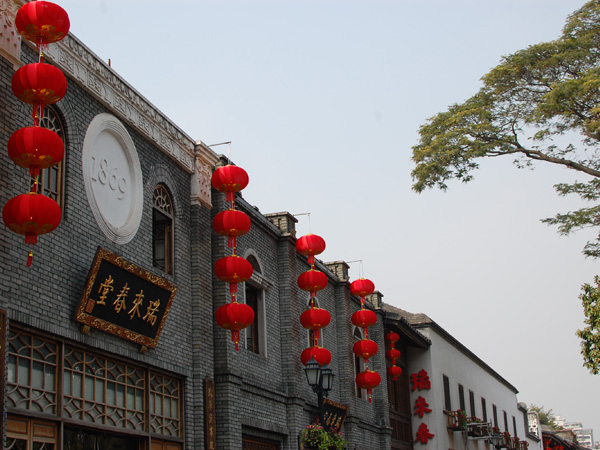
For optimal visiting times, choose mornings or evenings. Mornings offer fewer crowds and ideal lighting for photos, while evenings create a charming ambiance as the lanterns illuminate the streets. While the district itself is free to explore, some historic residences and exhibition halls require separate admission tickets, though combined passes are available. Comfortable shoes are recommended due to the prevalence of cobblestone paths. If time permits, extend your journey to nearby West Lake Park or Wushan Hill for a more enriched itinerary.
Rail + City Transportation
High-Speed Rail/Train Stations
From Fuzhou Station: Take a taxi for about 15–20 minutes; or transfer via bus/subway.
From Fuzhou South Station: Take Subway Line 1 directly to Dongjiekou Station, then walk to Sanfangqixiang.
🚇 Subway (Fast and Affordable)
Fuzhou Metro Line 1 is the most convenient option:
Dongjiekou Station (Recommended): Exit via C/D and walk about 8–10 minutes to Sanfang Qixiang.
Alternatively, get off at Nanmendou Station (Line 1 or some Line 1/2 transfer routes), then walk.
The subway is the most hassle-free local option, especially if you're unfamiliar with the area or wish to avoid rush hour.
🚍 Bus
Multiple bus routes stop near Sanfang Qixiang, offering economical fares but slower travel times. Check real-time schedules.
🚕 Taxi & Ride-Hailing
Taxis and ride-hailing services like Didi are widely available in Fuzhou, providing convenient direct access to Sanfang Qixiang from anywhere in the city.
🚗 Chartered Vehicles / Car Rental (More Flexible & Comfortable)
For groups, elderly travelers, or those seeking hassle-free travel, chartered vehicles or car rentals are excellent options. Fuzhou city center has several reputable rental companies offering pickup/drop-off services, full-day charters, or hourly rentals (typically including driver and fuel costs).
A 150-year-old time-honored brand, its wonton skin is made by pounding pork leg and sweet potato flour for hours, thin as cicada wings, with fresh and tender filling. It’s a national intangible cultural heritage snack.
One of Fuzhou’s “Three Treasures”, handmade shark-skin fish balls with chewy texture and bursting juice. The “Five Blessings” set meal is highly recommended.
Famous for silky peanut soup with soft peanuts, also serves local snacks like dingbianhu (rice pancake soup) and taro paste.
A high-quality Fujian cuisine restaurant with elegant Chinese-style decoration. Signature dishes include deep-fried pomfret with rice wine lees and iced pork knuckle.
Specializes in laohua (Fuzhou-style hot pot) with broth simmered for 12 hours, plus fragrant peanut butter noodles.

 English