Your China & Yunnan Travel Experts

 Ask a Question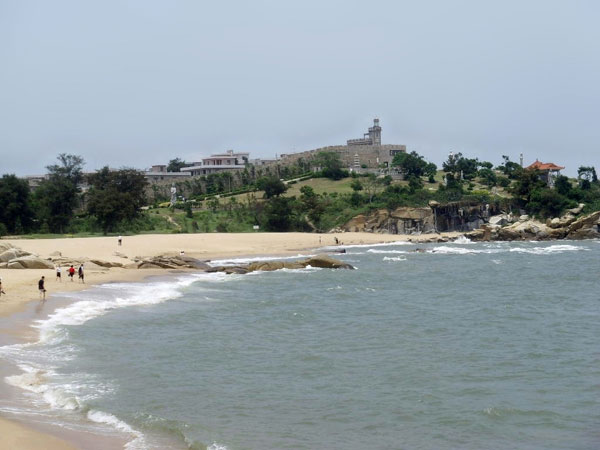
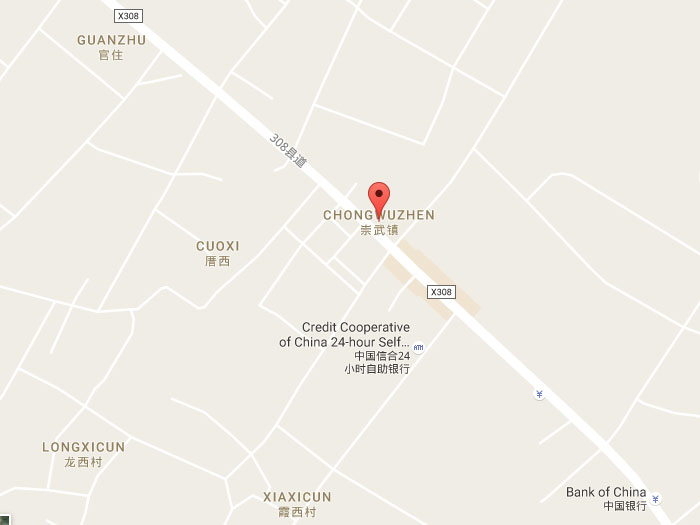
Chongwu, Hui'an Prefecture,Quanzhou City, Fujian Province.
Some ancient architecture of Song Dynasty are kept in it.
Chongwu is located in the southeast coast of salient place of Fujian province, three sides facing the sea, and connect to the land in the west, the terrain from mountain, winding ups and downs, and it is very spectacular. It is sandwiched between Meizhou Bay and Quanzhou bay. Nearby is waters spread around the islands and reefs, complex terrain, where is easy to keep but difficult to attack, is a very significant strategic position defense fortress.
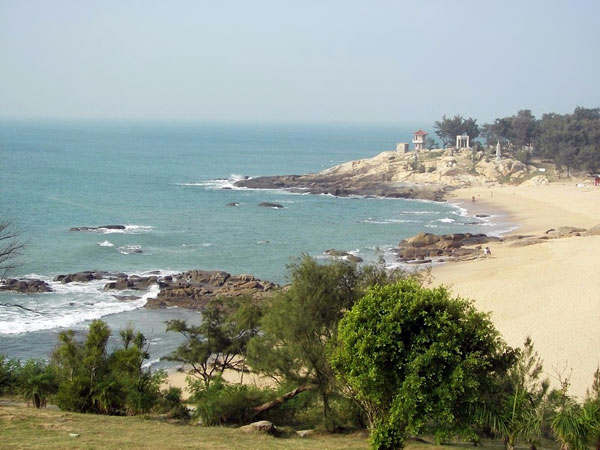
Chongwu Coast is one of the most picturesque areas along Fujian’s southeastern coastline. Along its shore, there are 12 charming golden sand beaches, dotted with rocky reefs of various shapes. One of its most striking natural features is how dramatically the scenery changes during sunset, when the coastline is bathed in warm, golden light, creating an almost artistic masterpiece of nature.
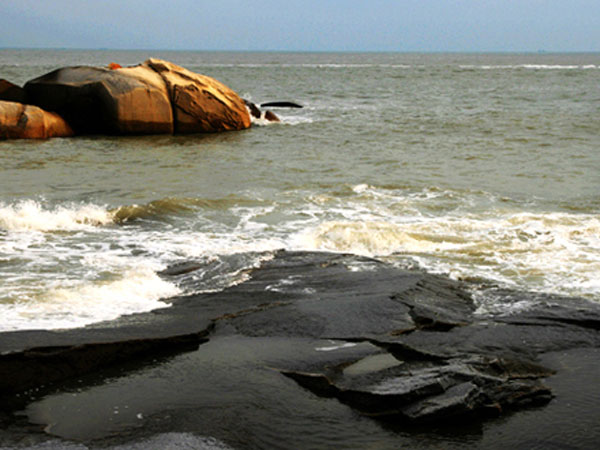
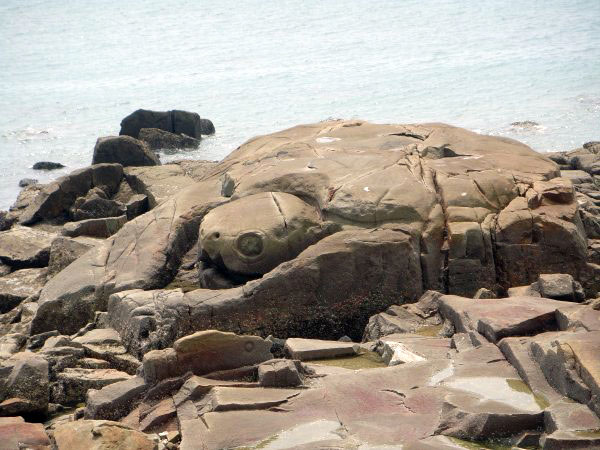
Among the region’s most famous scenic spots are Half Moon Bay and Silver West Sand, both natural bathing beaches perfect for swimming and relaxation. On the edge of the coast, rock formations such as “Turtle Swimming” rise from the waters, and the area’s colorful conch shells, skerries, and the “Crane Heaven” further enhance its magical atmosphere. These natural features give visitors the sensation of walking into a fairyland, with the combination of sea, sand, and sky creating a serene and unforgettable experience.
Geographically, the Chongwu Peninsula is a salient coastal region with a mountainous terrain that winds its way down to the sea. The peninsula lies between Meizhou Bay and Quanzhou Bay, with nearby waters dotted by islands and reefs. Historically, its complex terrain provided both a natural defensive advantage and a strategic point for coastal defense, making it a site of significant historical importance.
One of the cultural highlights of Chongwu Coast is Chongwu Ancient City, the most complete granite coastal stone city remaining in China. Built during the Ming Dynasty, it served as a key defense fortress against Japanese invasions along the southeastern coast. Today, it is recognized as a national key cultural relic protection unit, drawing both history enthusiasts and casual tourists alike.
Historical Background
In 1387 (20th year of the Hongwu period, Ming Dynasty), Zhou Dexing constructed Chongwu Ancient City to protect the region from pirates and enemy invasions.
During 1558 (37th year of the Jiajing period), the city endured a six-day siege, suffering significant casualties and property loss. This event led to a fundraising-driven overhaul of the city.
In 1567 (first year of the Longqing period), Fujian commander Qi Jiguang, a national hero, stationed troops here, establishing a complete military system and defense facilities.
The city underwent further large-scale repairs during the Qing Dynasty, preserving its formidable coastal defense design for posterity.
Visiting Chongwu Ancient City, tourists can walk along the granite walls, explore ancient gates and bastions, and immerse themselves in the stories of past military campaigns. The combination of historical architecture and seaside views makes it one of the most unique heritage destinations in Fujian.
Chongwu Coast is well-connected to nearby urban centers, making it accessible for both domestic and international tourists.
By Passenger Bus (Recommended)
Tourists can take a bus from Xiamen to Chongwu Ancient City, departing from Conifers Bus Station and stopping at Jimei Bus Station. The first bus departs at 6:40 AM, followed by departures every hour, with a travel time of approximately 2 hours and 20 minutes. The fare is around RMB 42.
Return buses depart from Chongwu until 5:20 PM, with the previous bus at 4:20 PM, costing RMB 40.
By Motorcycle/Local Transport
For the last leg within Chongwu town, visitors may hire a motorcycle taxi, which costs around 5 RMB for two passengers and takes 3–5 minutes, providing quick access to the ancient city and beaches.
By Private Car
For greater flexibility, a private car or taxi from Xiamen or Quanzhou is recommended. This allows for multiple stops along the coastline, convenient luggage transport, and easier access to the more remote beaches.
Spring and autumn are ideal for comfortable temperatures, while summer allows for beach activities. Winter is cooler but can provide dramatic waves and quiet scenery.
Bring light, breathable clothing for summer, a hat and sunscreen to protect against strong UV rays, and warmer layers in spring or autumn mornings and evenings.
Sunrise and sunset provide the best light for coastal photography, capturing reflections on the sand, tidal patterns, and rock formations.
Beaches may have slippery rocks and strong waves in certain areas, so caution is advised.

From on request

From on request

 English
