Your China & Yunnan Travel Experts

 Ask a Question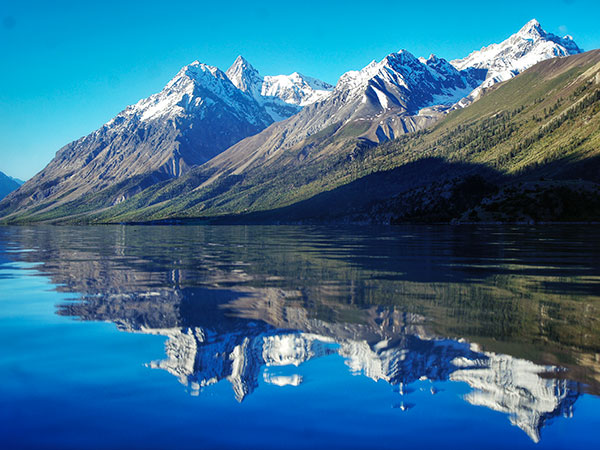
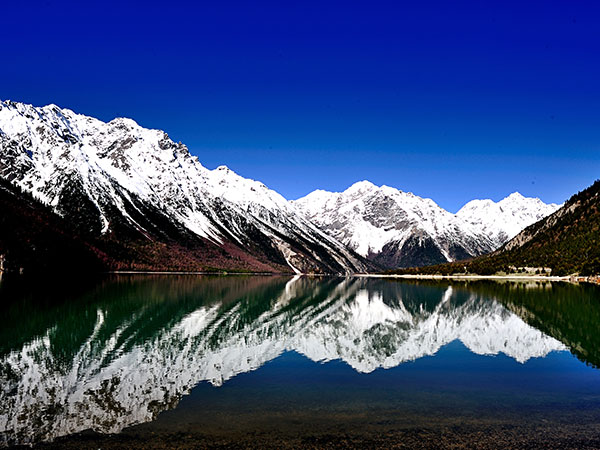
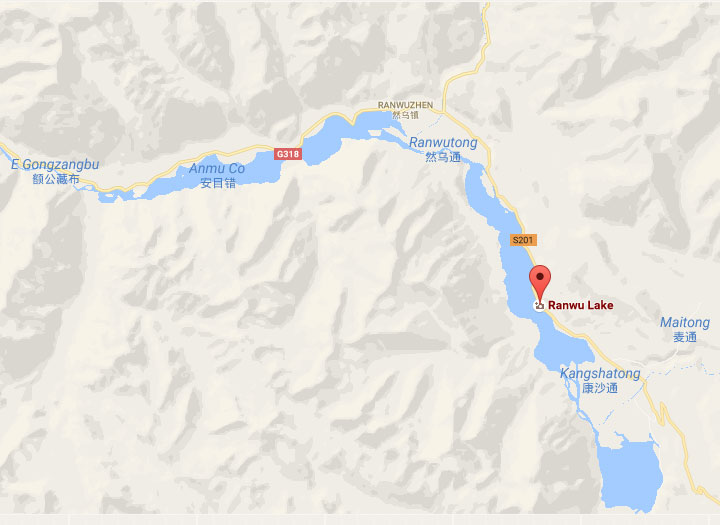
Ranwu County, 201 Provincial Rd, Baxiu, Chamdo, Tibet
The largest lake in Southeast Tibet
The Ranwu Lake is a perfect blending of the Swiss Alps snow peaks and glaciers and the streams in Jiuzhaigou Valley. Ranhu Lake, the largest lake in southeast of Tibet, is in the Village of Ran about 90km from the Baiba Town neighboring the Nyingchi Prefecture. The lake, 3,800m above the sea level, has a water area of 22 square kilometers.
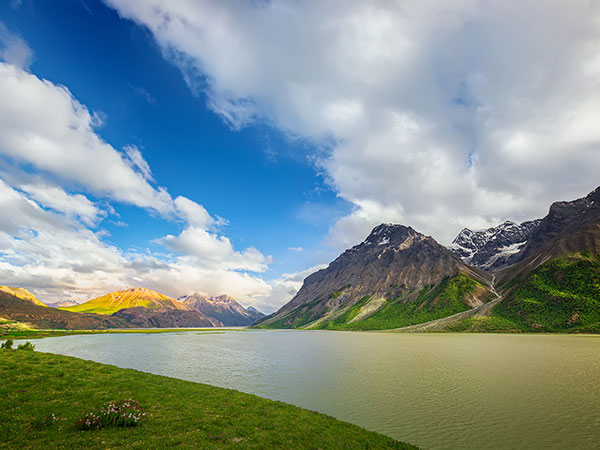
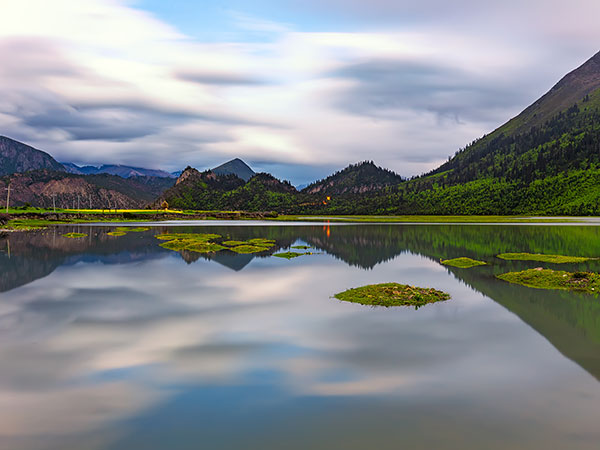
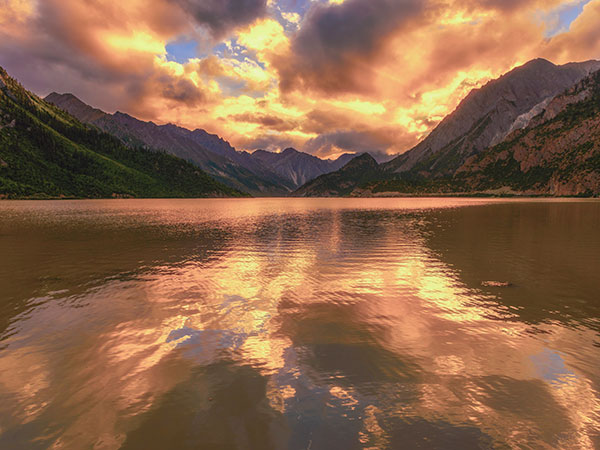
The Ranwu Lake is surrounded by many scenic spots such as the Gangrigabu Snow Mountain in the southwest, the Azhagongla Glacier in the south and the Bosula Peak in the northeast. The melted snow and ice supply the lake with sufficient water and are the source of many rivers such as Yaluzhangbu. The green grassland around the lake, the sky-blue lake water and the white snow mountains constitute a very pretty watercolor. The Amucuo Lake shrinks westwards and finally became a river valley. Its water takes on different colors in different seasons of a year and the water surface is dotted with isles or reefs.
Many of the peaks surrounding Ranwu Lake are over 5, 000m high and thus permanently locked with glaciers. The foot of these peaks, however, is green with pines and cypresses. Ranwu Lake is especially womanish and tranquil in the arms of the peaks, whose beauty goes beyond words. The browsing herds of cattle and sheep, the barley paddy, bean and cabbage field form an oil painting that can be seen no elsewhere.
Ranwu Lake is the largest lake in eastern Tibet. With only 0.3g of salt per liter of water, Ranwu Lake has a low salinity. It is a freshwater lake with a low water temperature, which varies from 6.6℃ to 15.4℃ in summer and freezes in winter. Ranwu Lake is located in Ranwu Town, Basu County, Chamdo City, which is 90 kilometers away from Basu County.
About 200 years ago, the mountain near the exit of Ranwu Lake collapsed, and a large number of boulders and broken rocks blocked the river course, thus forming a typical dammed lake. Therefore, it is in a long and narrow strip shape, with a length of 29 kilometers and an average width of less than 1 kilometer and an average water depth of less than 6 meters. The total area of Ranwu Lake basin is 22 square kilometers, and the lake surface is 3,850 meters above sea level. In addition to precipitation recharge, the melting water of snow and ice around the snow-capped mountains constitutes the main recharge source of Ranwu Lake. Because Ranwu Lake can still flow out, the lake water pours westward to form the source of Palong Zangbo, an important tributary of Yarlung Zangbo River, a famous river in Tibet.
Sections of Ranwu Lake
Ranwu Lake is divided into upper, middle and lower sections, each section is connected by a narrow river, and there are large areas of farmland and villages interspersed among them. Although Ranwu Lake is narrow, long and segmented, it is still a complete lake.
Upper Ranwu Lake, also known as Yangcuo Lake, is regarded as the most special section by the local people. It is said that there are often water monsters in the lake.
Middle Ranwu Lake, also known as Bangcuo Lake, is the largest section of the whole Ranwu Lake, which is next to Rancha Highway(Ranwu-Chayu National Highway 559), and you can also cross the river from Ranwu Village to Ari Village to enjoy the beautiful scenery of the lake.
Lower Ranwu Lake is also known as Leng’an Jiabu Lake, and Luwang Jiebu Island in Lower Ranwu Lake is an important place for people in Waba Village to hold sacrifices and pray for blessings every year. The Dragon King Temple on the island has a long history and is quite mysterious. Because of the local customs, no woman has set foot in this mysterious place so far. Ranwu Lake and Duoji Zengzha Mountain are beautiful, which is also a paradise for photographers.
Wonderful Natural Scenery
Ranwu Lake is surrounded by high and steep mountains, and many peaks above 5,000 meters above sea level have glaciers. The hillside near the lake at the foot of the mountain is covered with lush coniferous forest such as pine and cypress, flocks of cattle and sheep on the green grass by the lake, and patches of farmland with crops such as highland barley, peas and rape dotted among them, forming a unique magnificent landscape of the Qinghai-Tibet Plateau and an idyllic charm of Tibetan areas. Visiting the Ranwu Lake, you will get close to the nature and fully appreciate the elegant demeanour here, which makes you feel relaxed and happy.
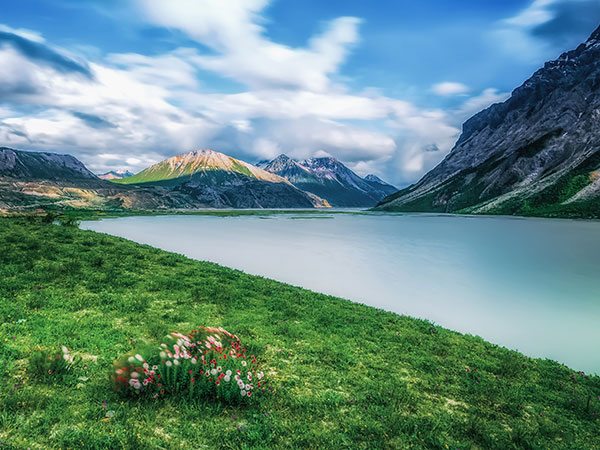
The best time to visit Ranwu Lake will depend on the scenery and experience you prefer.
In spring(March to May), the water in the Ranwu Lake is blue and crystal. And the wildflowers on the grasslands by the lake make the lake more beautiful and colorful. And the reflection of the snow mountains on the clam surface of the Ranwu Lake is charming.
In autumn(September to November), the water in the Ranwu Lake is clearer than other time, and the wonderful natural view by the lake are reflected on the Ranwu Lake, which is pure and attractive.
Ranwu Lake in winter(December to March) is silent and peaceful. And Ranwu Lake may be frozen in winter. Ranwu Lake is a white world in winter with frozen lake, snow-capped mountains and glaciers, where you can fully feel the charm of the snow and ice. And if you are lucky, you can see the stunning sunrise on the snow mountains surrounding the Ranwu Lake.
There are famous scenic spots such as Renlongba Glacier, Yaze Wetland, Duosangcuo Lake and Laigu Glacier Group. Laigu Glacier Group is the largest and widest glacier known in Tibet, and it is the collective name of six glaciers such as Meixi Glacier (Death Glacier), Yalong Glacier, Ruojiao Glacier, Dongga Glacier (White Conch Glacier), Xiongjia Glacier and Niuma Glacier. It belongs to the modern marine valley glacier landform and is one of the three major marine glaciers in the world.

 English