Your China & Yunnan Travel Experts

 Ask a Question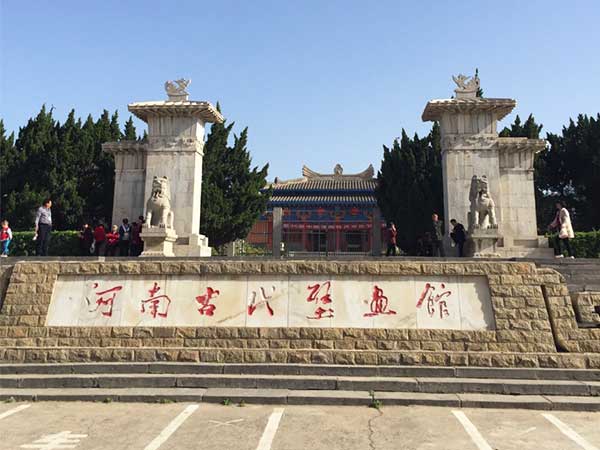
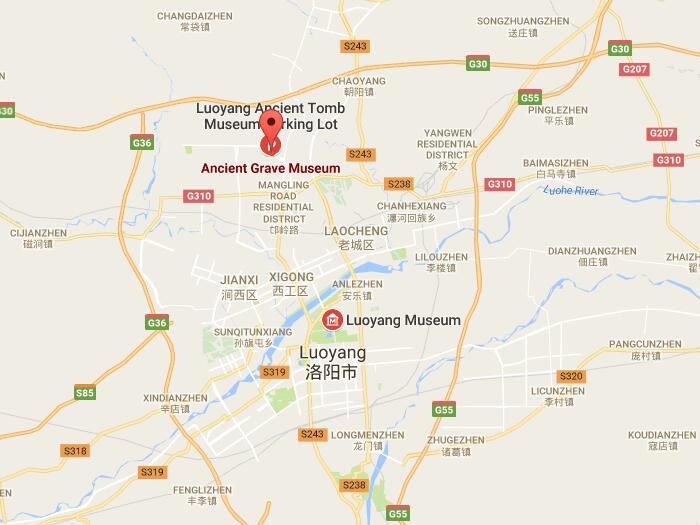
45 Airport road, Luoyang, Henan Province, China
A museum presenting Chinese ancient tombs; perfect site to learn funeral etiquettes in old China
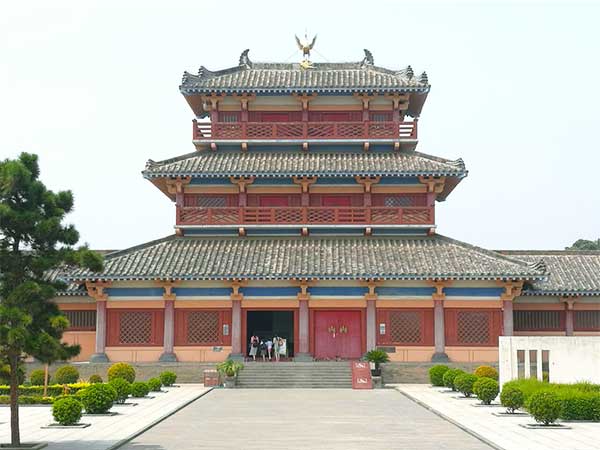
Luoyang Museum of Ancient Tombs, located at No. 6 Airport Road in the old city district of Luoyang, Henan Province, is a large-scale comprehensive museum dedicated to ancient Chinese tombs. It integrates imperial mausoleums, ancient tombs, burial relics, stone carvings, murals, and brick sculptures. The museum is divided into three major exhibition sections: the Ancient Tomb Culture Exhibition, which showcases the funeral beliefs of “treating death as life” through pottery stoves, pottery houses, and other burial items; the Typical Tombs of Luoyang, featuring life-sized reconstructions of significant tombs such as the Western Han mural tomb of Bu Qianqiu and the Northern Wei tomb of Yuan Zhao; and the Exhibition of Henan Ancient Murals, displaying masterpieces such as the Han Dynasty Heavenly Realm Mural and Tang Dynasty Lady Paintings, representing underground art across millennia.
The museum was founded in 1984 and officially opened to the public in 1987, initially relocating and restoring 22 ancient tombs. From July 2020 to September 2022, the museum underwent a comprehensive renovation and enhancement project, which optimized exhibition layouts, added a mural protection and restoration section, and improved immersive experiences. After its grand reopening in September 2022, it was awarded the title of National First-Class Museum in May 2024.
The exhibitions are divided into three main thematic sections:
1. Splendid Burial Culture – Collection of Luoyang Tombs through the Ages
This section includes three subsections: This Shore and the Other – Ancient Tomb Culture Exhibition, Heluo Relics – Typical Tombs of Luoyang, and Underworld Eternity – Exhibition of Henan Ancient Murals. Together they illustrate the evolution of burial culture from the Western Han to the Song and Jin Dynasties.
2. Northern Wei Imperial Mausoleums in Luoyang
Centered on the Jingling Mausoleum of Emperor Xuanwu, this exhibition reveals the architectural and ceremonial systems of the Northern Wei imperial tombs in Luoyang.
3. Chronicle of Brick Reliefs – Song and Jin Brick Sculpture Exhibition
This section displays 106 pieces of Song and Jin sculpted bricks, vividly depicting the daily life, spiritual pursuits, and artistic aesthetics of the Central Plains during that time.
• Jingling Mausoleum of Emperor Xuanwu (Northern Wei Dynasty):
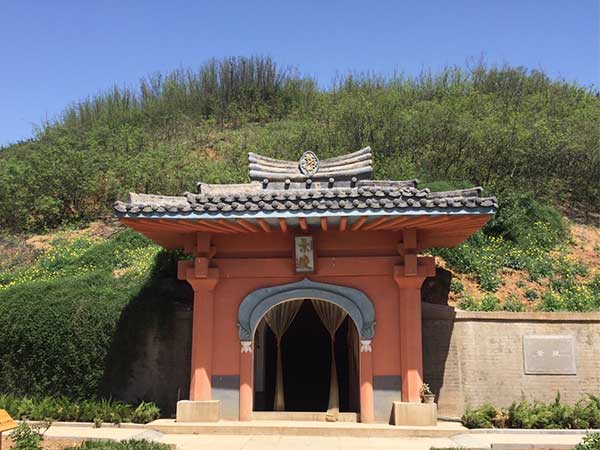
The second scientifically excavated imperial tomb approved by the Chinese government after the founding of the PRC. Its unique structure demonstrates the burial system of the Northern Wei royal family.
• Joint Tomb of An Pu and His Wife (Tang Dynasty):
A well-preserved Tang tomb untouched by robbers, where exquisite Tang sancai (tri-colored pottery) and other treasures were unearthed. The tomb owner, An Pu, came from the ancient Western Regions kingdom of An (modern Uzbekistan). The discovery of Eastern Roman gold coins in this tomb evidences active Silk Road trade.
• Mural Tomb of Bu Qianqiu (Western Han Dynasty):
The murals depict the tomb owner and his wife riding a dragon and phoenix ascending to immortality — a representative masterpiece of Han Dynasty mural art, recognized as a national treasure.
• Tomb of Song Silang (Northern Song Dynasty):
An octagonal brick-chambered tomb with vivid murals portraying banquet scenes, filial stories, and daily life, offering valuable insights into Song-era society and aesthetics.
Mural Conservation and Research
The museum houses a Mural Conservation Center, serving as a key research base for the protection of ancient murals in Henan Province. Experts here have successfully detached and restored murals from various dynasties. The murals cover diverse subjects such as mythology, history, portraits, and landscapes, vividly reflecting the changing social realities and aesthetic ideals across centuries.
The museum offers a popular night program titled “Ancient Tomb Exploration: Whispers Through a Thousand Years.” Visitors carry lanterns deep into the underground tomb chambers, guided by interactive actors and live performances that bring history to life. The experience includes segments like The Secret History of Northern Wei stage show, Tomb Story Theater, and Mural Puzzle Challenge. Participants can solve riddles to win collectible “silver notes” exchangeable for souvenirs, or unlock hidden storylines through cultural blind boxes. The night tour (typically from 19:00 to 22:30) creates a mysterious yet artistic ambiance, enhanced by atmospheric lighting and historical storytelling.
Admission: Free entry with online reservation. A separate ticket (198 RMB) is required for the night tour.
Option 1: By Metro and Bus
From Luoyang Longmen Railway Station or Luoyang Railway Station, take Metro Line 2 (toward Erqiao Road) → get off at Mangling Station, Exit D → walk about 100 meters (11 minutes) → take Bus No. 83 at Wangchaoling South Stop (toward Hengshan Road, Airport Road direction) → get off at Luoyang Museum of Ancient Tombs.
Option 2: By Taxi or Ride-Hailing App
Simply enter “Luoyang Museum of Ancient Tombs” in your navigation app.
For a more in-depth and convenient experience, private car hire or guided tours are highly recommended to better appreciate the region’s rich tomb culture.
From $ 300

 English