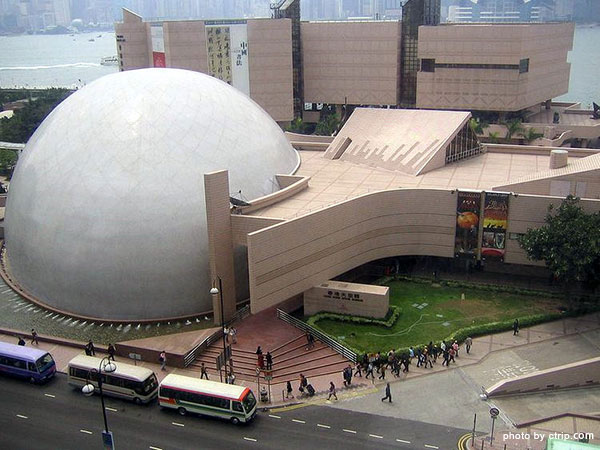
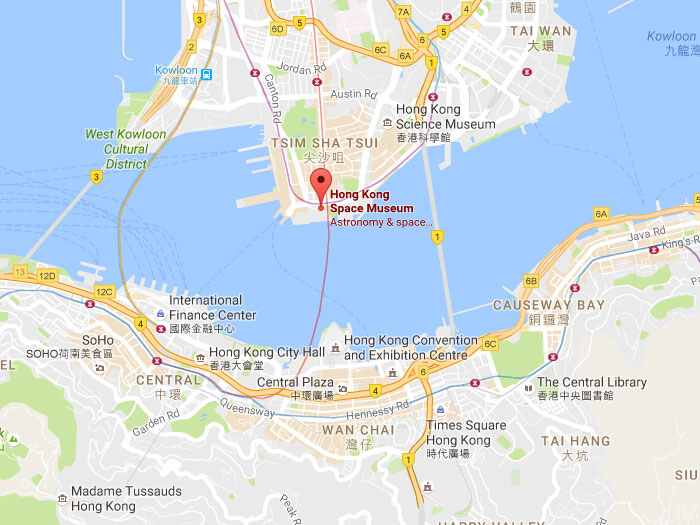
Located in Tsim Sha Tsui, Kowloon Peninsula, Hong Kong Space Museum is one of leading planetariums in Asia. It is next toHong Kong Museum of Art and HK Cultural Centre. The museums started the construction work in 1977. and it was completed in 1980 with an area of about 8,000 square meters. It is a science-based astronomy museum in Hong Kong to promote astronomy and space knowledge and is one of Space and Science Centers with the most advanced equipment in the world. The museum is divided into two areas: the East Wing and West Wing. The East Wing with egg-shaped dome is the planetarium's core hosting the Space Theatre and the Hall of Space Science; the West Wing comprises the lecture Hall, the Hall of Astronomy and a gift shop.
Core Experience & Must-See Attractions
The museum is divided into East Wing and West Wing, each offering unique immersive experiences:
1. Stanley Ho Space Theatre
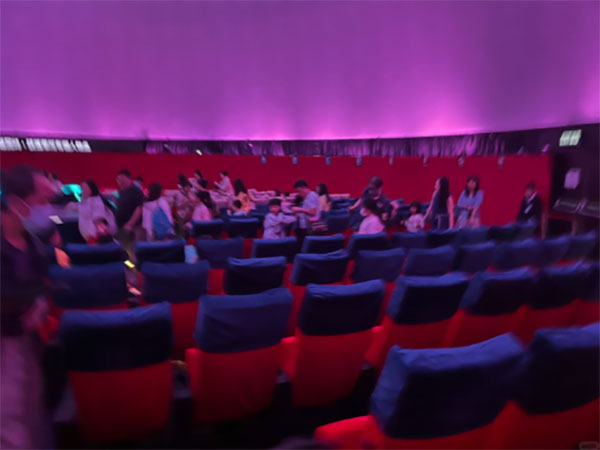
The centerpiece of the East Wing’s iconic egg-shaped dome, the Stanley Ho Space Theatre (officially named in 2004 to honor philanthropist Stanley Ho’s contributions) underwent a transformative upgrade in 2021, solidifying its status as one of the world’s top planetarium facilities. Boasting a 23-meter diameter nano-seam dome screen—eliminating visible seams for a seamless immersive experience—and state-of-the-art 8K digital projection systems, it delivers breathtaking 3D fulldome shows that transport audiences to the farthest reaches of the cosmos. The theatre’s advanced sound system, featuring 5.1 surround sound, further enhances the sensory journey, making every show feel like a real-space adventure. Key highlights include
- Star projection apparatus that simulates over 8,000 stars, the Moon, and five planets onto the hemispherical dome.
- 2025 featured shows: T. rex (a 28-minute dinosaur-themed adventure) and Arctic 3D: Our Frozen Planet (a 42-minute documentary exploring the Arctic ecosystem).
- First fully automatic control system of its kind globally, ensuring seamless show operations.
2. Exhibition Halls
Renovated in 2018 to modernize its offerings and enhance interactivity, the museum’s two main exhibition halls cover over 1,600 square meters combined, featuring a mix of permanent displays and rotating installations that cater to both casual visitors and dedicated space enthusiasts. Each hall is designed with accessibility in mind, including multilingual signage (English, Cantonese, and Mandarin) and facilities for visitors with disabilities:
- Hall of the Cosmos (East Wing)
- Focuses on the origins and evolution of the universe, with exhibits that break down complex astrophysical concepts into engaging, easy-to-understand displays. Highlights include a life-sized model of a black hole, interactive touchscreens explaining galaxy formation, and a "Big Bang Theater" that uses animation to depict the first moments of the universe. The hall also features a collection of meteoritesamples, allowing visitors to touch pieces of space rock that have traveled millions of miles to Earth.
- Hall of Space Exploration (West Wing)
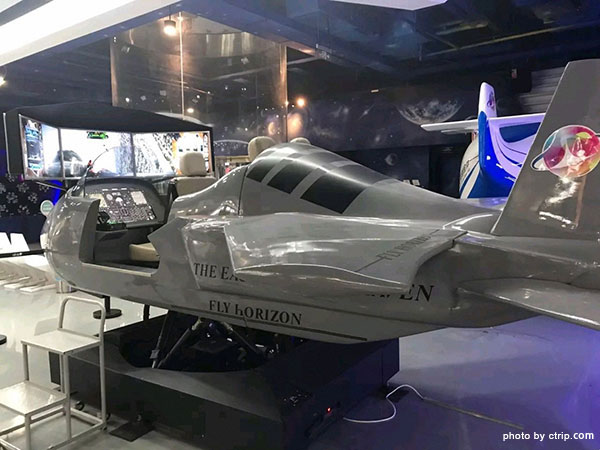
Takes visitors on a journey through humanity’s quest to explore the stars, showcasing life-sized replicas of iconic spacecraft like the Apollo 11 command module and China’s Shenzhou spacecraft. The hall’s interactive exhibits steal the show—visitors can test their skills at docking a simulated space station, experience the feeling of walking on the Moon with reduced-gravity platforms, and even try on replica astronaut suits. A dedicated section on Mars exploration features models of rovers like Curiosity and Perseverance, along with updates on the latest missions to the Red Planet.
3. 45th Anniversary Special Exhibition (2025)
To mark its 45th anniversary in 2025, the museum is hosting a special exhibition titled "Celebrating the 45th Anniversary: The 'Pineapple Bun' Under the Starry Sky", running from April 11 to October 27. Located in the museum’s spacious lobby, this free-admission exhibition offers a nostalgic look back at the institution’s history, featuring a curated collection of rare historical photos—including shots of the dome’s construction and early visitor experiences—and a detailed Lego replica of the museum that took over 500 hours to build. Interactive storytelling stations share anecdotes from staff and long-time visitors, while a "Future of Space" section invites guests to share their predictions for the next 45 years of space exploration. The exhibition also includes a pop-up corner where visitors can create their own space-themed crafts, making it a hit with families.
Top 5 Things to Do
- Watch a 3D Fulldome Show at Stanley Ho Space Theatre
Experience the upgraded 23-meter nano-seam dome screen with immersive shows like T. rex or Arctic 3D: Our Frozen Planet—the star projection system brings 8,000+ celestial bodies to life.
- Explore Interactive Exhibits in Hall of Space Exploration
Engage with over 100 hands-on displays, including simulated zero-gravity experiences and spacecraft replicas, to dive into human space exploration history.
- Visit the 45th Anniversary Special Exhibition (2025)
Check out the free lobby exhibition (April-Oct 2025) featuring rare museum photos, a Lego replica of the "pineapple bun" building, and its Tsim Sha Tsui development stories.
- Learn Cosmic Mysteries at Hall of the Cosmos
Discover the Big Bang, black holes, and galaxy formation through educational exhibits designed for all age groups in the East Wing.
- Join the Young Astronaut Training Camp (2025)
For ages 10-16, register in June 2025 for this immersive program—gain hands-on航天 training and space science knowledge (limited spots).
Booking and Ticketing Information
1. How to Book
Advance booking is strongly recommended for space theatre shows and special programs, especially during weekends and public holidays. Booking channels include:
- Online Booking: Via the official Hong Kong Space Museum website (available 30 days in advance, 24/7).
- Phone Booking: Call the URBTIX hotline at +852 2111 5999 (10:00-18:00 daily, except public holidays).
- On-Site Booking: Ticket counters at the museum entrance (subject to availability; opens 30 minutes before opening time).
2. Ticket Prices (2025)
|
Category
|
Space Theatre (3D Show)
|
Exhibition Halls (Free Entry)
|
|
Adults (18-59)
|
HK$40
|
Free |
|
Seniors (60+)/Students/Disabled
|
HK$15
|
Free |
|
Children under 4
|
Free (must be accompanied by an adult)
|
Free |
Note: Tickets are non-refundable and non-exchangeable. Show tickets include access to exhibition halls on the same day.
How to get there?
- MTR (Recommended): Take the Tsuen Wan Line to Tsim Sha Tsui Station (Exit E): Upon exiting, follow signs to Salisbury Road—about a 3-minute walk. Cross the road using the pedestrian subway (clearly marked with "Hong Kong Space Museum" signs) to avoid traffic, then stroll along Salisbury Garden for another 2 minutes until you reach the museum’s entrance.
- Take the West Rail Line to East Tsim Sha Tsui Station (Exit J): This is the most direct route—exit the station and turn left onto Austin Road, then take the first right onto Salisbury Road. The museum is visible ahead in just 3 minutes, with bright signage guiding the way.
- Bus: Take bus routes 1, 1A, 2, 5, 5C, 6, 7, 8, 8A, 8P, 9, or 26 to the "Tsim Sha Tsui Star Ferry" bus stop. From there, walk north along Canton Road for 2 minutes, then turn left onto Salisbury Road— the museum is a 3-minute walk ahead.
- Star Ferry: For a scenic approach, take the Star Ferry from Central or Wan Chai to Tsim Sha Tsui Star Ferry Pier. Disembark and walk along the waterfront promenade (Avenue of Stars) for 8 minutes, then turn right onto Salisbury Road— the museum’s egg-shaped dome will come into view shortly.
Useful Tips
- Space theatre shows start promptly; arrive at least 15 minutes before the showtime for ticket verification.
- The Young Astronaut Training Camp 2025 (for ages 10-16) opens for registration in June 2025 via the official website—limited spots available.
- Food and drinks (except water) are not allowed in exhibition halls or the space theatre.
- Free Wi-Fi is available throughout the museum (SSID: "HKSpaceMuseum-FreeWiFi").
For the latest updates on programs and events, visit the Hong Kong Space Museum official website or follow their social media channels.

 Ask a Question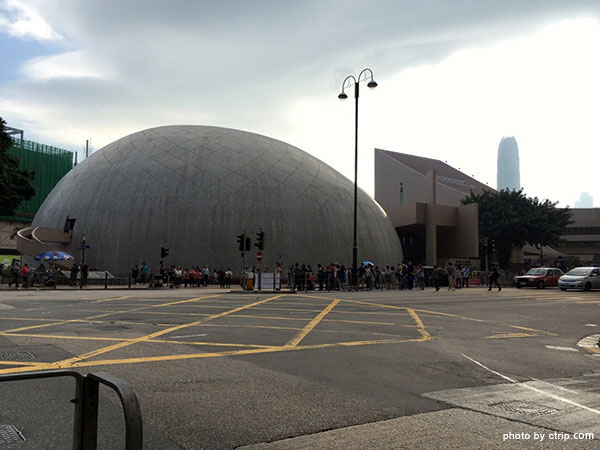


 English