Your China & Yunnan Travel Experts

 Ask a Question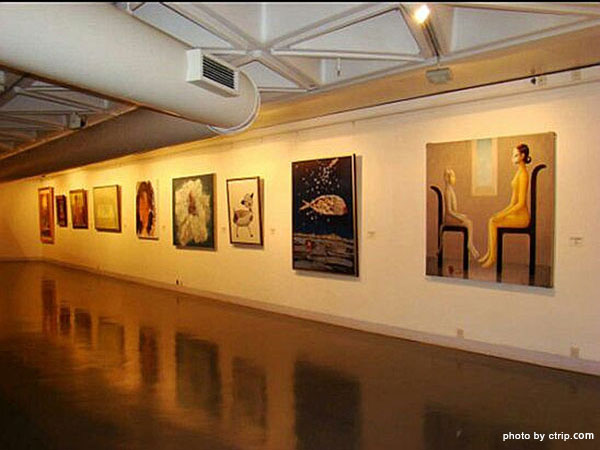
10 Salisbury Road, Yau Tsim Mong District, Kowloon, Hong Kong, China
The main art museum of Hong Kong
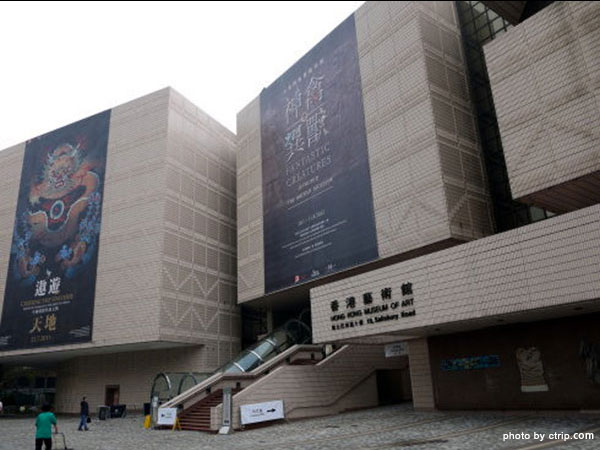
Perched on the Tsim Sha Tsui waterfront, the Hong Kong Museum of Art (HKMoA) is more than just a cultural institution—it’s a gateway to exploring Chinese art, local creativity, and global artistic dialogue. Its prime location places it right amid Hong Kong’s most iconic attractions, making it easy to weave a visit into a day of sightseeing. Whether you’re an art enthusiast or a casual traveler, the museum’s rich collections, thoughtful exhibitions, and stunning harbor views make it a must-visit in Tsim Sha Tsui.
The museum has a great value of art and history, and is famous by its display gallery, which provides more than 15,000 art items. It's one of the greatest collections of Chinese art in the planet. This collection includes Chinese paintings from ancient time and modern works, various calligraphy works of the best Chinese artists, Collection of antique Chinese treasures, Paintings of various Chinese historical artists and other art works. It also provides thematic displays from China and from different countries all over the globe. It's usually welcomed to guests from China and different nations of the globe.
1. Chinese Antiquities Gallery
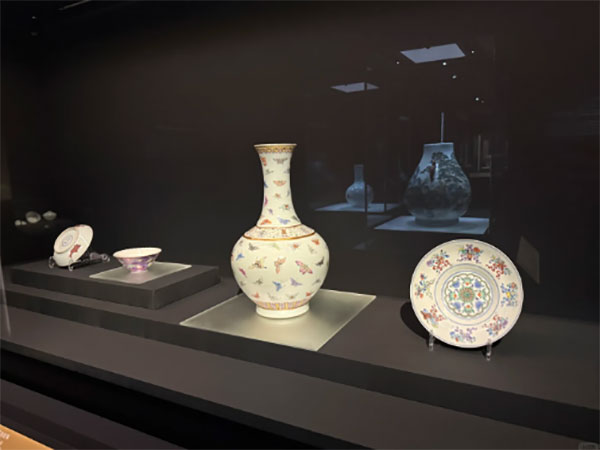
Found on the first and third floors, this gallery is a feast for lovers of ancient art. It showcases rare artifacts dating from the Neolithic period to the Qing Dynasty, including delicate jade carvings, intricate porcelain vases, and bronze vessels. Highlights include a Han Dynasty (206 BC–220 AD) jade burial suit fragment—crafted from thousands of tiny jade pieces sewn together with gold thread—and a Song Dynasty (960–1279) celadon bowl with a subtle, crackled glaze. The gallery also features a “touchable exhibit” area, where visitors can feel replicas of ancient pottery, helping even young guests connect with history.
2. Chinese Fine Art Gallery (Fourth Floor)
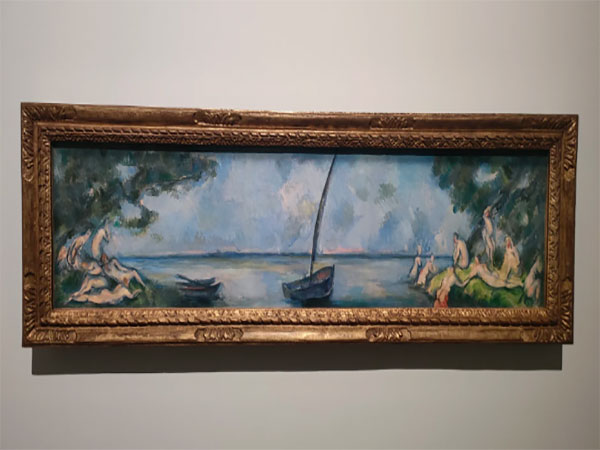
This gallery celebrates Chinese painting and calligraphy, spanning from ancient scrolls to modern works. It includes masterpieces from renowned artists like Wu Guanzhong—whose bold, colorful paintings blend Western abstract style with Chinese ink wash techniques—and collections from institutions like the “Xubaizhai” (a famous private collection of Chinese art). One standout is a Ming Dynasty (1368–1644) landscape scroll by Shen Zhou, where delicate brushstrokes depict misty mountains and winding rivers. The gallery also hosts rotating displays of contemporary Chinese artists, showing how traditional art forms evolve today.
3. Contemporary Hong Kong Art Gallery (Second Floor)
Dedicated to local talent, this space shines a light on Hong Kong’s unique artistic voice. It features works by artists who capture the city’s energy—from paintings of bustling street markets to mixed-media pieces exploring Hong Kong’s identity. For example, you might see a series of photographs documenting old Hong Kong neighborhoods (like Sham Shui Po) or a sculpture made from recycled materials, reflecting the city’s focus on sustainability. The gallery often hosts artist talks and workshops, giving visitors a chance to meet the creators behind the art.
The Hong Kong Museum of Art’s journey began in 1962, when it opened as the “Hong Kong Museum and Art Gallery” on the top floor of Hong Kong City Hall’s High Block. Back then, it shared space with historical artifacts, serving as a combined art and history museum.
In 1975, the institution split into two: the Hong Kong Museum of Art (focused on art) and the Hong Kong Museum (later renamed the Hong Kong Museum of History, focused on history and archaeology). The Art Museum stayed in City Hall, while the History Museum moved to Tsim Sha Tsui’s Star House. But as the Art Museum’s collection grew—thanks to donations from artists and collectors—it quickly outgrew its City Hall space.
After years of planning, the museum moved to its current waterfront home in 1991. Designed to blend with Tsim Sha Tsui’s cultural complex (alongside the Cultural Center and Space Museum), the new building was built with the harbor in mind—large glass windows let in natural light and frame views of Victoria Harbour. In 2019, the museum underwent a major renovation, expanding its exhibition space by 40% and adding modern facilities like a rooftop garden and interactive galleries, solidifying its status as a world-class art destination.
The Hong Kong Museum of Art is split into east and west wings, with four above-ground floors and one basement—all connected by wide corridors and elevators. The total floor area spans 17,530 square meters, with 6,019 square meters dedicated to exhibitions—plenty of space to explore without feeling overwhelmed.
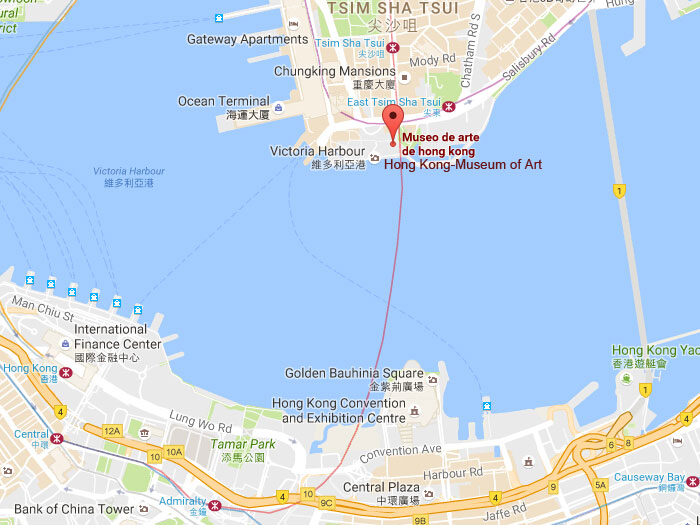
MTR (Most Popular): Take the Tsuen Wan Line or East Rail Line to Tsim Sha Tsui Station. Exit via Exit E, then cross Nathan Road at the pedestrian crossing. Walk along Salisbury Road for about 150 meters—you’ll see the museum’s glass facade ahead. The whole journey from the station takes just 5 minutes.
Star Ferry (Scenic Route): For a more memorable trip, take the Star Ferry from Central or Wan Chai (Hong Kong Island) to Tsim Sha Tsui Star Ferry Terminal. The ferry ride takes 10–15 minutes and offers stunning harbor views. From the terminal, it’s a 2-minute walk west along Salisbury Road to the museum.
Bus: Several buses stop near the museum, including routes 1, 2, 5, 5C, 8, 8A, 26, and 41A. Alight at the “Hong Kong Cultural Centre” or “Salisbury Road” stop, then walk 1–3 minutes to the museum.
Taxi/Uber: Taxis are readily available across Hong Kong—tell the driver “Hong Kong Museum of Art, Tsim Sha Tsui” for a direct ride. From Central, the trip takes about 20 minutes (depending on traffic) and costs around HK$80–120.
From on request
From on request
From on request

 English