Your China & Yunnan Travel Experts

 Ask a Question
Updated: 2026-01-30
November in China marks a distinct transition from the golden warmth of autumn to the crisp coolness of winter, a month where nature bids farewell to its colorful foliage and the air becomes increasingly fresh and invigorating. As the northern hemisphere tilts further away from the sun, daylight hours shorten, and temperatures gradually drop across the entire country, creating a diverse range of weather conditions that vary dramatically from north to south. Despite the cooling trend, November remains one of the most underrated and pleasant months for travel in China—with fewer crowds than the peak summer and autumn seasons, clear blue skies dominating most regions, and a unique charm that blends the last traces of autumn with the first hints of winter.
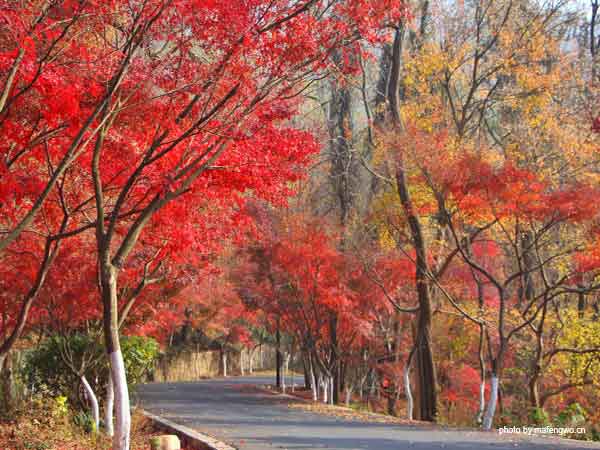
Northern China includes major cities like Beijing, Harbin, Shijiazhuang, and Xi’an. This region has a temperate continental climate, so November brings significant cooling—days are mild but crisp, and nights drop to near or below freezing. By late November, snow is possible in Harbin and other northern cities, setting the stage for winter festivals. This is a great time to visit if you enjoy cold weather, festive preparations, and quiet sightseeing.
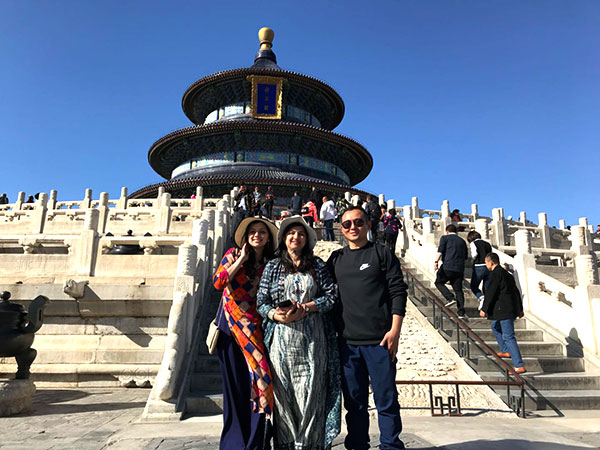
Recommended Destinations & Tourist Tips:
Beijing: November is a quiet time to visit Beijing’s iconic attractions, like the Great Wall, Forbidden City, and Summer Palace. The crowds are minimal, and the crisp, clear air offers great photo opportunities—just be prepared for cool weather. Early November may still have a few traces of autumn foliage in Fragrant Hills (Xiangshan Park), but by mid-November, the leaves will have mostly fallen. Evenings are cold, so pack a warm jacket, scarf, gloves, and hat. The Great Wall can be windy in November, so add a windbreaker or thick sweater for extra warmth. Don’t miss the chance to try hot pot—Beijing’s cold weather is perfect for this hearty, spicy meal.
Harbin: November is the start of Harbin’s winter season, and the city begins preparing for its famous Ice Lantern Festival (which officially opens in late December). While the festival isn’t fully open yet, you’ll see ice sculptors hard at work, creating massive, intricate sculptures that hint at the winter magic to come. The weather is cold—bundle up with a heavy down jacket, thick gloves, a wool hat, and thermal underwear. Even with warm clothing, limit your time outdoors in the evenings to avoid the bitter cold. Visit Zhaolin Park, where the Ice Lantern Festival is held, to see the preparations and take photos of the early ice sculptures.
Xi’an: Xi’an’s November weather is milder than Beijing and Harbin, with daytime temperatures around 10°C (50°F) and nighttime lows around 0°C (32°F). This is a perfect time to explore the Terracotta Army, ancient city wall, and other historic sites without the summer heat or autumn crowds. The air is clear, so you’ll get great photos of the Terracotta Army and the city skyline. Rent a bike to ride around the city wall—wear warm clothing, as the breeze can make it feel colder. Try local winter snacks like baked sweet potatoes and hot congee to stay warm.
Eastern and Central China includes Shanghai, Nanjing, Hangzhou, and Huangshan. This region has a subtropical monsoon climate, so November brings mild temperatures that gradually cool as the month progresses. Early November still holds onto the last traces of autumn foliage, while late November feels more like winter, with cool winds and crisp air. This is a great time to explore urban attractions and mountain landscapes without the summer crowds.
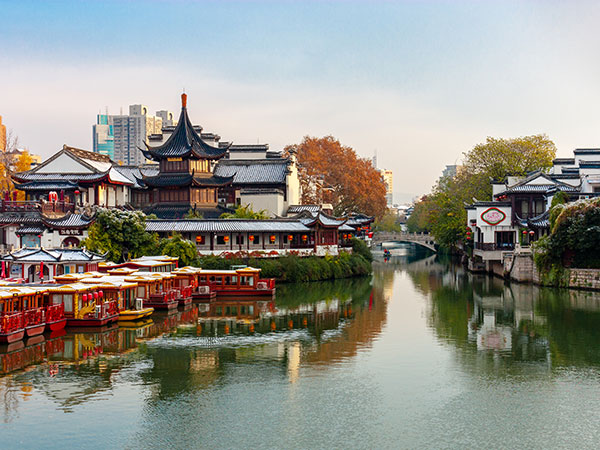
Recommended Destinations & Tourist Tips:
Shanghai: November is a lovely time to visit Shanghai. The Bund, Nanjing Road, and Yu Garden are all enjoyable in the cool, crisp weather, and the city’s parks (like Fuxing Park and Century Park) still have a few traces of autumn foliage in early November. Shanghai Disneyland is quiet in November, with shorter wait times for rides and comfortable weather for a full day of fun. Evenings are cool, so bring a warm jacket or sweater. Don’t miss the chance to try Shanghai’s winter cuisine, like hot pot and shengjianbao (pan-fried dumplings), which are perfect for warming up on cool nights.
Nanjing: Nanjing’s historic sites, like the Ming Xiaoling Mausoleum and Presidential Palace, are beautiful in early November, with the last of the autumn leaves creating a picturesque backdrop. The weather is mild enough for all-day sightseeing, and the crowds are minimal. By late November, the city cools down, but the crisp air makes walking around the ancient city wall a pleasant experience. Visit the Confucius Temple in the evening—lights reflect off the Qinhuai River, and the cool night air adds to the romantic atmosphere. Bring a light jacket for early November and a heavier jacket for late November.
Huangshan (Yellow Mountain): Early November is the last chance to see Huangshan’s autumn foliage, with leaves turning golden and red before falling. The weather is cool and crisp, with average temperatures around 8°C – 15°C (46°F – 59°F) during the day and 3°C – 8°C (37°F – 46°F) at night. The mountain is less crowded in November, so you can hike the trails and enjoy the stunning views of granite peaks and pine trees without the summer crowds. By late November, temperatures drop further, and there’s a chance of light snow, which adds a magical touch to the landscape. Bring a warm jacket, gloves, and a hat—mornings are cold and misty. Stay overnight on the mountain to see the sunrise, but book your hotel in advance.
Southern China includes Guangzhou, Shenzhen, Xiamen, and Guilin (Guangxi Province). This region has a tropical monsoon climate, so November remains mild and comfortable, with warm days and cool nights. Unlike the north, southern China still feels like late autumn in November, with no snow and minimal cold. This is an ideal time to explore outdoor attractions, beaches, and local cuisine without the summer heat or humidity.
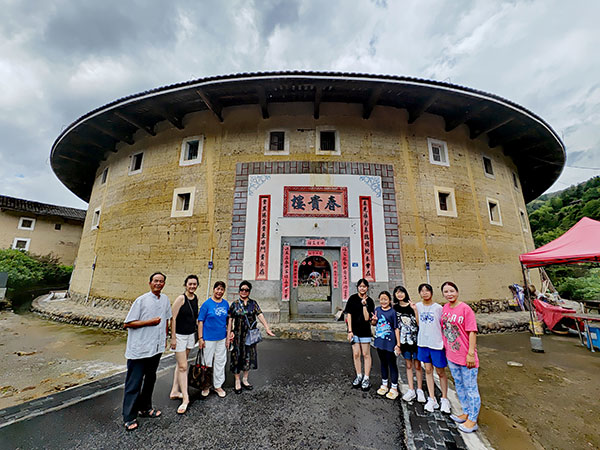
Recommended Destinations & Tourist Tips:
Xiamen: Xiamen’s beaches (like Gulangyu Island and Hulishan Beach) are still pleasant in November, with warm days (around 18°C/64°F) and cool sea breezes. While the water is too cold for swimming, it’s perfect for walking along the coast, sunbathing, or exploring the beachside parks. Gulangyu Island, a car-free island with colonial architecture and beautiful gardens, is quiet in November—you can wander around the cobblestone streets without crowds. Bring a light jacket for evenings and a hat for sunny days. Try fresh seafood at local restaurants—November is a great month for crabs and other seafood.
Guangzhou: A food lover’s paradise, Guangzhou has mild weather in November, making it ideal for trying street food (like dim sum, roasted goose, and congee) at outdoor stalls. The city’s parks, like Yuexiu Park and Baiyun Mountain, are still green and beautiful, with cool weather for hiking and sightseeing. Visit Chimelong Ocean Kingdom—one of the largest ocean parks in Asia—where the weather is comfortable for a full day of exploring. Evenings are mild, so wander around the night markets to try local snacks like egg tarts and spicy tofu pudding. Pack light layers: a t-shirt for the day and a thin sweater for evenings.
Guilin (Guangxi Province): November is one of the best times to visit Guilin, thanks to mild weather, clear skies, and minimal crowds. With average temperatures of 10°C – 18°C (50°F – 64°F) during the day and 8°C – 13°C (46°F – 55°F) at night, it’s perfect for exploring the city’s iconic karst landscapes and Li River. A cruise down the Li River offers breathtaking views of karst peaks, lush greenery (still vibrant in November), and small villages—clear skies enhance the beauty of the scenery. Hiking in Longsheng Rice Terraces is also enjoyable, with cool weather and no summer heat. The occasional light drizzle adds a misty, poetic touch to the region. Bring a light jacket or sweater for evenings and comfortable walking shoes for exploring the city’s streets and nearby villages. Don’t miss the chance to try Guilin rice noodles, a local specialty.
Western China includes Tibet, Xinjiang, Qinghai, and Gansu. This region has a continental and alpine climate, so November is cold—especially at high altitudes. Snow is common in mountainous areas, and temperatures drop well below freezing at night. However, this is also one of the quietest times to visit, with almost no crowds, clear skies, and stunning winter landscapes. It’s ideal for adventurous travelers seeking unique cultural and natural experiences.
Southwest China includes Yunnan, Sichuan, and Chongqing. This region has a diverse climate—from subtropical in Chongqing to alpine in Sichuan’s mountains. November brings mild, comfortable weather with clear skies and minimal rainfall, making it perfect for exploring ancient towns, hiking national parks, and experiencing ethnic minority culture. Unlike the north, southwest China remains relatively warm, with no snow (except in high-altitude mountain areas like Yulong Snow Mountain).
Recommended Destinations & Tourist Tips:
Chengdu (Sichuan Province): Chengdu’s November weather is cool and comfortable, with average temperatures around 15°C (59°F) during the day and 8°C (46°F) at night. This is a perfect time to visit the Chengdu Research Base of Giant Panda Breeding—pandas are more active in cool weather, and the crowds are minimal. The base is open year-round, and November offers quiet visits where you can watch pandas eat bamboo, play, and relax. Explore Chengdu’s ancient streets, like Chunxi Road and Jinli Ancient Street, and savor local Sichuan cuisine—hot pot is a must in cool weather. Bring a light jacket or sweater for evenings. Chengdu is also a great base for day trips to Leshan Giant Buddha, which is quiet and beautiful in November.
Lijiang & Dali (Yunnan Province): Lijiang’s Old Town (a UNESCO World Heritage Site) is stunning in November. The weather is mild (12°C – 15°C/54°F – 59°F during the day), and the town is quiet, with no summer crowds. Explore the cobblestone streets, visit the Black Dragon Pool, and hike up Yulong Snow Mountain—November brings light snow to the mountain’s peaks, creating a stunning backdrop. Dali, a city with an ancient city wall and Erhai Lake, is also lovely in November—rent a bike around Erhai Lake or visit the Three Pagodas. The Naxi and Bai ethnic minority cultures are alive and well, and you can experience local festivals and traditions (check local calendars for events). Bring layers: a t-shirt for the day and a sweater or light jacket for evenings. The sun is strong at high altitude, so bring a hat and sunscreen.
Chongqing: Known as “China’s Mountain City,” Chongqing has mild weather in November (10°C – 18°C/50°F – 64°F). The city’s night views are famous—ride the cable car across the Yangtze River or visit Hongya Cave for stunning views. The cool weather makes it perfect for exploring the city’s hilly streets and trying local hot pot (Chongqing’s hot pot is one of China’s spiciest, so ask for “mild” if you don’t like spicy food). The city is less crowded in November, so you can wander around the night markets and local neighborhoods without crowds. Wear comfortable shoes—Chongqing is hilly, and you’ll be walking up and down stairs a lot. Bring a light jacket for evenings.

 English