Your China & Yunnan Travel Experts

 Ask a Question
February in China marks the tail end of winter, with icy temperatures still prevalent across much of the country. However, this month also hints at the upcoming spring, particularly in southern regions where temperatures gradually rise. Let’s dive into the weather conditions in February across various regions and highlight some ideal travel routes. Click to jump the section:
China's vast geography means its weather varies significantly between regions. February remains a part of the winter season, with freezing temperatures in the north, while southern regions begin to experience a slight warming trend. Across much of the country, the weather is still cold, but the skies are often clear and dry.
Average Temperatures:
Precipitation: February is generally a dry month in China, though some southern regions may experience light rainfall. Northern regions are drier, with occasional snowfall, especially in areas like Harbin or Beijing.
Northern China continues to experience freezing weather in February. Temperatures remain low, ranging from -10°C to 5°C (14°F to 41°F), especially in cities like Harbin and Beijing. Harbin, in particular, stays deeply cold, with averages of -20°C (-4°F). Snow and frost are still common in these areas, making it an ideal time for winter sports or for enjoying the famous Harbin International Ice and Snow Festival, which often extends into February.
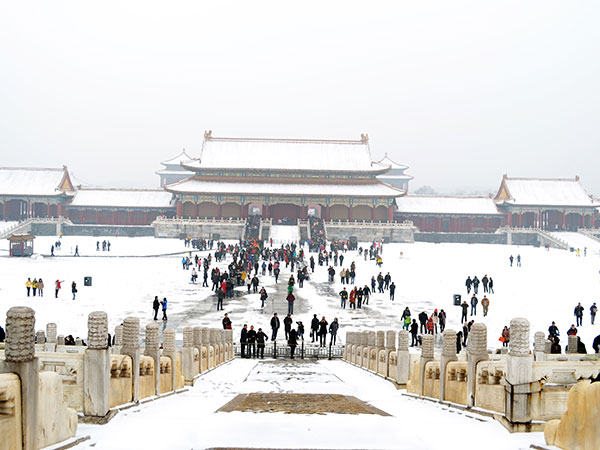
In Xi'an, the climate is slightly warmer, though chilly, with temperatures hovering between -5°C and 8°C (23°F to 46°F). It’s still winter coat weather, but Xi’an offers clear skies and fewer crowds at its historical sites like the Terracotta Warriors.
Travel tip: If visiting northern cities, consider bringing thermal clothing, insulated gloves, and a scarf to protect against cold winds.

In Central and East China, February brings cold but more moderate conditions compared to the north. Shanghai and Wuhan experience temperatures between 3°C and 10°C (37°F to 50°F), with occasional rainfall. While it’s cold, it's also more bearable, making it a good time for sightseeing without the heat or the summer tourist surge.
Chengdu, famous for its pandas, remains relatively mild, with temperatures from 5°C to 12°C (41°F to 54°F). It’s still chilly, but warm indoor spaces like the Chengdu Research Base of Giant Panda Breeding and the city's famous teahouses provide cozy retreats.
Southern China starts to feel the early signs of spring by February. In cities like Guangzhou, temperatures are more comfortable, ranging from 10°C to 18°C (50°F to 64°F). Rain becomes more frequent, but the mild weather makes it pleasant for outdoor activities.
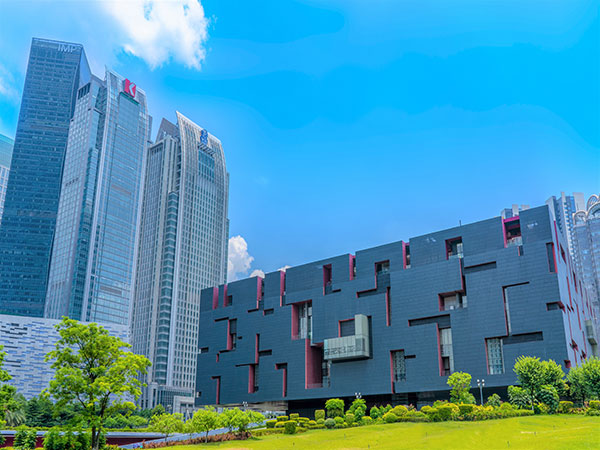
Yunnan, with its diverse climates, offers even warmer weather in cities like Kunming, often referred to as the "Spring City." Here, temperatures range from 5°C to 15°C (41°F to 59°F), making it one of the most pleasant regions to visit in February.
Travel tip: Southern cities are ideal for escaping the harsh winter of northern regions. However, pack an umbrella as light rain may occur.
Western China remains extremely cold in February, with Tibet and Xinjiang experiencing harsh winter conditions. In Tibet, temperatures drop to as low as -15°C (5°F), and high-altitude areas are often covered in snow. Similarly, Xinjiang is cold with temperatures as low as -10°C (14°F) in cities like Urumqi, making it a challenging destination for those unaccustomed to freezing conditions.
Travel tip: Be prepared for harsh conditions if you’re traveling to the western regions. High-quality winter gear is a must.
►Heilongjiang-Harbin
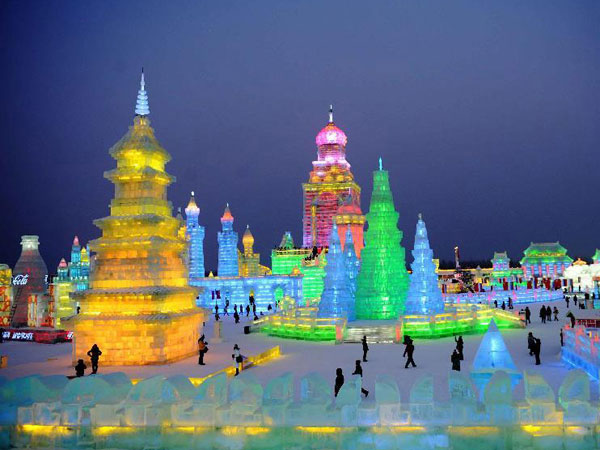
For snow lovers, Harbin remains a top choice in February. The city's famous Ice and Snow Festival showcases massive ice sculptures, ice castles, and intricate designs crafted from blocks of ice taken from the Songhua River. These sculptures are particularly breathtaking when lit up at night. Harbin’s Siberian tiger park and the chance to explore the city’s Russian architectural influences also make it a memorable winter destination. Subzero temperatures, often as low as -15°C, add to the frosty allure of this icy wonderland.
►Hainan-Haikou
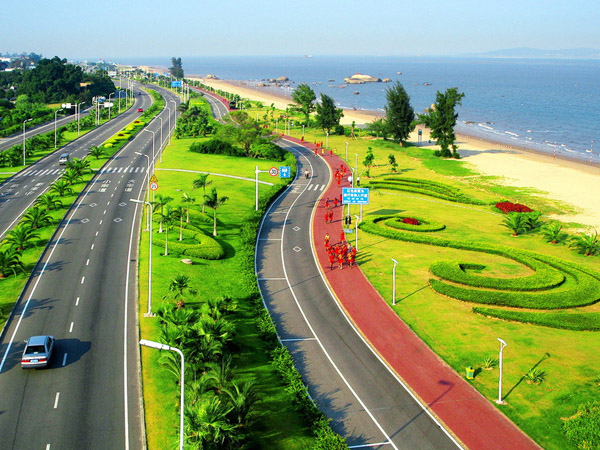
If you’re looking for a tropical escape, Hainan Island, especially Haikou and Sanya, offers the perfect getaway. February is the best time to visit, as it remains warm and pleasant while much of the country is cold. The average temperature ranges from 20°C to 26°C, providing an ideal climate for beach activities, including swimming, diving, and sunbathing. Hainan's coastal beauty, with its clear waters and sandy beaches, makes it a popular destination for those looking to relax and soak up the sun. Sanya’s coral reefs are also perfect for diving enthusiasts.
►Fujian-Xiamen
Known for its charming coastal scenery and Gulangyu Island, Xiamen is an excellent February destination. With mild temperatures around 10°C to 17°C, the city offers a relaxed atmosphere for walking, cycling, and exploring its temples and parks. February also coincides with the Lantern Festival (Yuanxiao Festival), where streets and temples are decorated with colorful lanterns, and celebrations such as dragon dances, lion dances, and fireworks take place. Xiamen’s festive ambiance and cultural richness make it a great city to visit during this time.
Yunnan-Mangshi
If you're after an off-the-beaten-path destination, Mangshi in Yunnan Province is a fantastic choice. It offers the same tropical warmth and scenic beauty as Xishuangbanna, but with fewer crowds. With temperatures ranging from 15°C to 25°C, Mangshi is ideal for outdoor activities, including hiking and exploring its rich Buddhist culture, with temples and pagodas scattered throughout the region. Its year-round greenery and vibrant landscapes make it a peaceful yet exotic destination in February.
Yunnan - Luoping
February marks the beginning of Luoping’s world-renowned rapeseed flower season. As one of the largest natural flower gardens on the planet, Luoping transforms into a golden sea, with rolling fields of vibrant yellow rapeseed flowers stretching across the landscape. The stunning views are perfect for photography, and hiking through these flower-filled fields offers a peaceful and scenic experience. With temperatures ranging from 8°C to 18°C, February is the ideal time to witness the blooming spectacle, which lasts through March.

8 Days Kunming to Guizhou Natural Scenery Tour
Kuming, Xingyi, Anshun, Guiyang, Kaili, Liping, Zhaoxing
Guizhou – Wanfenglin (万峰林)
The Wanfenglin Scenic Area in Guizhou is renowned for its breathtaking karst mountains and unique formations. In February, the landscape comes alive with the blooming of vast fields of rapeseed flowers. The striking yellow flowers blanket the base of the jagged peaks, creating a picturesque rural scene. With cooler temperatures between 8°C and 15°C, visitors can enjoy hiking, cycling through flower fields, and boating on the region’s serene lakes. Wanfenglin’s combination of natural beauty and outdoor activities makes it a must-visit in early spring.

| Region | Destination | February Weather | Why Visit in February | Best For |
| South China | Sanya (Hainan) | 20–26°C, warm & dry | Best beach destination in China for winter sun | Beach holidays, families, couples |
| South China | Beihai (Guangxi) | 15–22°C, mild | Fewer tourists, fresh seafood, relaxed seaside vibe | Slow travel, seniors |
| South China | Guangzhou (Guangdong) | 10–20°C | Lively Chinese New Year atmosphere, famous cuisine | Food lovers, city sightseeing |
| Southwest China | Kunming (Yunnan) | 8–20°C | Known as the “Spring City,” pleasant climate year-round | Leisure travel, photography |
| Southwest China | Dali (Yunnan) | 6–18°C | Clear skies over Erhai Lake, quieter than peak seasons | Couples, cultural travelers |
| Southwest China | Lijiang (Yunnan) | 0–15°C | Snow-capped Jade Dragon Snow Mountain and old town scenery | Photography, in-depth travel |
| Southwest China | Panzhihua (Sichuan) | 15–25°C | One of China’s warmest winter cities, sunshine and flowers | Winter escape, wellness trips |
| Southwest China | Xingyi (Guizhou) | 10–20°C | Karst landscapes and peaceful countryside | Nature lovers |
| East China | Xiamen (Fujian) | 10–18°C | Comfortable climate and fewer crowds | Relaxed city breaks |
| East China | Quanzhou (Fujian) | 10–18°C | Rich heritage, temples, and traditional Lunar New Year customs | Culture & history enthusiasts |
| Central China | Fenghuang Ancient Town (Hunan) | 5–15°C | Quiet winter atmosphere, picturesque riverside town | Photography, slow travel |
| Central China | Enshi (Hubei) | 0–10°C | Winter gorges, misty mountains, and dramatic scenery | Outdoor & nature travelers |
| Northwest China | Xi’an (Shaanxi) | -2–8°C | Strong Chinese New Year vibe, excellent museums | History & culture lovers |
| Northwest China | Dunhuang (Gansu) | -10–5°C | Low tourist season, ideal for exploring Mogao Caves | Off-the-beaten-path travelers |
| North China | Beijing | -8–5°C | Fewer visitors at major sights, great museums | First-time visitors, culture trips |
| Northeast China | Harbin | -25 to -10°C | World-famous Ice and Snow Festival | Winter experiences, families |
| Northeast China | China Snow Town (Xuexiang) | -20 to -10°C | Fairytale snow scenery and traditional houses | Photography, winter lovers |

 English