Your China & Yunnan Travel Experts

 Ask a Question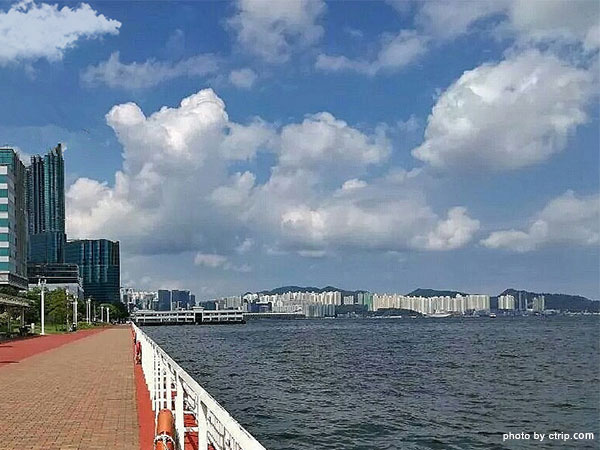
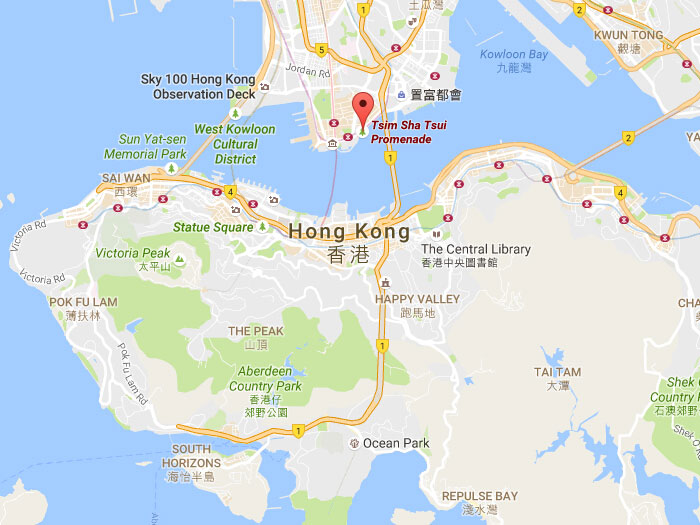
Tsim Sha Tsui, Hong Kong, China
A seaside park to to admire the beautiful view of Victoria Harbour
As one of the top attractions in Hong Kong, Tsim Sha Tuis Promenade is located near the Kowloon Tsim Sha Tsui Area. This promenade is about 1.6 km long starting from the Star Ferry of Tsim Sha Tsui in the west and ends of the entrance of submarine tunnel of Hung Hom.
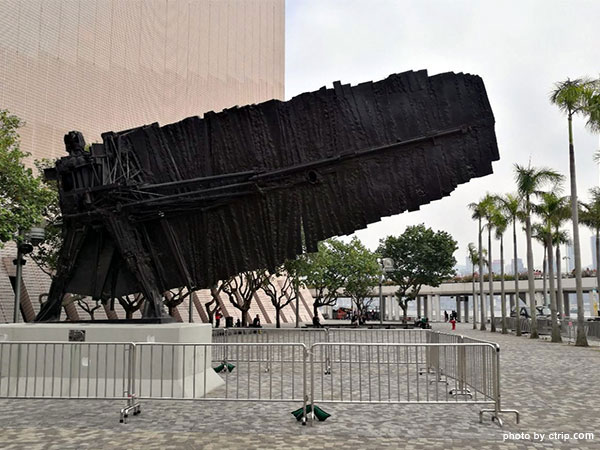
The most fantastic thing to do on this place is just strolling. From the start point and walk along it slowly, you will see many ancient buildings such as the Hong Kong Cultural Centerm the Hong Kong Space Museum, the Hong Kong Museum of Art and Avenue of Stars. And the highlight of this walking may be the stunning view of the Victoria Harbour.
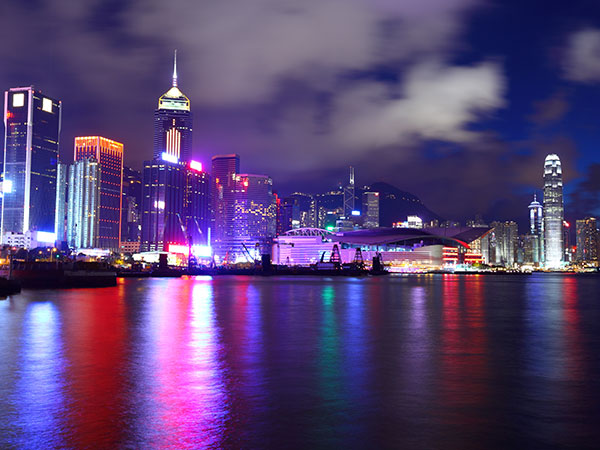
If you visit this site, you will catch the most typical scene of Hong Kong - the skyline of Hong Kong Island is lit up by the neon signs, and the Victoria Harbour is shining as well.
The promenade’s greatest charm lies in its simplicity: strolling along its waterfront is an experience that captures Hong Kong’s soul. As you meander eastward from the Star Ferry Terminal, you’ll pass historic landmarks, cultural institutions, and art installations—all while being framed by the glittering waters of Victoria Harbour.
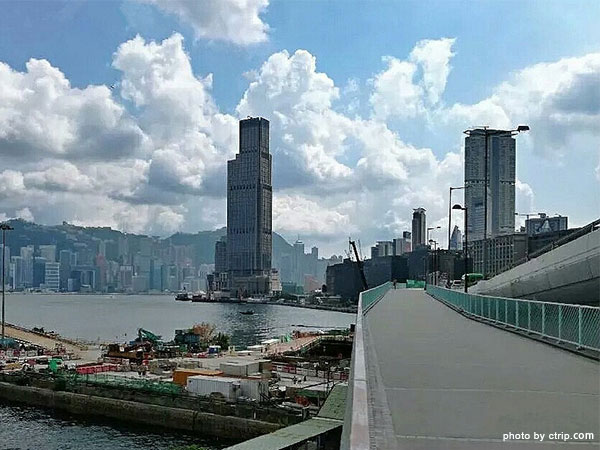
The true highlight, however, is the panoramic view of Victoria Harbour and Hong Kong Island’s skyline. By day, you’ll see skyscrapers like the International Commerce Centre (ICC) and Two International Finance Centre (IFC) towering against the sky; by night, the scene transforms into a dazzling display as neon signs, building lights, and the harbor’s gentle glow create a postcard-perfect atmosphere. Don’t miss the “A Symphony of Lights”—Hong Kong’s famous nightly light show (8:00 PM daily)—where the promenade serves as one of the best viewing spots.
The western part of Tsim Sha Tsui Promenade was once as the part of Guangzhou - Kowloon railway. Since the final station of Guangzhou - Kowloon was changed to Hung Hom Station, the rail way track of the original one was tore down for a project to build a commercial and entertainment equipments. The promenade was one part of that project.
The Tsim Sha Tsui Promenade was open to the public in two stages separately. In the first stage was the eastern part of it in 1982, while the western one opened in 1989.
And during the 2011 Sept, the new Tsim Sha Tuis Promenade in the west of Hung Hom Pier was open officially.This new one connects the coast between Tsim Sha Tsui and Hung Hom.
To enhance the promenade’s appeal and functionality, a major renovation took place between 2004 and 2006, costing approximately HK$190 million(note: the original “190 billion” was a typo—HK$190 billion would be far beyond the budget for a waterfront renovation).
Key improvements included
The Tsim Sha Tsui Promenade is dotted with landmarks that tell Hong Kong’s story, from cultural hubs to symbolic monuments. Here’s a detailed guide to the key spots:
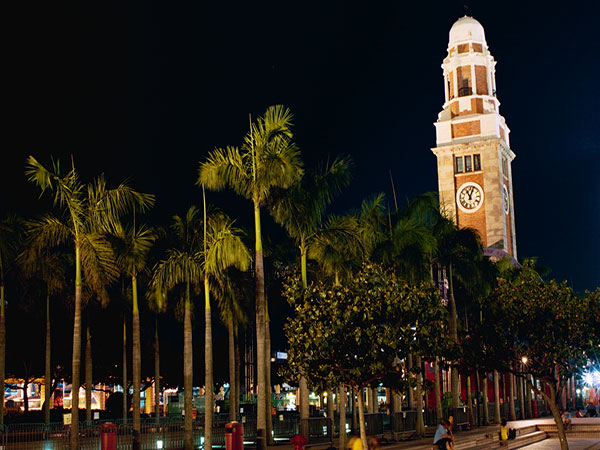
A Hong Kong declared monument and one of the city’s most enduring symbols, the Tsim Sha Tsui Clock Tower is a relic of Hong Kong’s railway history. Built in 1915, it was once part of the original Kowloon-Canton Railway (KCR) terminus—a bustling hub that connected Hong Kong to mainland China for decades.
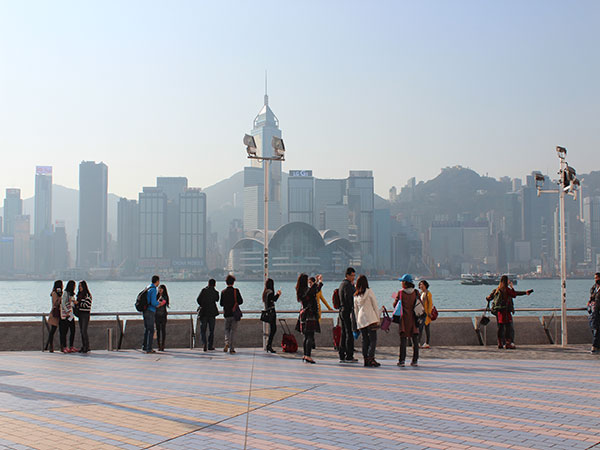
Inspired by Hollywood’s Walk of Fame, the Avenue of Stars is a tribute to Hong Kong’s world-renowned film industry—home to legends like Bruce Lee, Jackie Chan, and Maggie Cheung. Stretching about 440 meters along the promenade, it’s a must-visit for movie fans and casual tourists alike.
Key Features
Pro Tip: Visit in the evening—string lights above the avenue add a romantic touch, and the harbor views behind the statue make for unforgettable photos.
Adjacent to the Star Ferry Terminal, the Hong Kong Cultural Centre is a modern architectural masterpiece and a hub for performing arts. Since opening in 1989, it has hosted ballet, opera, classical music concerts, and theater productions, cementing its role as Hong Kong’s cultural heart.
The center’s sleek, curved roof and glass facade stand in contrast to the historic Clock Tower nearby, symbolizing Hong Kong’s blend of tradition and modernity. Its main auditorium seats over 2,000 people and features state-of-the-art acoustics.Even if you don’t attend a show, wander the center’s public areas—including the rooftop terrace, which offers unobstructed views of Victoria Harbour. The lobby often hosts free art exhibitions or cultural events, making it a great spot to escape the sun (or rain).
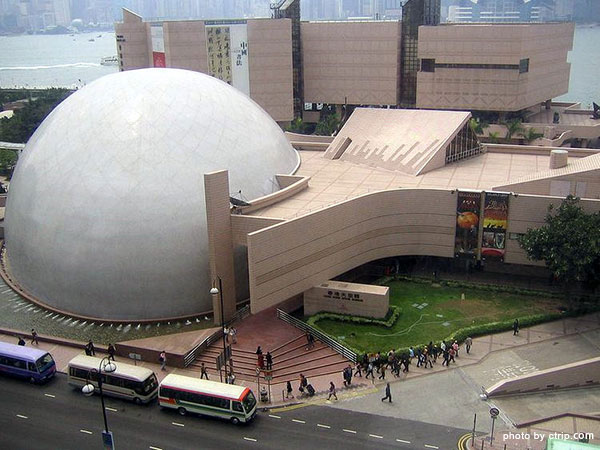
Known locally as the “egg” for its distinctive spherical shape, the Hong Kong Space Museum is a favorite among families and space enthusiasts. Opened in 1980, it aims to make astronomy and space science accessible to all—with interactive exhibits, planetarium shows, and educational programs.
Key Attractions
Fun Fact: The museum’s spherical shape is no accident—it was designed to minimize structural support, allowing the planetarium dome to “float” above the building.
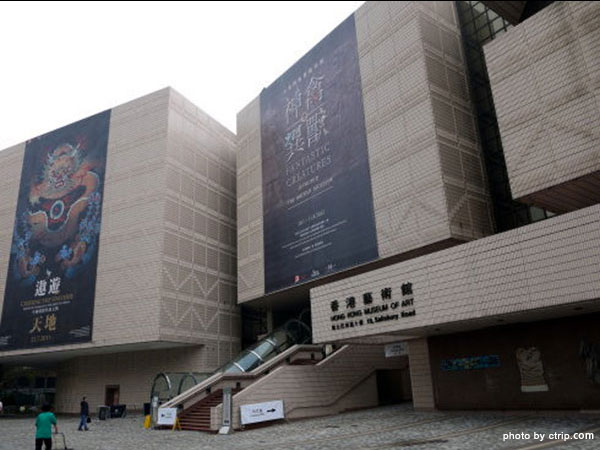
Overlooking Victoria Harbour, the Hong Kong Museum of Art (HKMoA) is the city’s oldest and largest public art museum, showcasing a diverse collection of Chinese art, Hong Kong art, and international works. After a major renovation in 2019, it now spans 10,000 square meters—with 11 galleries and a rooftop garden.
Collection Highlights
Pro Tip: Admission is free on Wednesdays—perfect for art lovers on a budget.
The promenade is easily accessible via public transport—here are the most convenient options:
MTR (Mass Transit Railway)
Star Ferry
Bus
From on request
From on request
From on request

 English