Your China & Yunnan Travel Experts

 Ask a Question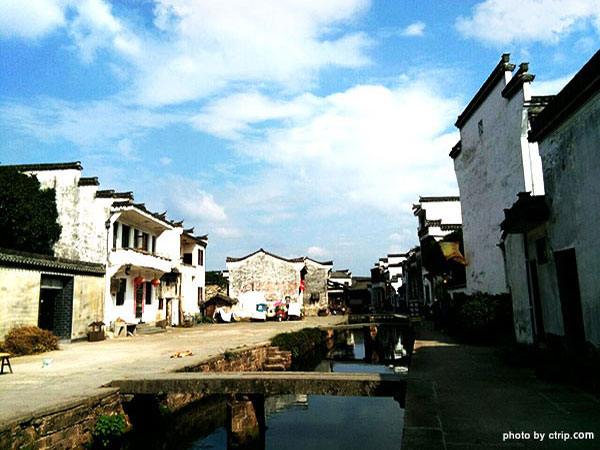
Tangmo Village, Qiankou Town, Huizhou District, Huangshan 245900, Anhui Province, China.
Nature view with ancient architecture.
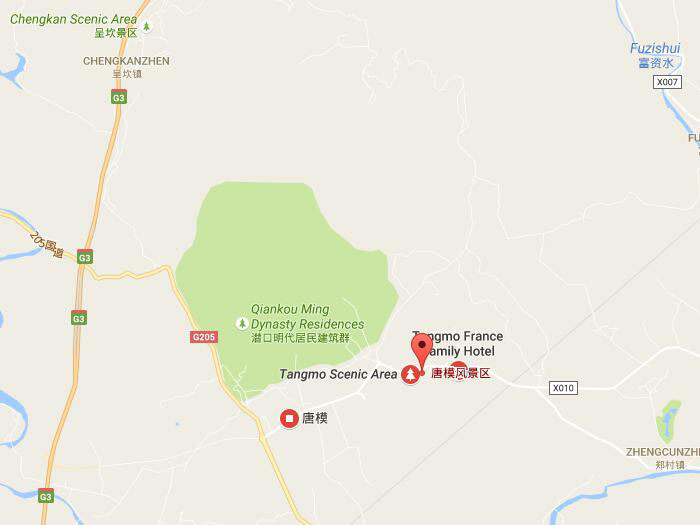
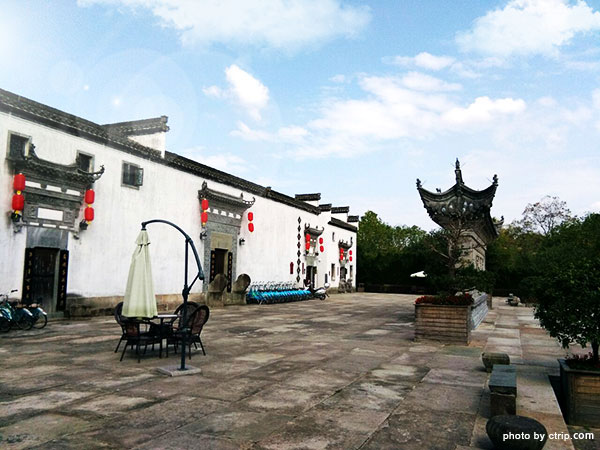
Tangmo Ancient Village is located 26 kilometers away from Tunxi area in Huangshan downtown. It is one of the home of ancient Huizhou culture. Unlike other popularly-known villages like Hongcun and Xidi Ancient Village that are packed with tourists, Tangmo Ancient Village is a small peaceful village with an old canal in the countryside and hardly touched by mass tourism and tour bus groups. It is a perfect spot without crowds to see how old rural china was and still is.
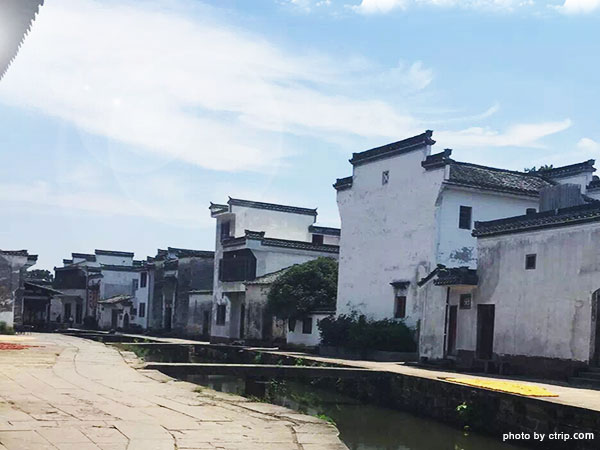
Tangmo can be called an ancient garden museum for its beautiful landscape and long history. Tangmo Village, with Shizishan Mountain as its center, is surrounded by elephant-shaped hills in the southwest and flatlands in the others. Inside are well preserved stone lanes leading to each corner of the village. The Tanggan River flows through the village. Old residential houses, picturesque water street and a few ancestral halls line on the both sides of the river. But some of the ancestral halls are destroyed during the infamous 'Cultural Revolution'. The main path with trees shading it follows a stream with stone bridges and small ponds. The Hui-style ancient buildings here are as attractive as the larger Honcun, Xidi and others villages less the herds of crowds.
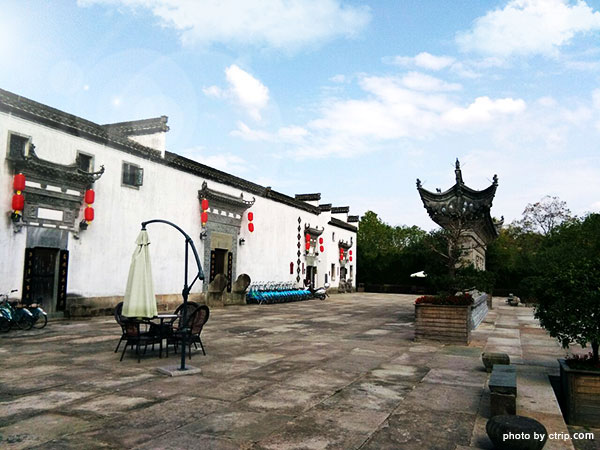
Over the river is Gaoyang Bridge built in the Qing Dynasty. There is a forest of gingko trees across the river, in front of which is Taizi Hall and Taizi Temple on the left. Next to Taizi Temple is Zhuangyuan Mansion (Zhuangyuan refers to Number One Scholar, the title conferred on the one who came first in the highest imperial examination. And Zhuangyuan Mansion is usually built for showing the congratulation to and in memory of the Number One Scholar), a typical Huizhou style building. Not far away from it is the former residence of Xu Cunyu, a Kuomingtang official now. Down the river on the north are a nunnery and the Memorial Hall of Xu Family and the mimic Xihu Lake is within your view. Behind the lake is Hanlin Twins Archway rare across the nations. Sheltered by ample camphor trees nearby are Bajiao Pavilion and Wusong Bridge. There is a small street with a few stores and locals go around there every day. You can buy some souvenirs in the shop.
If you have enough time, you can also visit to the Memorial Archways & Bao’s Private Garden Huizhou Ancient City, Chengdu Village nearby. They are also famous historic and cultural sites.
【Chinese name】: 唐模村
• Address: Tangmo Village, Qiankou Town, Huizhou District, Huangshan 245900, Anhui Province, China
• Opening hours: 7:30 am - 5:30 pm. It is recommended to spend one or two hours to wondering around the village.
【Best time to visit】: The best time to visit is in April, May, September and October, when the weather is neither too hot nor too cold. The village looks quite beautiful when rape flowers bloom in April.
【How to get to Tangmo Village】: There are direct buses from Huangshan Tourist Transport Center(Tunxi) in Huangshan downtown, but the bus schedule for reference is at 8:00am, 9:00am, 10:00am, 11:00am, 13:00pm, 14:00pm, 15:00pm and 16:00pm. You need to check the accurate schedule at the center when you arrive there. Remember to ask the driver to drop you off at the crossing of Tangmo Village.
Tangmo Village stretches from east to west along the Tangan Stream, with one main street serving as its spine. Following the stream is the best way to explore. At the eastern entrance stands a 400-year-old camphor tree known as the “Huaiyin Tree,” beside which is the octagonal Shadi Pavilion, built during the reign of Emperor Kangxi in the Qing Dynasty. The three-story pavilion, supported by slender pillars and open in the middle, is a fine example of traditional Huizhou architecture.
Walking along the old post road, visitors will come across the Twin Hanlin Archway, erected in honor of two brothers from the Xu family who were both admitted to the Imperial Hanlin Academy during the reign of Emperor Kangxi. Passing through the archway marks your official entry into the ancient village. Not far from here lies one of Tangmo’s signature attractions — the Tangan Garden (Tangan Yuanlin), a classical water-garden built in the early Qing Dynasty by a devoted son to fulfill his mother’s wish to see West Lake. Inside the garden are several historic structures such as Zhaochun Hall, Zhonglie Temple, and a small private school, all adding to the village’s scholarly atmosphere.
Beyond the garden lies the so-called “Little West Lake” (Xiaoxi Lake or Filial Son Lake), a man-made pond modeled after Hangzhou’s West Lake. It features miniature versions of the “Three Pools Mirroring the Moon,” “White Causeway,” and “Jade Belt Bridge.” The Mirror Pavilion at the lake’s center houses stone inscriptions and calligraphy works by great masters such as Su Shi, Zhu Xi, and Wen Zhengming — a cultural treasure for art lovers.
Heading west toward the heart of the village, visitors will find the Gaoyang Bridge, a two-arch covered bridge from the Qing Dynasty. It’s a pleasant place to pause for a cup of Huangshan Maofeng tea and chat with friendly locals. On the other side of the bridge stands an ancient ginkgo tree, said to be over a thousand years old.
The western section of the village is mainly home to ancestral halls. The central Xu Family Ancestral Hall serves as the main clan hall, while others — Shangyi Hall (for officials), Jishan Hall (for merchants), and Junhui Hall (for commoners) — reflect the social diversity of the old community. There are also several historic residences such as the Former Residence of Xu Chengyao and old workshops showcasing traditional Huizhou craftsmanship.
Tangmo’s “Water Street” — the main street running parallel to the stream — is one of the most charming parts of the village. Ten ancient stone bridges of different shapes and sizes cross the stream, creating a picturesque network of lanes and waterways. The most scenic section, west of Gaoyang Bridge, extends for about 40 meters and is covered by a rainproof corridor lined with “beauty rests” (stone benches). Sitting by the water, watching art students sketch or villagers go about their day, gives visitors a glimpse into the tranquil rhythm of rural life.
Every autumn, the village bursts with color during the “Sun-Drying Season.” Locals display round bamboo trays filled with red chili peppers, corn, soybeans, pumpkins, and other crops on wooden racks along the stream, creating a vibrant tapestry of color known as “Shaiqiu” — one of Tangmo’s most photogenic scenes.
There are a few small eateries inside the village, though most offer simple local dishes. For authentic Huizhou cuisine, it’s better to dine at Tunxi Old Street in Huangshan City or in Shexian County, about 9 kilometers east of Tangmo. Since the village is compact, many visitors prefer combining a Tangmo trip with nearby attractions such as Qiankou Residential Houses, Chengkan Village, Tangyue Archway Complex, Bao Family Garden, or Huizhou Ancient City. Staying overnight in downtown Huangshan or Shexian is recommended for better dining and lodging options.
From $ 159
From $ 127
From $ 321

 English