Your China & Yunnan Travel Experts

 Ask a Question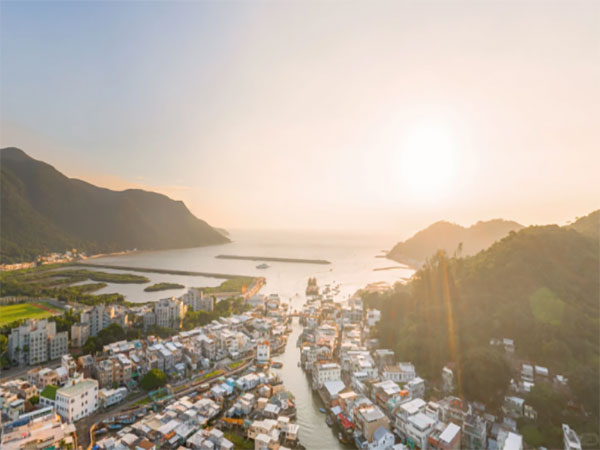
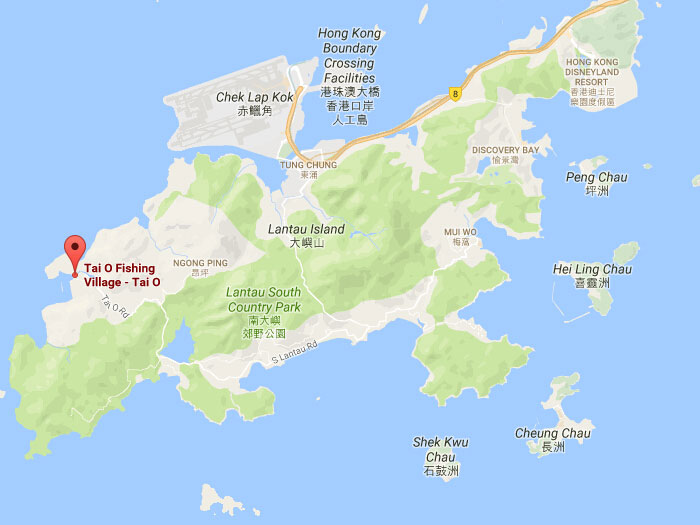
On the wester side of Lantau Island in Hong Kong, China
known as the "Venice of Hong Kong"; A good place to see the sunset
Hong Kong Tai O Fishing Village is a small village in this metropolis. It allows people to witness a rare water huts. It is located in the northwestern tip of Lantau Island. At Tai O Fishing Village live earthy fish men. Plain land could not give people a sense of security, it mdke them to build the houses of wood on the sea bed after the tides of sea. From then on, the people here have to live on the huts above the water by generations. Tai O enjoys the reputation of "Oriental Venice”. Tai O residents are mostly Hakka, making a living by fishing and living tranquil rustic life by the water.
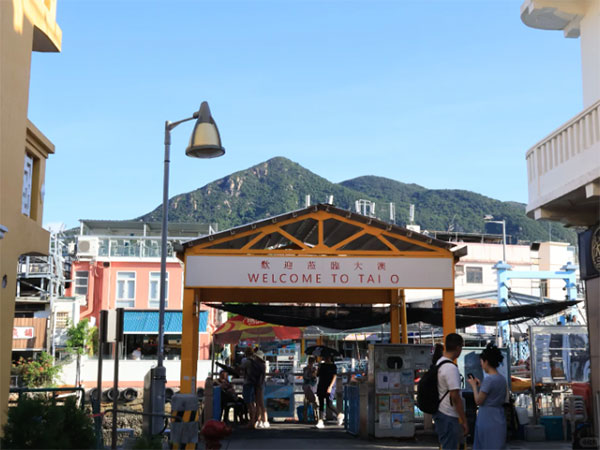
Tai O used to be a major fishing port and garrison town in Hong Kong, and also salt powerhouse for centuries. Today, Tai O has no garrison and only retains a tranquil environment of the small fishing village. And the local salted and marinated shrimp paste have excellent flavor.
Tai O’s historical significance extends far beyond its unique architecture. For much of Hong Kong’s history, it was a major fishing port and garrison town, playing a crucial role in the region’s maritime economy and defense. As early as the Qing Dynasty, Tai O was a hub for salt production—its salt pans (now mostly abandoned) were vital to Hong Kong’s trade, providing a staple commodity for both local consumption and export. The village’s strategic location on the western edge of Lantau also made it a key military outpost; remnants of WWII-era pillboxes and fortifications can still be found along its coast, silent reminders of its past as a garrison town. Today, while the garrisons are gone and the salt industry has faded, Tai O retains the tranquil, laid-back atmosphere of a small fishing village—where the biggest excitement might be the arrival of a fresh catch or the sight of a pod of dolphins leaping in the distance.
One of Tai O’s most beloved culinary claims to fame is its salted and marinated shrimp paste. Made from fresh local shrimp that are sun-dried, ground, and fermented, this pungent yet flavorful condiment is a staple in Cantonese and Hakka cooking. For decades, families in Tai O have passed down the art of making shrimp paste, using traditional methods that rely on the sun’s heat and the sea’s breeze to create its unique umami taste. Visitors can watch local artisans at work in small workshops along the main street, where large clay pots of shrimp paste sit drying in the sun. Bottles of homemade shrimp paste make excellent souvenirs, offering a taste of Tai O’s coastal heritage that can be enjoyed long after the trip ends. Beyond shrimp paste, Tai O’s food scene is a celebration of fresh seafood—from chewy fish balls and silky tofu pudding to steamed rice noodles topped with shrimp and squid—all served in humble, family-run eateries that have been around for generations.
1. Tai O Floating Stilt Houses
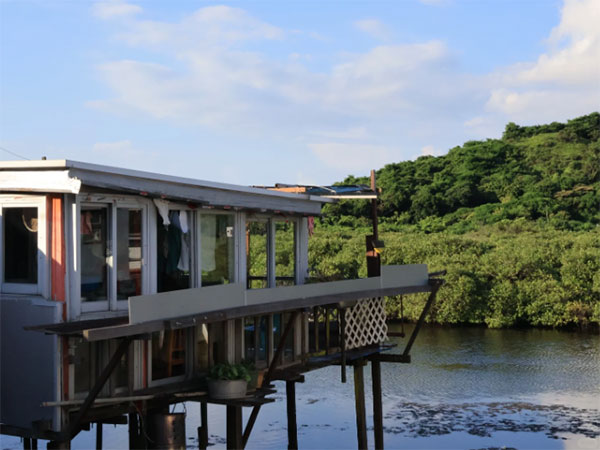
Perched along Tai O's crisscrossing waterways, this cluster of stilt houses built upon the water forms the most captivating and vibrant landscape of Tai O, often hailed as “Hong Kong's Venice on Water.” These seemingly simple wooden structures embody generations of fishermen's wisdom in adapting to life on both land and sea, evolving as unique architecture to accommodate tidal fluctuations and facilitate fishing operations. Strolling along the wooden walkways connecting homes, you'll hear the gentle murmur of water beneath your feet, smell the faint blend of seawater and the briny aroma of sun-dried seafood in the air, and feel a pulse of life distinct from the mainland. Photographers adore this place, especially when the waters are calm. The reflections of the huts and the sky create symmetrical paintings in the water, filled with serene poetry.
2. Tai Chung Bridge (Heng Shui Bridge)
That bright red span across Tai O's main waterway is Tai Chung Bridge, connecting both sides of the stilt house community. This striking suspension bridge serves not only as a convenient passage but also as an exceptional vantage point for panoramic views of Tai O. Standing at its center, a 360-degree vista reveals the densely clustered stilt houses, shuttling boats, and the distant outline of green hills. As the sun sets, casting a golden-red glow across the sky, the lights of the stilt houses gradually illuminate, reflecting on the shimmering water. This particularly enchanting scene is where many visitors linger, captivated by the classic postcard-perfect views of Tai O.
3. Tai O Market (Wing On Street and Tai Ping Street)
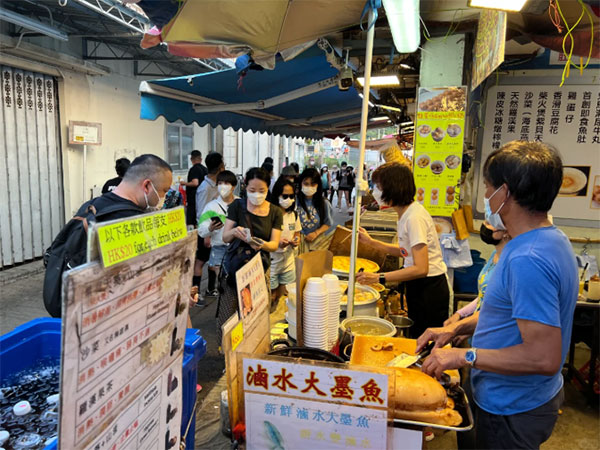
Stepping onto Wing On Street and Tai Ping Street immerses you in the vibrant heart of Tai O. While lacking the polish of modern malls, it brims with raw, pulsating energy. Shops line both sides of the streets, hung with large dried fish and squid, while the air is thick with the pungent aroma of shrimp paste and salty seafood. This is a paradise for sampling authentic local snacks and hunting for unique souvenirs. Beyond the culinary delights, observing shopkeepers and longtime residents chatting in Cantonese offers a glimpse into the close-knit community spirit here.
Must-Try Delicacies:
Tip: Some shops accept cash only; bring small change.
4. Tai O Fu Shan Viewing Platform
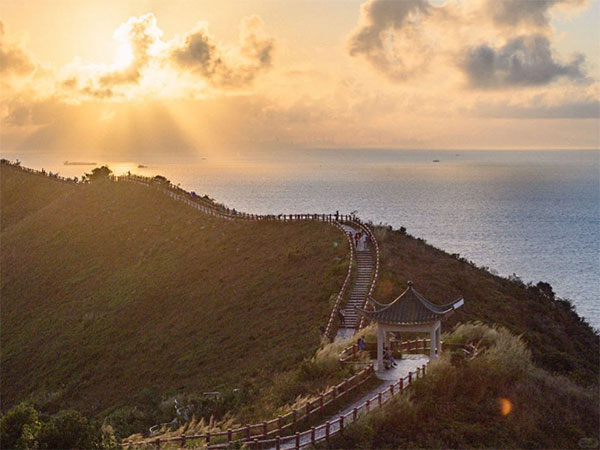
For a rewarding yet effortless hike, the Fu Shan Trail is an excellent choice. Starting from Tai O town, follow the well-maintained stone steps on a gentle ascent to reach the summit viewing platform in about 20 minutes. The view suddenly opens up: the majestic Hong Kong-Zhuhai-Macao Bridge stretches like a giant dragon across the azure Lingdingyang Sea. Beyond lies the vast South China Sea and endless sky. This is a premier sunset viewing spot. As the setting sun gilds the bridge, sea surface, and clouds with golden hues, the breathtaking scenery washes away all fatigue.
Practical Information
5. Tai O Public Pier
Though devoid of ornate decorations, this pier offers one of the best places to experience Tai O's authentic local rhythm. It's where fishing boats dock, fishermen sort their catch and mend nets, and the air is thick with the scent of real work. Locals often sit here chatting, watching the boats come and go. You can admire the diverse fishing vessels and observe how the stilted houses blend harmoniously with the surrounding hills and sea. It's also an ideal spot for capturing the classic “mountain-sea stilt houses” composition, especially when evening's warm light bathes the wooden boats, revealing the simple, tranquil charm of this fishing port.
Practical Information
While Tai O is located on Lantau Island, it is easily accessible from Hong Kong Island, Kowloon, and even Shenzhen via public transport. Here are the most convenient routes:
This is the most popular and convenient route for most visitors: Take the MTR Tung Chung Line from Central Station (Hong Kong Island) or Mong Kok Station (Kowloon) to Tung Chung Station. The journey takes approximately 30–45 minutes, depending on your starting point.Exit Tung Chung Station via Exit A and walk to the Tung Chung Bus Terminal (located adjacent to the station).Take Bus No. 11 directly to Tai O Bus Terminus. The bus ride takes about 50 minutes, and buses run every 15–20 minutes from 6:00 AM to 11:00 PM.Fare: Approximately HK$18 per adult (payable with Octopus Card or cash).
For a more scenic journey, take the ferry to Mui Wo (another town on Lantau Island) and then transfer to a bus: Take the MTR to Hong Kong Station and exit via Exit E1, then walk through IFC Mall to Central Pier 6.Take the ferry to Mui Wo. Ferries run every 30–60 minutes, and the journey takes about 50 minutes.Upon arrival at Mui Wo Ferry Pier, walk to the nearby Mui Wo Bus Terminal and take Bus No. 1 to Tai O. The bus ride takes approximately 40 minutes.Fare: Ferry (HK$30–40 per adult) + Bus (HK$15 per adult).
If you’re coming from Shenzhen, this route is convenient: Cross the border at Shenzhen Bay Port and take Bus B3 to Tuen Mun Ferry Pier Terminus. The bus ride takes about 30 minutes, and the fare is approximately HK$12.Take the Fortune Ferry from Tuen Mun Ferry Pier to Tai O. Ferries run a few times a day (check the schedule in advance), and the journey takes about 1 hour.Fare: Ferry (HK$45–55 per adult).

From on request
From on request

From on request

 English