Your China & Yunnan Travel Experts

 Ask a Question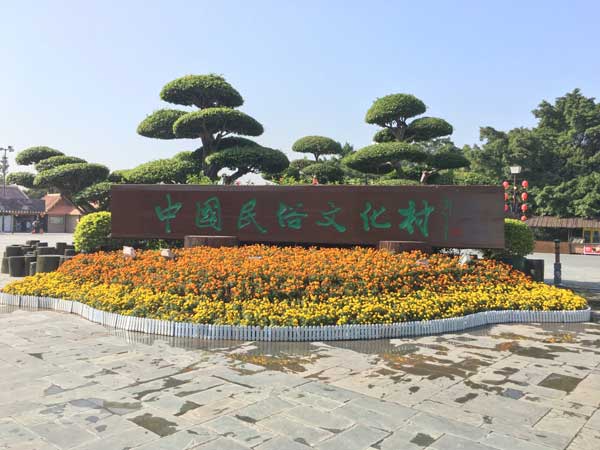
Overseas Chinese City, Nanshan District, Shenzhen, China
Presenting China best cultural assets and landmarks(such as the Terra Cotta Warriors and the Great Wall) in miniature in one place
Shenzhen China Folk Culture Village (merged with “China Folk Culture Village” to form the “China Folk Culture Village” scenic area) is a renowned large-scale cultural theme park located in Nanshan District, Shenzhen. Nestled along the picturesque shores of Shenzhen Bay and adjacent to “Window of the World,” it is easily accessible via both subway and bus. Hailed as a miniature wonderland where “one step takes you back in time, and one day lets you explore all of China,” it serves as a vibrant window into the splendid cultures of China's diverse ethnic groups.
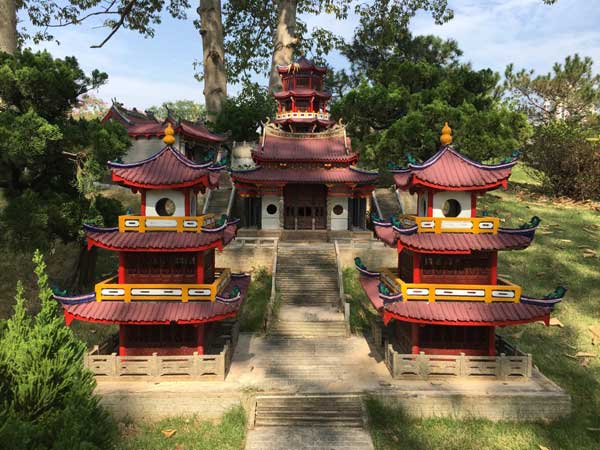
The core of the attraction comprises two major sections: “China Folk Culture Village” features exquisitely crafted miniature replicas that vividly recreate nearly a hundred of China's renowned historical sites and natural wonders, including the Great Wall, the Forbidden City, the Terracotta Army of Qin Shi Huang, and the karst landscapes of Guilin. Within this compact space, visitors can immerse themselves in China's five-thousand-year civilization and its vast, majestic landscapes. The “Folk Village” is a vibrant cultural experience zone featuring authentic villages of over twenty ethnic groups built at a 1:1 scale. Staff dressed in traditional attire perform songs, dances, crafts, and daily customs live on-site. Daily rotating large-scale professional shows like “Oriental Splendor” and “Desert Legend” deliver breathtaking audiovisual feasts of ethnic culture.
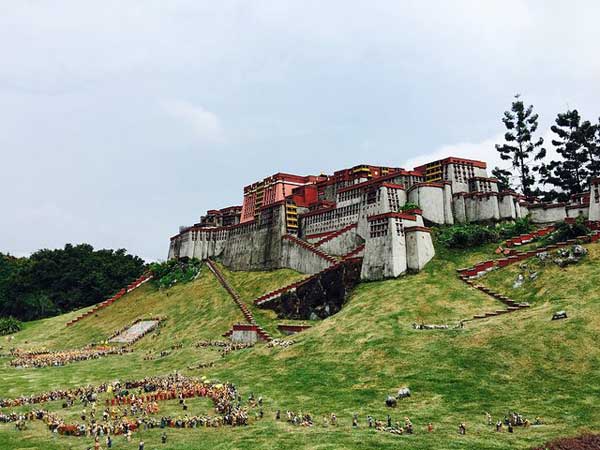
Over 100 major tourist attractions have been miniaturized and laid out according to the map of China. Most attractions have been reduced on a scale of 1:15. It is divided into Scenic Spot Area and Comprehensive Service Area. The entire park covers 30 hectares. There are cars and trains to transport visitors around the park, making it possible to visit the Great Wall, the Forbidden City, Temple of Heaven, Three Gorges Dam, Potala Palace and the Terracotta Army in one day.
The park also hosts several shows depicting various events in Chinese History and Chinese Cultural. Some of the shows are only performed on weekends.
1. Miniature Great Wall (Splendid China Area)
As the iconic starting point of Splendid China, this meticulously crafted miniature Great Wall, scaled at 1:15, winds through the park's artificial mountains, perfectly recreating the majestic grandeur from Shanhaiguan to Jiayuguan. Visitors can personally “ascend” the wall, experiencing the feeling of being a “hero” within minutes, and stand at the highest point to overlook the magnificent panorama of miniature China. It is not only a popular landmark for photos but also symbolizes the spiritual backbone of the Chinese nation.
2. Miniature Forbidden City (China Folk Culture Village)
This is the world's smallest “Forbidden City,” yet it boasts astonishing detail. The model faithfully replicates the original Beijing Forbidden City at a 1:15 scale, featuring major palace complexes like the Hall of Supreme Harmony and the Meridian Gate. Glazed roof tiles and stone dragon sculptures before the halls are clearly visible. It showcases the ultimate grandeur and splendor of ancient Chinese imperial architecture, instantly immersing visitors in the majestic authority of the Ming and Qing dynasties.
3. Terracotta Army Pit Miniature Landscape (Splendid China Area)
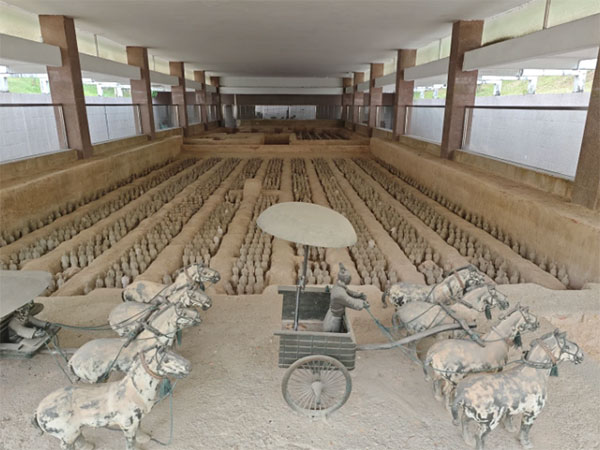
The attraction brings the awe-inspiring scene of the “Eighth Wonder of the World” right before visitors' eyes. Thousands of miniature terracotta warriors, each no larger than a fingernail, are arranged in the original military formation of the pits. Generals, soldiers, and warhorses, each distinct in form, create an imposing array. This display vividly captures the colossal grandeur of Qin Shi Huang's underground army, serving as a miniature window into ancient Chinese sculptural art and military history.
4. Yunnan Stone Forest Landscape (Splendid China Area)
This area condenses the essence of natural wonders. Using natural stone and ingenious landscaping techniques, it recreates the awe-inspiring karst formations of Yunnan's Stone Forest. Jagged, bizarre rocks rise from the ground, enhanced by mist and lighting effects to create a fairy-tale atmosphere. Visitors wandering among them can feel nature's mystery and artistic creativity, making it one of the most evocative natural landscapes in the park.
5. Dai Village (Folk Customs Zone)
Step into this bamboo-house village brimming with Southeast Asian charm, greeted by the warmth of the Dai people and the fluid grace of water. Towering Dai bamboo houses stand as iconic structures, while young women dance the elegant Peacock Dance. The most captivating attraction is the daily Water Splashing Festival celebration (seasonal), where visitors can immerse themselves in the Dai people's most significant festival culture amidst splashing water, experiencing blessings and joy.
6. Yi Village and Torch Festival Plaza (Folk Village Area)
Characterized by sturdy earthen-roofed houses and mystical totem poles, the Yi Village embodies the simplicity and warmth of mountain tribes. It serves as one of the performance venues for the grand ethnic song-and-dance show “Ashima's Hometown.” At night, the square often hosts Torch Festival celebrations where visitors can dance around bonfires with Yi youths, immersing themselves in the fiery, exuberant spirit of fire worship culture.
7. Northern Shaanxi Cave-Dwelling Courtyard (Folk Village Area)
Authentically recreating the residential style of the Loess Plateau, this courtyard features cave dwellings carved into thick loess cliffs—cool in summer and warm in winter. Corn and chili peppers hang within the courtyard, creating a rich atmosphere of daily life. Local Shaanbei residents often perform the high-pitched folk songs of Xintianyou or the lively Anse waist drum dances here. Visitors can also witness traditional crafts like paper-cutting and fabric art firsthand, immersing themselves in the simple life and artistic traditions of northern farmers.
8. Ancient Huizhou Village (Folk Customs Area)
White walls, black tiles, and horse-head walls; small bridges and flowing water reflecting ancestral halls. This attraction exquisitely recreates classic elements of southern Anhui's Huizhou-style architecture, with meticulously crafted stone and wood carvings. Strolling along the cobblestone paths feels like stepping into the painted villages of Hongcun or Xidi, offering a profound glimpse into the Huizhou merchant culture and architectural aesthetics shaped by Confucianism—clan-based communities where merchants embraced scholarly pursuits.
9. Central Theater (Large-scale performances: “Oriental Rainbow” or “Dragon and Phoenix Dance Across China”)
This dynamic showcase presents the cultural essence of the scenic area. The professional theater, accommodating over a thousand spectators, hosts 1-2 national-level large-scale performances daily. “Oriental Rainbow” is a grand dance poem celebrating China's multi-ethnic costume heritage, while “Dragon and Phoenix Dance Across China” weaves dance, acrobatics, and magic into an epic narrative of Chinese civilization. Renowned for their sophisticated stage technology, lavish costumes, and grand storytelling, these productions are hailed as must-see “visual feasts” for every visitor.
10. Impression China Street
This ancient-style street blends northern and southern architectural styles, connecting the miniature landscape area with the folk village. Lined with shops selling traditional handicrafts, local specialties, and signature snacks, it offers visitors a place to rest, savor sugar paintings and tofu pudding, purchase souvenirs, and immerse themselves in the bustling atmosphere of ancient Chinese street life—an ideal spot combining activity and tranquility.
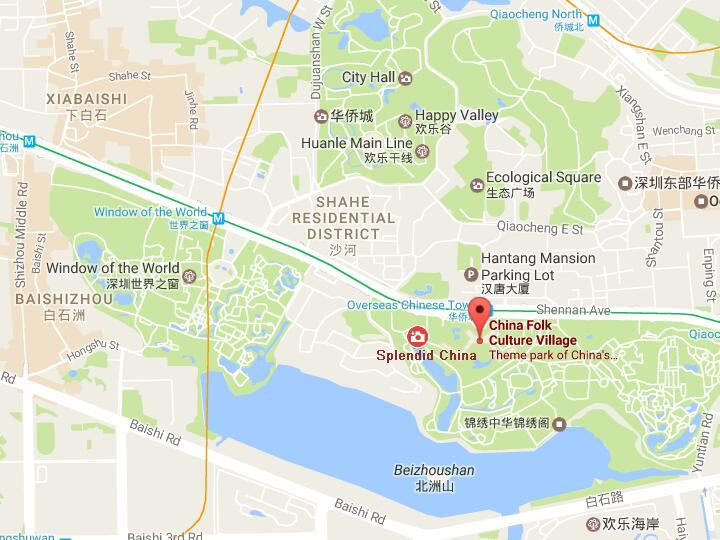
Traveling to Shenzhen Splendid China Folk Village (commonly known as the Chinese Folk Culture Village) is extremely convenient. You can choose the most suitable transportation method based on your circumstances. Taking the subway is undoubtedly the most efficient and reliable option. Ride Shenzhen Metro Line 1 (Luobao Line) and get off at “OCT Station.” Exit through Exit D. After exiting, it's just a 3-5 minute walk to the main entrance plaza, effectively avoiding surface traffic congestion. For bus travel, multiple routes (such as M123, M194, etc.) stop at the “Splendid China” station right at the park entrance. If driving or taking a taxi, navigate directly to the “Splendid China Folk Village Parking Lot,” but note that parking spaces are extremely limited during holidays.
From Shenzhen's major transportation hubs, routes are straightforward: - From Bao'an International Airport: Take Metro Line 11 and transfer to Line 1. - From Shenzhen North Railway Station: Take Line 4 and transfer to Line 1. - From Luohu Railway Station: Take Line 1 directly. Travel times range from 40 to 70 minutes. Regardless of your chosen method, we recommend checking real-time traffic conditions via mobile map apps before departure, especially on weekends and holidays. Taking the subway is highly recommended to ensure a smooth journey. The main entrance is located on the north side of Shennan Avenue. Subway services remain operational after evening performances. If needing a taxi upon leaving, pre-booking via ride-hailing apps is advisable.
From $ 380

 English