Your China & Yunnan Travel Experts

 Ask a Question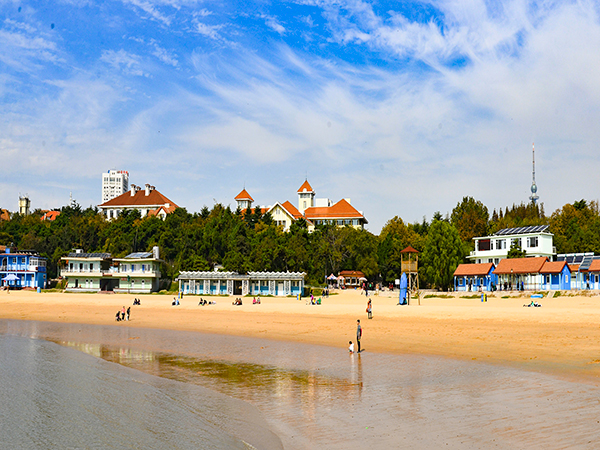
Huiquanjiao East, Shinan District, Qingdao, China.
One of the most popular and famous attractions in Qingdao
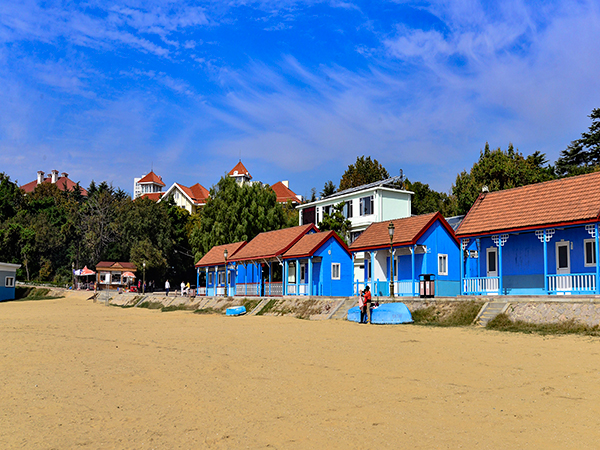
Sited in the north of Huiquanjiao Scenic Zone, Badaguan, or the "Eight Passes", is a historical street district near the coast line in the southeast of Qingdao, Shandong Province. It faces the rippling tides of Taiping Bay to the south and the sands of Bathing Beach No.3 to the east. The scenic area is the best represent of Qingdao in terms of its "red tiles, green trees, blue sea and blue sky". The area is well-known for combining the architectural styles of different countries in the world incuding Japan, American, Demark, Greece, Spanish, and Switzerland etc. and is known as the "Exhibition of the World's Architecture" in this city. Badaguan (Eight Passes) got the name due to the eight roads (now increased to ten) and they are named after China's eight famous strategic passes. The eight strategic passes of the famous Great Wall in China include Jiayuguan Pass, Juyongguang Pass, Wushengguan Pass Ningwuguang Pass, Shanhaiguan Pass, Shaoguan Pass, Zhengyangguan Pass and Zijingguan Pass.
Located between Taiping Corner and Huiquan Corner at the southern foot of Taiping Mountain in Shinan District, Qingdao, Badaguan Scenic Area was built in 1930s, covering an area of 666,000 square meters. Because of the construction of eight streets named after the famous ancient passes in China, hence the name(Badaguan means the eight most famous passes in ancient China in Chinese). There are more than 300 buildings of different styles in dozens of countries, including Germany, Russia, the United States, Britain, France, Denmark, Greece, Spain, Switzerland and Japan, and is known as the "World Architecture Expo".
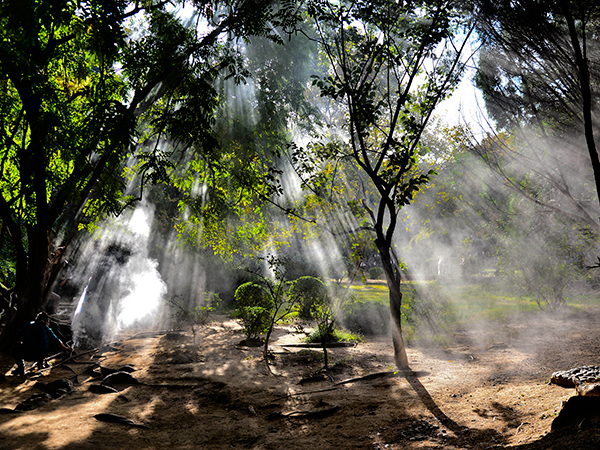
The area is also home to some unique flora. The ten crisscross roads now have formed a scenic area stretching several Chinese miles. The striking feature of “the Eight Passes” is the combination of parks and courtyards, with lush trees and perennially blooming flowers lining both sides of the ten roads. The flowers bloom in different seasons and give this area its other beautiful name, “Flower Area”. And along the streets are houses built in a variety of European architectural styles.
Huashi Villa
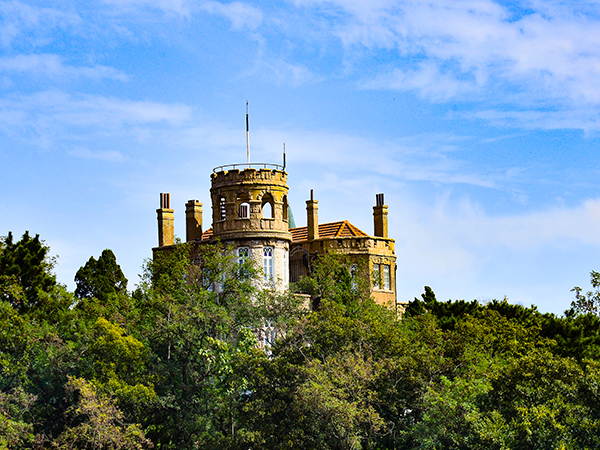
Huashi Villa is located by the sea, with the blue sea and blue sky as its background. Huashi Villa, built in the 1930s, ingeniously combines the elegance of Greek columns, the massiness of Roman arches and the straightness of Gothic spires. Standing on the platform in front of the building, you can feel the sea breeze.
The well-preserved talc decoration and the carved lines of handrail of the stairs show the ingenuity of the builder. From the private mansion to the building that receives Chinese and foreign distinguished guests, this building has witnessed the history and development of Qingdao. Today, it is not only a popular destination for tourists, but also an important window to understand Qingdao's urban character.
Princess Building
The Princess Building is a Danish-style villa, which is like a castle from Andersen's fairy tales. The light green exterior wall contrasts with the surrounding lush vegetation. The exquisite wooden window lattice and the undulating roof outline reveal the simplicity and elegance of Nordic design everywhere.
Although the Danish princess did not live here, this beautiful misunderstanding gave the building a romantic imagination. Sunlight poured into the room through the tall windows. Standing on the balcony on the second floor, you can overlook the whole courtyard: carefully mowed lawns and winding paths. This building not only shows the essence of Danish design, but also becomes an emotional link between Qingdao and Nordic culture.
Butterfly Building
Butterfly Building is a brick red building located at No.21 Shanhaiguan Road, which is particularly eye-catching among the green trees. This building is famous for the filming. Walking into the building, you can see the restored living room and bedroom on the second floor. You will know about the story of China's film in its infancy. It is also an important place to record the development of China films. Visitors here can not only appreciate the beauty of architecture, but also feel the unique charm of China art.
Badaguan Scenic Area is always beautiful in different seasons. In spring, you can see the colorful flower blossoms and green trees at Badaguan. In summer, you can enjoy the beautiful scenery at the streets of the Badaguan Scenic Area and the blue sky. In autumn, the red maple leaves and golden ginkgo trees make the Badaguan Scenic Area more colorful and impressive. In winter, the Badaguan Scenic Area is still beautiful with less crowds.
At Badaguan Scenic Area, you can see the red tiles, green trees, blue sky and blue sea. The colors of Badaguan Scenic is usually harmonious and beautiful. You can enjoy the picturesque scenery as well as knowing about the history of the different buildings here.
Subway: You can take Qingdao Subway Line 3 and get off at the Zhongshan Park Station. Then walk for 800 meters to get to the Badaguan Scenic Area.
From on request

 English