Your China & Yunnan Travel Experts

 Ask a Question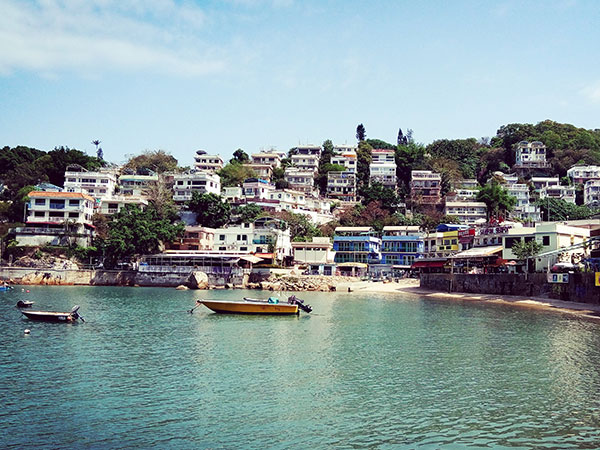
Lamma Island, Islands Distict, Hong Kong, China
A isolated island that is so steeped in local atmosphere; best place to hike and taste seafood in Hong Kong
Lamma Island is third largest island in Hong Kong, China. It is only second to Hong Kong Island and Lantau Island. Lamma Island is located in the south of Hong Kong Island, covering an area of about 14 square kilometers. The Island has always been quiet and peaceful. So after the sixties and seventies, this place has attracted many young people and the expatriate to inhabit in this island. Here also opened a lot of western restaurants and pubs, filled with an exotic romance. As it is close to the downtown, it became a weekend resort. It takes just a half hour boat ride to reach the island from downtown of Hong Kong Island.
.jpg)
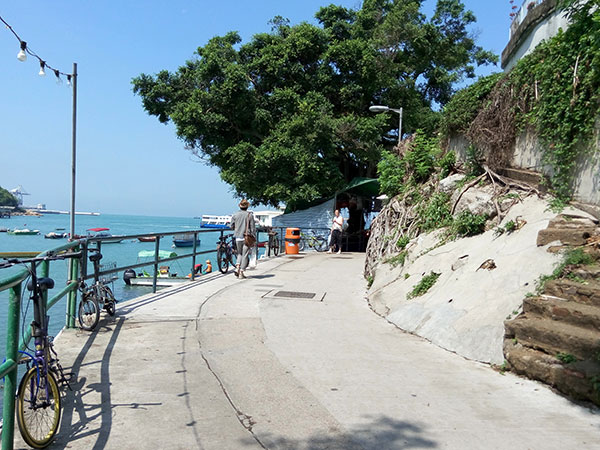
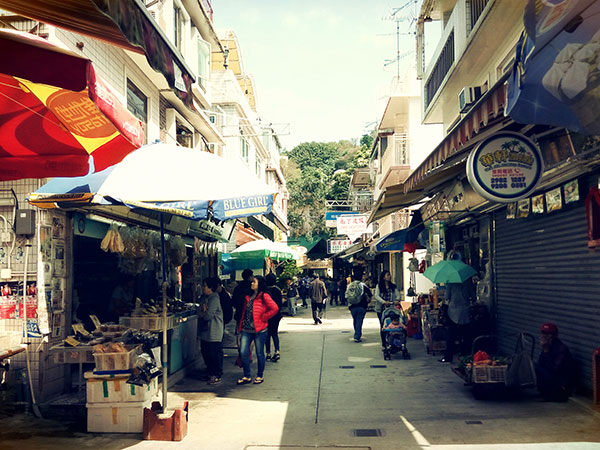
Lamma’s appeal lies in its unspoiled beauty and authentic local life. Here, you won’t find cars—the island is car-free—or high-rise buildings, just winding lanes, beach huts and friendly villagers. It’s the perfect spot for scenic hiking: the 6-kilometer trail connecting Yung Shue Wan and Sok Kwu Wan is Hong Kong’s most popular coastal hike, offering panoramic views of the South China Sea, fishing boats and distant islands. It’s also a top destination for fresh seafood; both villages are famous for their open-air seafood restaurants where you can pick live crabs, shrimp and fish from tanks to be cooked in Cantonese style, like steamed, grilled or stir-fried.
Yung Shue Wan brings bohemian vibes too, dotted with artisanal boutiques, cozy cafes and Western pubs—a legacy of the expats and young Hongkongers who settled here in the 1960s–70s. And if you’re after quiet moments, small coves like Lo So Shing Beach and Sham Wan Beach (a nesting site for green sea turtles) offer calm waters for swimming or picnicking.
Yung Shue Wan (“Banyan Tree Bay”) is Lamma’s busier, more vibrant village, centered around a small harbor lined with colorful fishing boats. It’s the first stop for most visitors and a great place to start exploring.
Stroll the village’s main lane—Yung Shue Wan Main Street—lined with quirky shops selling handmade jewelry, vintage clothing and Hong Kong-themed souvenirs like local tea or printed tote bags. Don’t miss Lamma Book Centre, a tiny, cozy bookstore with a curated selection of English and Chinese novels. When hunger hits, grab a table at one of the harbor-front cafes or seafood restaurants. Rainbow Seafood Restaurant serves a signature grilled squid that’s tender, charred and seasoned with garlic, while Lamma Love Restaurant offers vegan-friendly dishes like tofu stir-fry with local greens plus cold craft beer.
A short walk from the village, you’ll find Lamma Power Station—a red-and-white striped structure that’s an unexpected landmark. Its retro design makes it a popular photo spot, and the nearby waterfront path offers views of Hong Kong Island’s skyline at night.
.jpg)
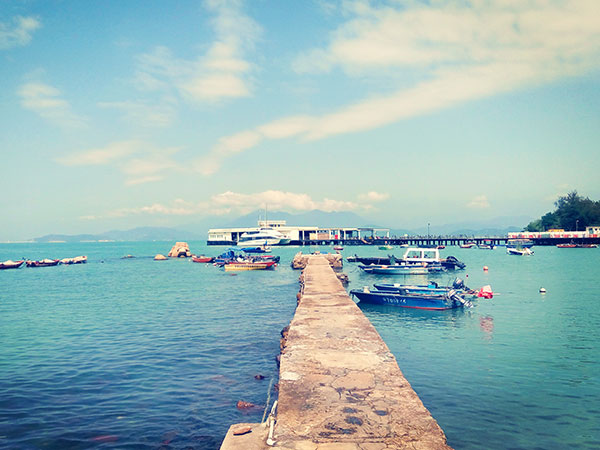
Sok Kwu Wan (“Salt Water Bay”) is Lamma’s quieter, more traditional village, known for its fresh seafood and laid-back atmosphere. It’s ideal for those who want to escape crowds and savor slow meals.
The village’s main drag is lined with seafood restaurants, each with tanks out front displaying live catch. Walk from one to another to compare prices (most charge by weight) then order classics like steamed garoupa (sea bass), chili crab and buttered lobster. Hung Shing Yeh Seafood Restaurant is a local favorite—try their seafood fried rice mixed with shrimp, scallops and squid.
From Sok Kwu Wan, take a 20-minute trail to Sham Wan Beach, a quiet, golden-sand cove. From April to October, it’s a protected nesting site for green sea turtles (visitors must stay on marked paths to avoid disturbing nests), but even outside nesting season, it’s a peaceful spot for sunbathing or reading. Near the harbor, you’ll also find Hung Shing Temple, a small structure dating back to the 19th century dedicated to Hung Shing—a deity worshipped by fishermen for protecting them at sea. The temple’s colorful roof tiles and incense-filled interior offer a glimpse into Lamma’s fishing heritage.
The trail connecting the two villages is Lamma’s crown jewel. It’s easy enough for beginners (no steep climbs) and packed with scenic spots, so allow 2–2.5 hours to complete it at a leisurely pace.
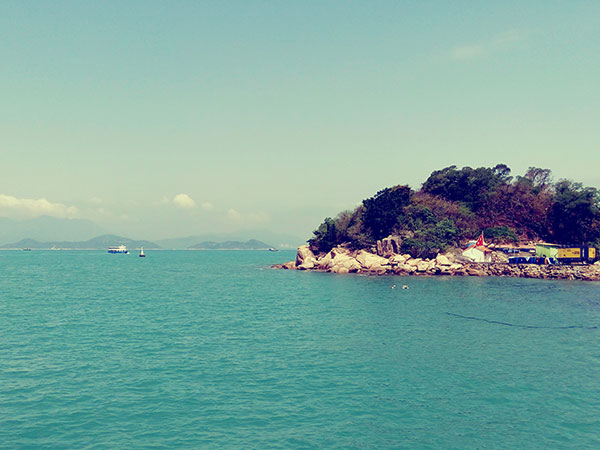
Halfway through the trail, you’ll reach Lo So Shing Beach, a small, sheltered spot where you can stop for a swim or a snack at the beachside kiosk—try their HK$10 coconut water. Further along, you’ll pass Pak Kok Village, a tiny, traditional hamlet with old stone houses and a few family-run cafes, perfect for a quick rest and a cup of local milk tea. There are also several panoramic viewpoints along the way, offering unobstructed views of the sea and nearby islands like Po Toi and Cheung Chau. Bring a camera to capture the sunset—best seen in winter, around 5–6 PM.
Near Sok Kwu Wan, two giant wind turbines make up Lamma Island Wind Farm. They’re part of Hong Kong’s renewable energy efforts and a unique photo opportunity. At low tide, Sham Wan Tidal Flat becomes a mudflat teeming with crabs and shellfish—great for kids (or curious adults) to explore, just be sure to wear sturdy shoes.
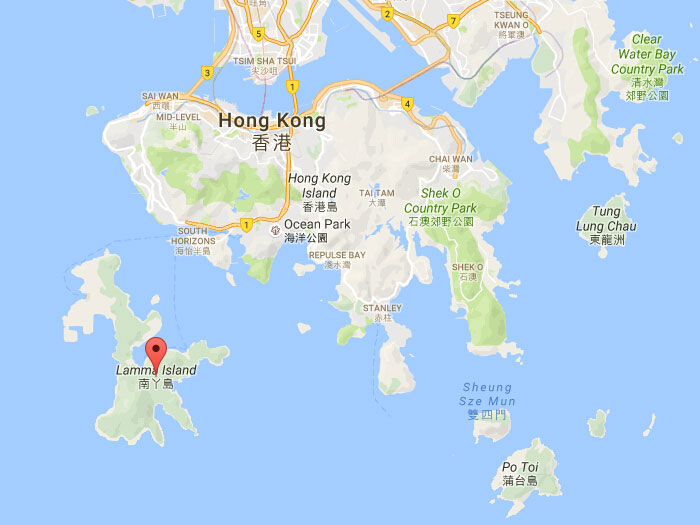
Lamma Island falls under Hong Kong’s Islands District, sitting south of Hong Kong Island and east of Lantau Island. The island has two main entry points—Yung Shue Wan (northwest) and Sok Kwu Wan (southeast)—both accessible only by ferry, adding to its secluded charm.
Ferries from Central are the most convenient route, departing from Central Ferry Pier No. 4. To Yung Shue Wan, ferries run every 30–60 minutes and take about 30 minutes; ordinary ferries cost HK$15–20 while fast ferries cost HK$25–30. To Sok Kwu Wan, ferries operate hourly with a 40-minute journey, and ordinary ferries here cost HK$18–22. For a shorter ride, take a ferry from Aberdeen Bay (south of Hong Kong Island) to Sok Kwu Wan—it’s just 15 minutes and costs HK$10–12. Ferries accept Octopus Cards (Hong Kong’s contactless transit card) or cash, and it’s best to avoid peak hours (11 AM–1 PM on weekends) to skip long lines.
From on request
From on request
From on request

 English