Your China & Yunnan Travel Experts

 Ask a Question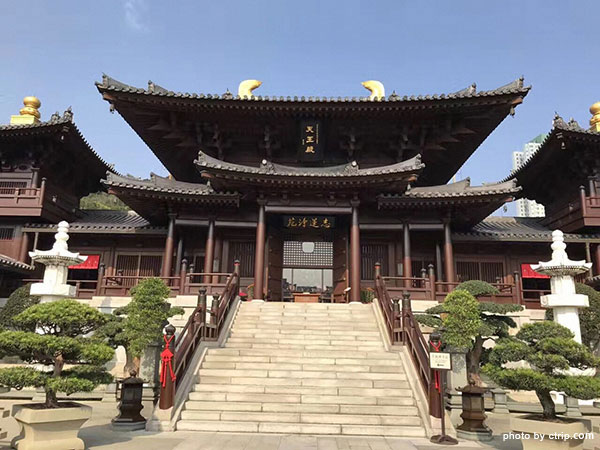

Chi Lin Rd, Diamond Hill, Hong Kong, China
A large Buddhist temple complex
Amidst the bustling skyscrapers and fast-paced energy of Hong Kong lies a serene oasis of tranquility—Chi Lin Nunnery. Nestled in Diamond Hill, Kowloon, this sprawling Buddhist temple complex spans over 33,000 square meters, standing as a living tribute to China’s rich architectural heritage and spiritual traditions. What makes Chi Lin Nunnery truly exceptional is its faithful replication of Tang Dynasty (618–907 AD) wood construction, a style renowned for its grandeur, simplicity, and craftsmanship. Unlike the modern steel-and-glass structures that define much of Hong Kong, this complex relies on ancient Chinese architectural techniques, using interlocking wooden joints instead of iron nails to hold the buildings together. Blending harmoniously with the adjacent Fushan Hill and Nan Lian Garden, Chi Lin Nunnery is not just a religious site but a cultural landmark, offering visitors a rare chance to step back in time and experience the elegance of Tang Dynasty aesthetics in the heart of a global metropolis.
The architectural style of Chi Lin Nunnery is a masterpiece of historical revival. Every detail, from the curved eaves to the wooden brackets, is modeled after the grand temples of the Tang Dynasty—the golden age of Chinese architecture. The key to its construction lies in the dougong system, a traditional interlocking structure where wooden brackets (dou) and crossbeams (gong) fit together like a puzzle, distributing the weight of the roof evenly without the need for nails. This technique, which dates back over a millennium, not only showcases the ingenuity of ancient Chinese builders but also ensures the buildings’ durability and flexibility. Today, Chi Lin Nunnery is widely regarded as the only modern structure in Hong Kong that fully embodies the Tang Dynasty architectural style, making it a living museum of traditional craftsmanship.
The temple complex comprises a series of meticulously designed buildings, each serving a distinct purpose. The main hall, housing statues of the Sakyamuni Buddha, radiates solemnity with its high ceilings, intricate carvings, and warm wooden interiors. Flanking it are halls dedicated to the Goddess of Mercy (Guanyin) and other bodhisattvas, their statues crafted from a variety of materials including gold, clay, wood, and stone. Each statue is a work of art, with delicate facial expressions and flowing robes that capture the compassion and wisdom of Buddhist deities. The courtyards between the halls are adorned with stone lanterns, ancient banyan trees, and lotus ponds, creating a peaceful atmosphere that encourages contemplation and mindfulness.
Chi Lin Nunnery’s history is deeply rooted in the values of compassion and service. Founded in 1934 by a group of Buddhist nuns, it began as a modest retreat dedicated to practicing and propagating Buddhism. In the decades that followed, it expanded its mission to serve the community: in 1948, it established a free school for poor children, providing educational opportunities to those who could not afford them; in 1957, it opened a non-profit orphanage, offering shelter and care to vulnerable children. These acts of kindness solidified its reputation as a place of warmth and generosity, beloved by locals and visitors alike.
The 1990s marked a new chapter in Chi Lin Nunnery’s history. Recognizing the importance of preserving traditional culture, the nuns decided to rebuild the complex in the style of the Tang Dynasty. The reconstruction project was a labor of love, spanning several years and involving renowned architects, craftsmen, and historians from across China. Every piece of wood used in the buildings was carefully selected, and the dougong joints were crafted by hand, following ancient techniques passed down through generations. The result is a complex that not only honors the past but also stands as a testament to the enduring power of cultural heritage. Today, the rebuilt Chi Lin Nunnery continues to uphold its traditions of Buddhism and community service, hosting religious ceremonies, cultural events, and educational programs throughout the year.
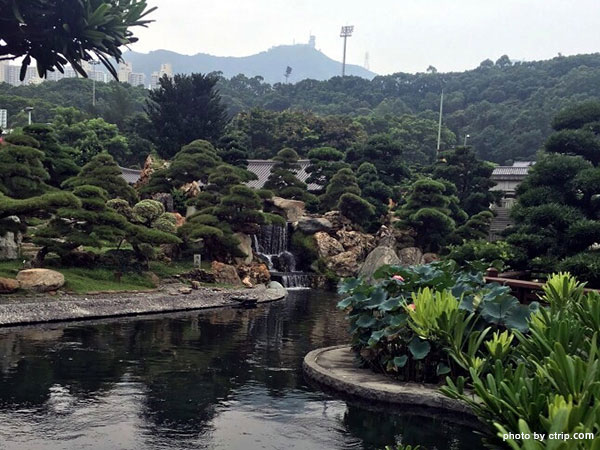
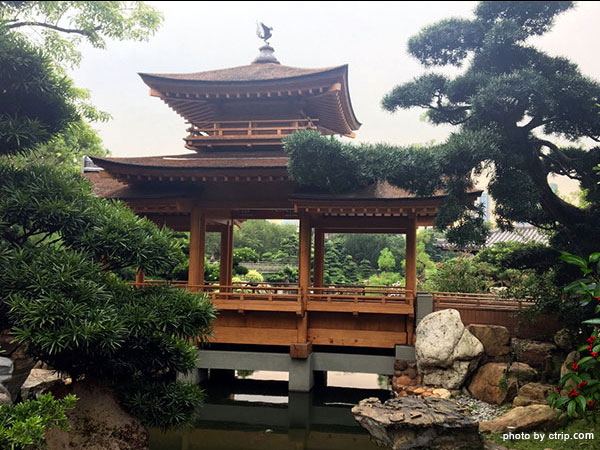
No visit to Chi Lin Nunnery is complete without exploring Nan Lian Garden, its adjacent sister attraction. Designed in the style of a classical Chinese garden from the Tang Dynasty, the garden covers 3.5 hectares and is a masterpiece of landscape design. Every element—from the rock formations to the water features, from the flowering plants to the wooden pavilions—is arranged to create a sense of balance and harmony with nature.
The garden’s centerpiece is a large lotus pond, where pink and white lotus flowers bloom in summer, their leaves floating gently on the water’s surface. Surrounding the pond are winding paths lined with bamboo, plum trees, and peonies, leading visitors to hidden pavilions and scenic viewpoints. One of the most popular spots is the Pavilion of Absolute Perfection, a wooden structure with sweeping eaves that offers panoramic views of the garden. Another highlight is the Rockery of Nine Dragons, a towering formation of Taihu stones that resembles nine dragons soaring into the sky. For those seeking peace and quiet, the Garden of Reflection provides a tranquil space to sit and admire the beauty of the surroundings.
Chi Lin Nunnery and Nan Lian Garden are easily accessible, making them a perfect addition to any Hong Kong itinerary. The nearest MTR station is Diamond Hill (Exit C2), and from there, it’s just a 5-minute walk along a covered walkway with clear signs. The complex is open daily from 9:00 AM to 5:00 PM, and admission is free, though donations are warmly welcomed to support its maintenance and community programs.
Visitors are advised to dress modestly, covering their shoulders and knees out of respect for the religious nature of the site. Photography is allowed, but flash photography is prohibited inside the temple halls. Don’t miss the vegetarian restaurant within the complex, which serves delicious and healthy Buddhist vegetarian cuisine, using fresh, seasonal ingredients. The restaurant’s peaceful setting, overlooking the garden, makes it an ideal spot for a leisurely lunch or afternoon tea.
In a city known for its hustle and bustle, Chi Lin Nunnery offers a rare escape—a place where time slows down, and the beauty of tradition and nature takes center stage. Whether you’re interested in Buddhism, architecture, or simply seeking a moment of peace, this Tang Dynasty gem is a must-visit destination in Hong Kong. It reminds us that even in the most modern of cities, the wisdom and elegance of the past can still thrive and inspire.

From on request

From on request

From on request

 English
