Your China & Yunnan Travel Experts

 Ask a Question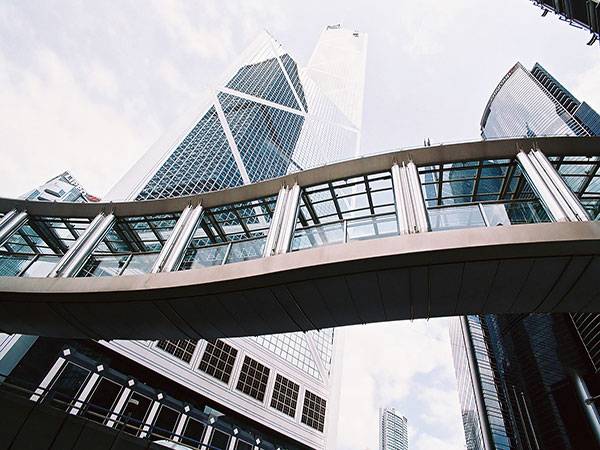
1 Garden Road, Hong Kong, China
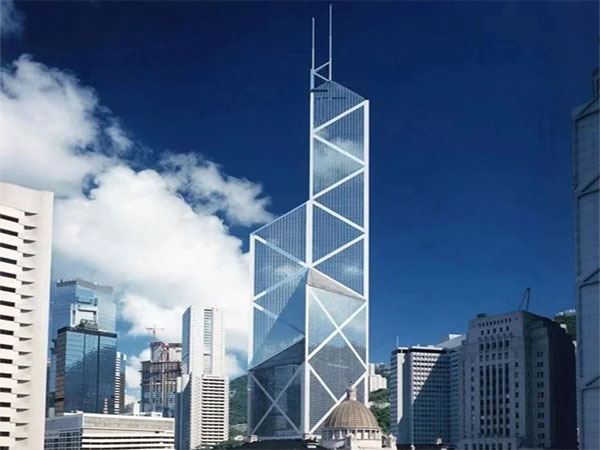
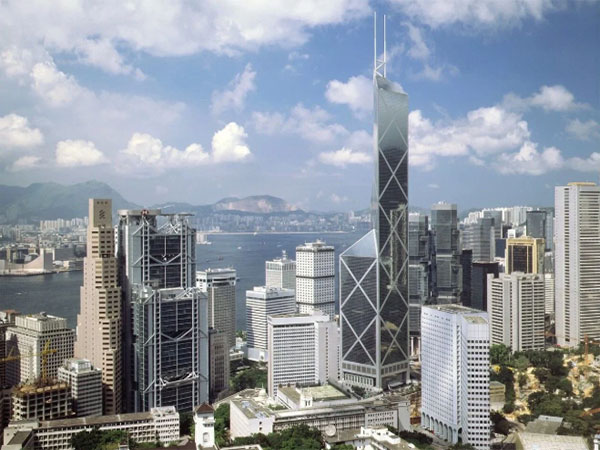
One of the most recognisable skyscrapers in Hong Kong designed by I. M. Pei and L.C Pei
For architecture enthusiasts, skyline chasers, or travelers seeking a blend of modern design and cultural significance, the Bank of China Tower (BOC Tower) in Hong Kong is an unmissable landmark. Rising 367 meters above the city’s central business district, this iconic skyscraper is more than just a financial headquarters—it’s a masterpiece of engineering, a symbol of Hong Kong’s East-West fusion, and a gateway to exploring one of Asia’s most dynamic cities. Below is your ultimate guide to visiting, including history, practical tips, photography spots, and nearby attractions.
Tips for a Smooth Visit
Before planning your trip, understand what makes this tower special:
Architectural Brilliance
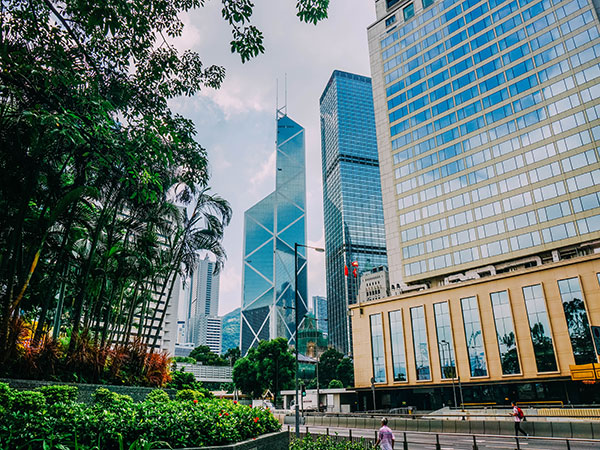
Designed by the world-renowned Chinese-American architect I.M. Pei (famous for the Louvre Pyramid in Paris), the BOC Tower breaks from Hong Kong’s traditional "boxy" skyscrapers with its sleek, triangular steel-and-glass structure. Its design draws inspiration from Chinese culture—resembling a bamboo shoot (a symbol of growth and resilience) and featuring 17 distinct sections (a number considered lucky in Chinese numerology).
Cultural Significance
Completed in 1990, the tower was a gift from the Bank of China to Hong Kong, symbolizing the city’s economic ties to mainland China. It stands as a proud reminder of Hong Kong’s unique identity—where Eastern heritage meets global modernity.
Panoramic Views
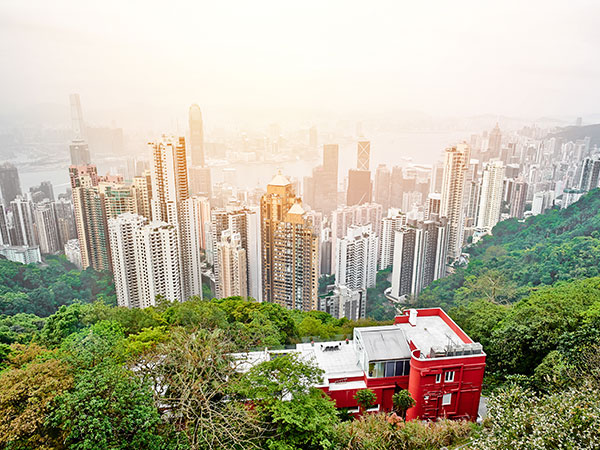
While the tower’s upper floors are private office spaces, its public observation area (on the 43rd floor) offers sweeping views of Victoria Harbour, Hong Kong Island, and Kowloon. It’s a quieter alternative to the crowded Victoria Peak or Sky100.
Skyline Icon
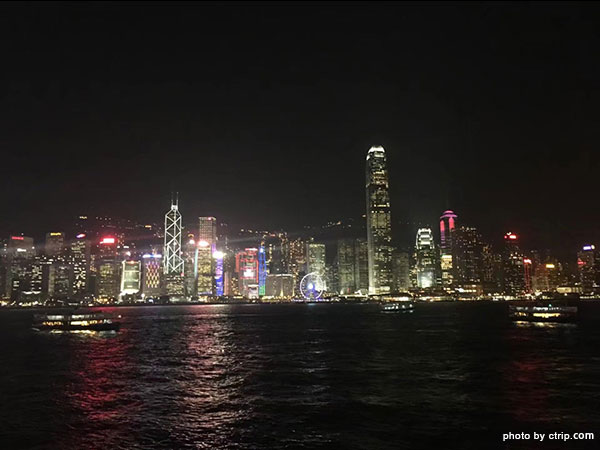
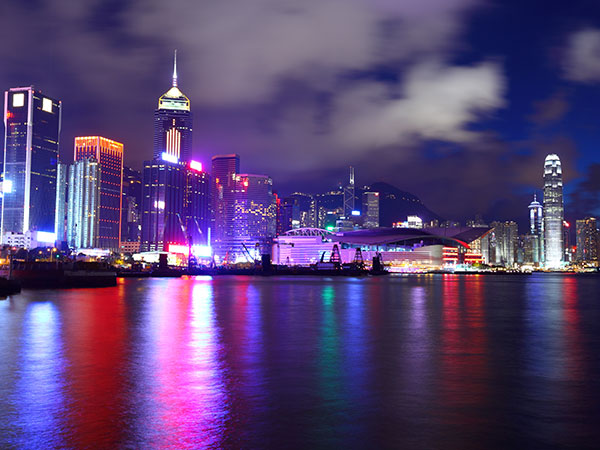
The BOC Tower is a star of Hong Kong’s skyline, especially at night when its exterior lights illuminate the harbor. It’s a favorite subject for photographers and a must-see for anyone wanting to capture Hong Kong’s famous "city of lights" vibe.
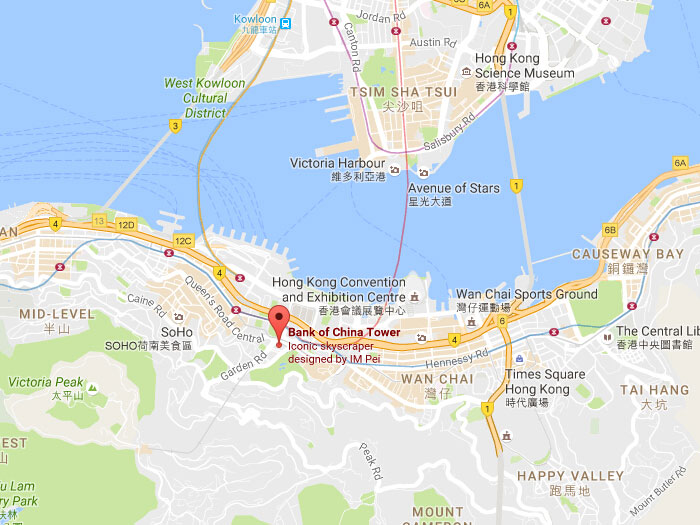
Take the Tsuen Wan Line or Island Line to Central Station (Exit K). From there, it’s a 5-minute walk uphill along Garden Road (look for signs to the tower).
Take buses 1, 2, 5, 5B, 10, or 26 from Central Ferry Pier or Admiralty to the "Bank of China Tower" stop.
Hong Kong’s iconic double-decker trams (called "ding dings") stop at "Central"—a 10-minute walk to the tower. This is a fun, affordable way to experience the city’s streets.
Taxis are readily available in Central, but note that Garden Road is a busy area—ask the driver to drop you at the tower’s main entrance.
The main highlight is the 43rd-floor observation deck, which offers 360-degree views:
Even if you don’t visit the observation deck, the ground-floor lobby is worth a stop. Its grand, minimalist design features high ceilings, marble floors, and a large bamboo-inspired sculpture—echoing the tower’s architectural theme. It’s a peaceful spot to escape the busy streets of Central.
The BOC Tower is in the heart of Central, so you can easily combine your visit with other top Hong Kong spots:
Victoria Peak
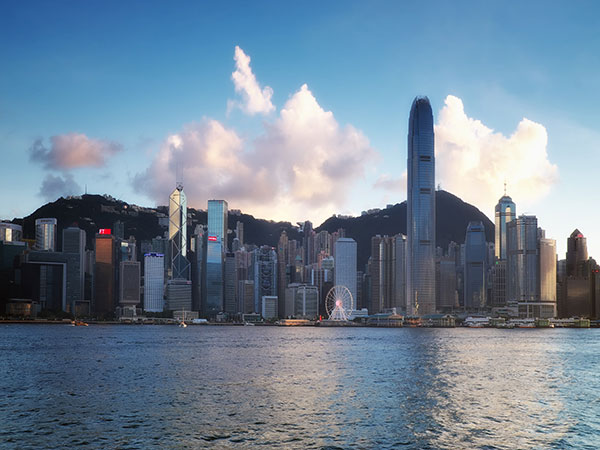
Take the Peak Tram (a 7-minute walk from the BOC Tower to the tram station) to the top of Victoria Peak. It’s Hong Kong’s most famous viewpoint, with panoramic views day and night.
Central Market
A historic market (built in 1939) renovated into a modern food and shopping hub. Try local snacks like egg tarts or fish balls, or browse boutique shops selling handmade goods.
Man Mo Temple
Hong Kong’s oldest Taoist temple (built in 1847), dedicated to the gods of literature (Man) and war (Mo). It’s a quiet, colorful escape from the city’s chaos—don’t miss the incense coils hanging from the ceiling.
Victoria Harbour & Star Ferry
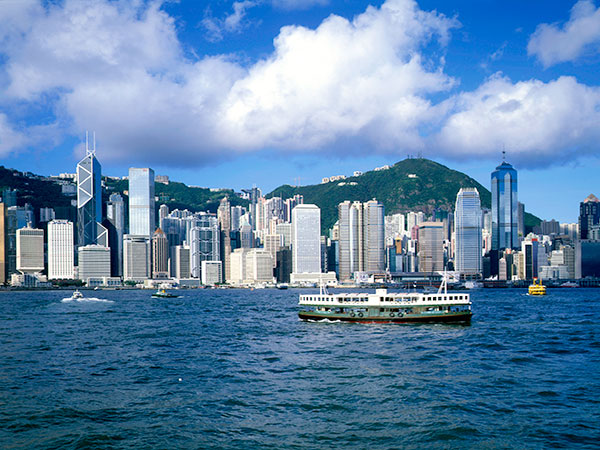
Walk 10 minutes to Central Ferry Pier and take the Star Ferry (HK
3–
5) to Tsim Sha Tsui (Kowloon). The 10-minute ride offers stunning views of the BOC Tower and Hong Kong’s skyline—one of the world’s best cheap tourist experiences.
From on request
From on request
From on request

 English