In the western
Yunnan alpine gravel slopes are little evergreen plants, but there are still lush rhododendron forests. At an altitude of 2600 to 4200 meters mountain, the alpine rhododendron grows quietly bloom here year after year. Their meaning of life as if bloom beautiful flowers. From the point of biological, they are plants living in groups. They grow together, bloom together in spring and summer forming pieces of intoxicating "flowers" wonders.
Western Yunnan alpine rhododendron forest is rich in rhododendron plant species, with dense rhododendron, rhododendron clementinae and so on more than 200 kinds. The color of the azaleas in full bloom season, numerous and complicated color decorated the mountains to magnificent brilliant beauty.
Geography
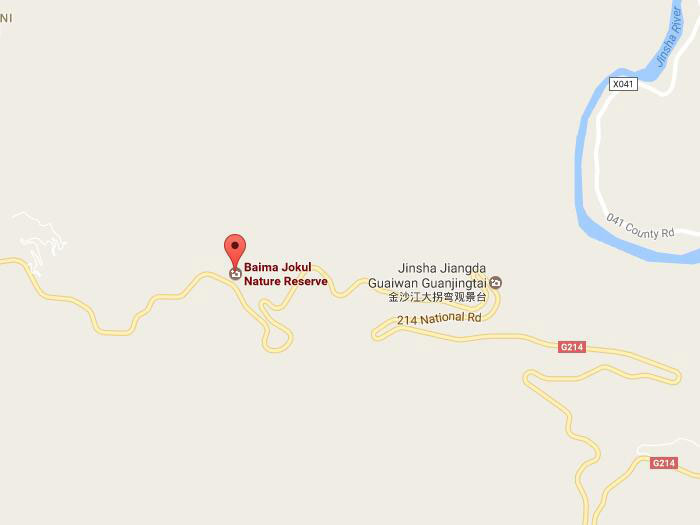
Baima Snow Mountain Nature Reserve is located in the middle of Hengduan Mountains in the northern section of Yuengling Main Peak of Baima Snow Mountain (also known as Baimang Snow Mountain) and the snow-capped mountains of the Jinsha River Slope. Administrative belonging to the Diqing Tibetan autonomous prefecture bordering Tibet Mangkang county on the north, on the other side of the Jisha river and Derong county in Sichuan province in the east, With a total area of 1879931 hectares.
Baima Snow Mountain Nature Reserve was set up in 1983, covers an area of 1880 square kilometers, including the northern section of Yuengling Baima Snow Mountain and Renzhi Snow Mountain, between the Jinsha River and Lancang River. Reserve Mountains derive from Mount Tunggula in Tibet name Ningjing Mountains; call Yuengling in the Yunnan region, and it is watershed between Lancang River and Jinsha River. The reserve mountain line is at an altitude of 4000 meters, there are 20 mountain peaks more than 5000 meters above sea level.
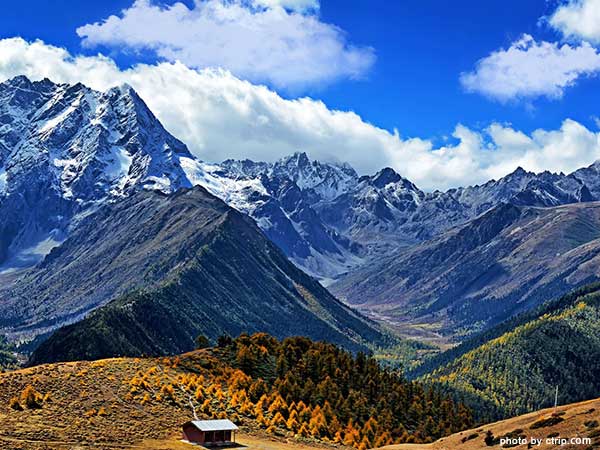
With a total area of 1879931 hectares, the natural forest area of 76658 hectares, accounting for a total area of 40.8%.Opening forest land area of 7538 hectares, accounting for a total area of 4.0%;Shrubbery area of 15951 hectares, accounting for a total area of 8.5%;New planting area covers an area of 81 hectares, accounting for a total area of 0.1%;No forest land area of 38978 hectares, accounting for a total area of 20.7%;Non-forest area of 48771 hectares, accounting for a total area of 25.9%. The stocking volume in the preserve is 16338757 cubic meters.
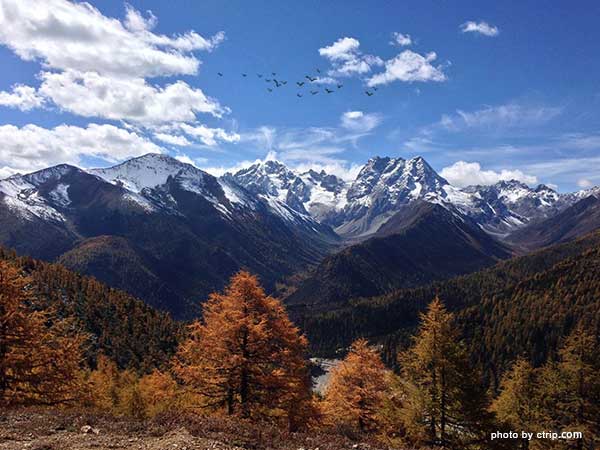
Baima Snow Mountain at an altitude of 5430 meters is 3500 meters higher than the near valley, forming obvious vertical landscape zone. Below 2300 meters are the dry-hot valleys sparse thickets slopes; 3000 to 3200 meters is coniferous, broad-leaved and deciduous forest, mixed forest zones; up to 3200 to 4000 meters is subalpine dark coniferous forest, which is the main part of the conservation of forest resources, with a variety of evergreen rhododendron and wormwood meadow grasses.
Climate
Reserve climate is wet and dry in different season; rainfall is less but concentrated, climate change along with the increasing of altitude, forming the characteristics of warm and dry. Therefore, the perpendicular band spectrum of natural landscape is obviously.
Rhododendron Species and Distribution
Within the Baima Snow Mountain Nature Reserve, an impressive 94 species of rhododendron have been recorded, belonging to 3 subgenera, including 70 species, 8 subspecies, and 16 varieties. The distribution of rhododendron species changes significantly with altitude, creating distinct vegetation zones:
At 2,600–3,000 meters, in the shady slopes and Yunnan pine forests, species such as Rhododendron decorum (large white rhododendron) and Rhododendron meddianum (small pink-backed rhododendron) flourish.
At 3,000–4,000 meters, on semi-shaded slopes and within fir forests, species like Rhododendron erosum (rust-spotted rhododendron), Rhododendron ellipticum (loquat-leaved rhododendron), and Rhododendron brevstyle (short-stamen rhododendron) dominate the vegetation.
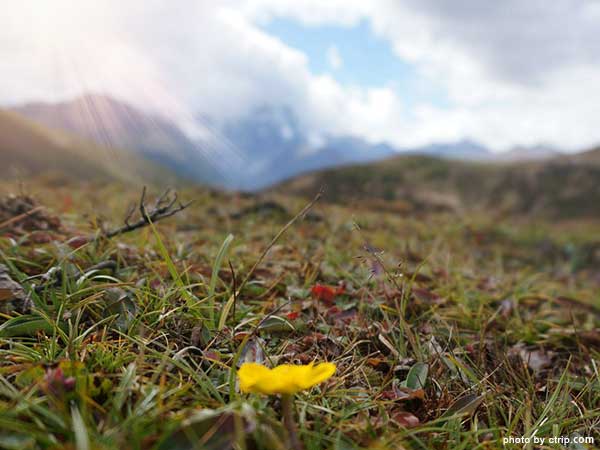
At 4,000–4,200 meters, the high-altitude shrub meadow zone is covered by dense rhododendron thickets forming large clusters, with over 200 species carpeting the alpine slopes in a vibrant floral display.
This rich variety of rhododendrons not only reflects the vertical vegetation spectrum of the Hengduan Mountains but also demonstrates the ecological adaptability of the genus Rhododendron under extreme alpine conditions.
Blooming Season and Viewing Highlights
The blooming period of alpine rhododendrons is closely linked to elevation. At Baima Snow Mountain, mid-May to late June is the best time to enjoy the breathtaking rhododendron blossoms.
As elevation increases, the flowering time gradually shifts upward:
Around mid to late May, rhododendrons at about 3,500 meters start blooming.
By early June, flowers at 4,000 meters and above reach full bloom.
Even in late June, high-altitude areas remain covered in vibrant blossoms.
This staggered blooming pattern caused by elevation differences extends the rhododendron viewing season for over a month. During this period, the mountain transforms into a natural gallery — slopes covered in pink, red, white, and purple blooms, blending with snow-capped peaks and meadows, creating a spectacular alpine scene that fascinates photographers and hikers alike.
Recommended Hiking Route
Classic Trekking Route: Shangri-La → Shusong Village → Alpine Pasture Camp → Yunnan Snub-Nosed Monkey Observation Site → Mountain Pass → Return Trip.
This trail offers a well-balanced mix of ecological exploration and cultural experience. Visitors can see not only the rhododendron forests but also rare species such as the Yunnan golden snub-nosed monkey, endemic to the Baima region.
⚠️ The route requires booking a local guide, and access is limited to 50 people per day to protect the fragile ecosystem. Reservations should be made at least three days in advance through the Shusong Village Committee or local guesthouses.
Travel Tips
Transportation: The reserve is remote and road conditions are challenging, so it’s recommended to hire a private car or local driver familiar with the mountain terrain.
Best Visiting Time: The prime season for rhododendron viewing is from late May to mid-June. Plan your trip early to ensure accommodation and permits.
Duration: Ideally, allocate 2–3 days for a full experience.
Day 1: Drive along National Highway G214, enjoying roadside scenery of snow-capped mountains and forests.
Day 2: Explore deeper into the Pujinlangba Alpine Meadow and Rock Valley, home to other alpine flora such as Meconopsis (Himalayan Blue Poppy) and Saussurea (Snow Lotus).
Equipment and Preparation
- Due to the high-altitude environment (ranging from 3,000–4,500 meters), proper gear is essential:
- Clothing: Down jacket or windproof coat, warm layers, and quick-dry hiking pants.
- Protection: Sunscreen, sunglasses, hat, and gloves to guard against strong UV rays.
- Hiking Gear: Non-slip trekking shoes, hiking poles, headlamp, thermos flask, and portable oxygen bottles to prevent altitude sickness.
- Health Tips: Stay in Shangri-La for 1–2 days before hiking to acclimatize. Avoid strenuous activities during the first day at high altitude. If you experience headaches, dizziness, or shortness of breath, stop climbing and use oxygen or rest immediately.
Important Notes
- Road closures: From December to June, certain snow-covered sections may be impassable, so avoid visiting during this period.
- Eco-protection: Picking flowers or damaging vegetation is strictly prohibited within the reserve.
- Respect nature and local culture: Baima Snow Mountain is a sacred area for local Tibetans; remain respectful during your visit.
- Environmental responsibility: Bring back all your waste and minimize your ecological footprint.

 Ask a Question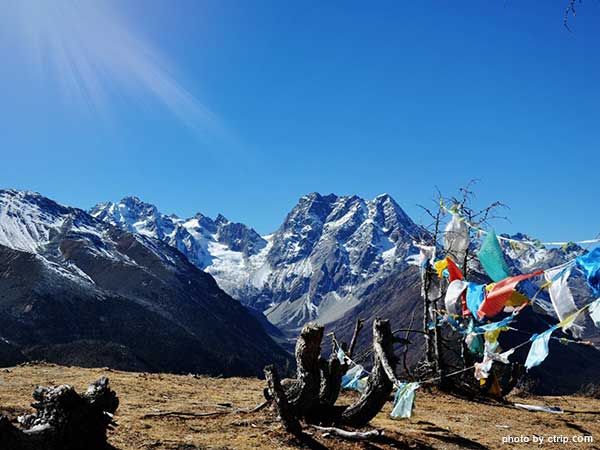

 English