Your China & Yunnan Travel Experts

 Ask a Question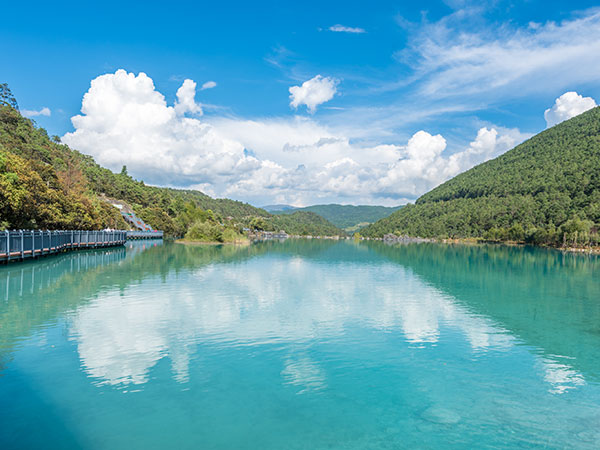
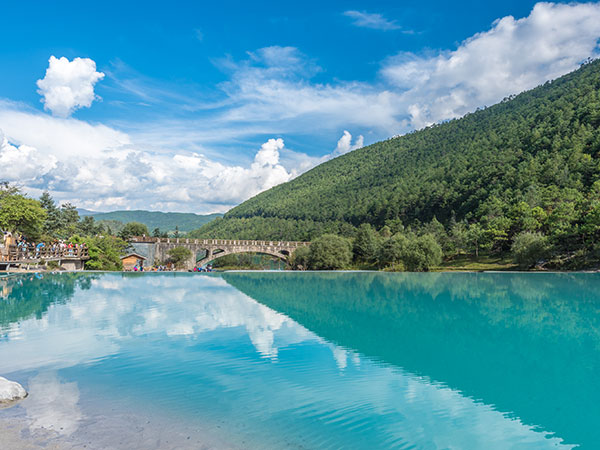
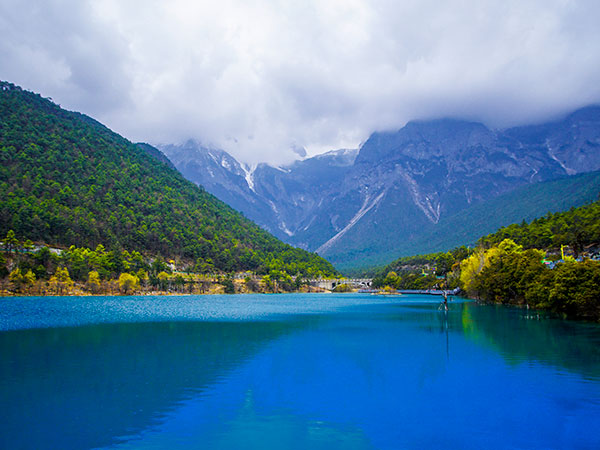
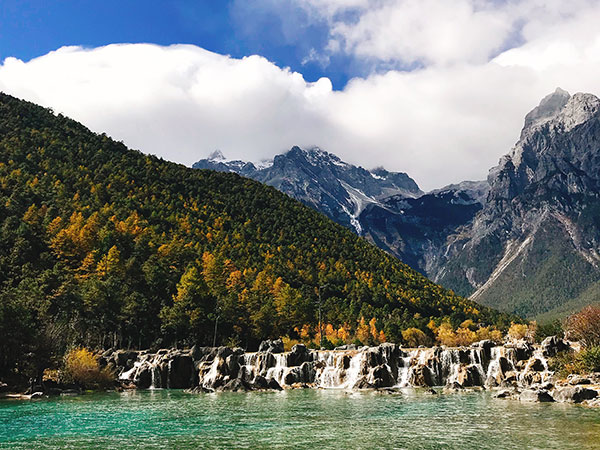
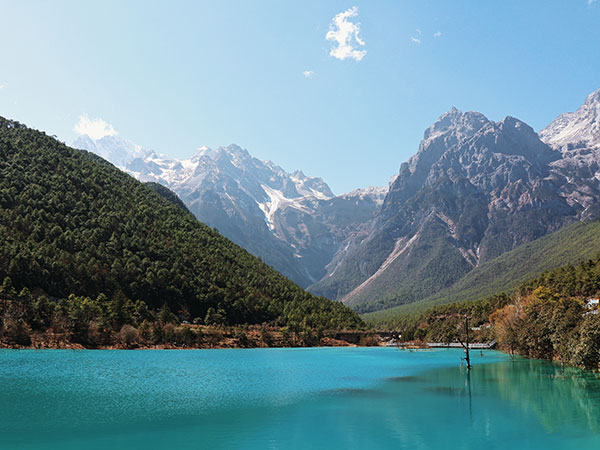
East of Yulong Mountain, Lijiang, Yunnan Province.
Nature view.
The natural beauty of Shika Snow Mountain lies in its ever-changing seasonal charm and rich ecosystem. The mountain is home to a unique vertical landscape that includes snow peaks, alpine lakes, dense forests, grasslands, and rare flora and fauna. Locals often describe the scenery with a poetic phrase:
“In spring, see the green grass; in summer, the flowers; in autumn, the golden colors; and in winter, the snow.”
The ecosystem here is dynamic — clouds drift across snowy peaks, streams carve through meadows, and wild rhododendrons cover the hillsides in vivid colors during May and June. The area’s cultural landscape is equally fascinating, rooted in Tibetan sacred mountain beliefs and Shangri-La’s transhumance culture (seasonal movement of herders). These spiritual and cultural traditions give the natural scenery a deeper vitality and meaning.
To make the most of this scenic wonderland, several themed travel routes have been developed, combining ecological tourism, cultural experiences, and adventure activities.
Cableway & Hiking Pilgrimage Route:
The most popular route combines a two-section cable car ride with a short trek, offering both convenience and breathtaking views.
Ecological and Cultural Hiking Route:
Perfect for nature lovers and photographers, this route leads visitors through alpine meadows and prayer-flag-draped trails, revealing Tibet’s spiritual connection with the land.
Comprehensive Eco-tour Route:
Designed for those who want a balance of adventure, sightseeing, and cultural immersion.
Village Folklore Route:
This route focuses on Tibetan village life, allowing travelers to experience traditional architecture, local crafts, and highland cuisine.
These routes cater to all kinds of travelers — from those seeking soft outdoor adventures and leisure holidays, to scientific researchers studying alpine ecology, and pilgrims following ancient paths of faith.
From the summit, visitors can gaze upon eight sacred snow mountains at once, including Meili, Haba, Biluo, and the Three Holy Peaks of Daocheng Yading, forming a grand lotus-like circle. Local Tibetans believe these mountains represent the “Eight Petals of the Lotus Realm of Shambhala”, a sacred paradise in Tibetan Buddhism.
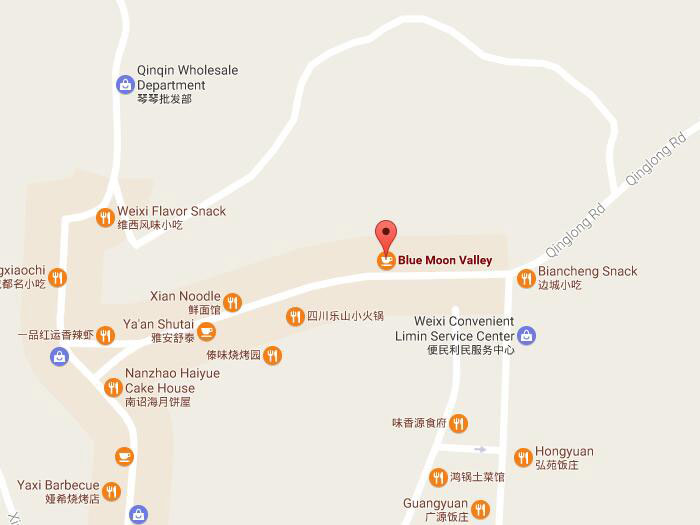
At mid-altitude, you’ll find Lingxi Lake and the Blue Moon Valley (Yan’a Qingbo Pasture) — two must-see spots within the area. Lingxi Lake, surrounded by meadows and spruce forests, shines in a mesmerizing emerald green. When the weather is calm, the snowy peaks are perfectly reflected on the water’s surface. The nearby Blue Moon Valley, with vast grasslands and grazing yaks, offers an idyllic view of alpine life. Both places are ideal for hiking and photography, especially in the morning when mist floats above the lake.
Visitors can choose from multiple ways to tour the scenic area depending on time, fitness level, and preference.
1. Cable Car Route
Take two connected cableways to reach the top directly:
First Section: From the Tourist Center at the foot of the mountain to Yan’a Qingbo Pasture (3,785 m).
Second Section: From the pasture to the Summit (4,449 m).
At the summit, visitors can admire sweeping views of Meili, Haba, and Jade Dragon Snow Mountains. On clear days, clouds roll beneath your feet, and the horizon is a vast panorama of shining white peaks.
2. Wooden Walkway Trail
From the summit, walk along a 2 km wooden trail descending toward Lingxi Lake. Along the way, you can enjoy untouched forests, glacial rocks, and fresh alpine air.
3. Sightseeing Vehicle Return
After visiting Lingxi Lake, many travelers take a sightseeing shuttle back to Yan’a Qingbo Pasture, then descend by the first cableway to the entrance.
4. Trekking Route
Energetic hikers can choose a 5–6 km trekking route from Yan’a Qingbo Pasture to the summit, or in reverse. This route allows deeper interaction with nature — from passing herds of yaks to walking across open meadows under a sky of prayer flags. However, hikers should be well-prepared for altitude and changing weather.
Opening Hours: Generally from 08:30 to 16:00. It’s best to arrive early to fully enjoy the mountain.
Recommended Duration:
Regular route (cable + light hiking): 3–4 hours.
Hiking route: 4–6 hours depending on physical condition.
From Dukezong Ancient Town (Shangri-La): Around 20 minutes by car.
From Lijiang: Approximately 2.5 hours by car.
Transportation Tips: Chartering a private car or joining a local group tour is recommended for convenience.
Autumn (September–October): The most stunning season, with colorful forests, clear skies, and ideal visibility for photographing sacred mountains.
Winter (January–March): The entire mountain turns into a silver wonderland; perfect for snow lovers. The air is crisp, and the sunlight creates dreamlike reflections on the frozen lakes.
Altitude Precautions:
The high elevation may cause mild altitude sickness. It’s recommended to take altitude medicine in advance, move slowly, and rest when necessary. Oxygen bottles are available at stations.
Weather Preparedness:
Weather in the plateau changes rapidly. Even in summer, snow or rain may occur. Bring waterproof jackets, gloves, and warm layers.
Environmental and Cultural Respect:
Do not litter or step on prayer flags. Respect local customs and avoid loud noises near temples or sacred areas.
Safety Tips:
Walk carefully on wooden walkways and rocky paths. Follow scenic signs and stay on marked trails, especially during hikes.
Top Photography Spots
Summit Viewing Platform:
The best place for capturing panoramic shots of the Eight Sacred Mountains in one frame.
Yan’a Qingbo Pasture:
With vast grasslands, yaks, and snow peaks in the background, this is a postcard-perfect scene full of Tibetan charm.
Lingxi Lake:
Ideal for reflection photography. Early morning and late afternoon provide the best light to capture the lake mirroring the snow mountains.
Barley Frame Avenue & Prayer Wheel Avenue:
Popular “Instagram-worthy” spots where prayer wheels, barley fields, and fluttering flags make excellent cultural photos.
From $ 299

 English