Your China & Yunnan Travel Experts


 Ask a Question
|
Month
Item
|
Jan
|
Feb
|
Mar
|
Apr
|
May
|
Jun
|
Jul
|
Aug
|
Sep
|
Oct
|
Nov
|
Dec
|
|
maximum
temperature (℃) |
25.5
|
28.6
|
31.9
|
33.4
|
32.6
|
31.5
|
30.5
|
30.8
|
30.6
|
29.1
|
26.3
|
23.9
|
|
minimum
temperature (℃) |
11.6
|
12.0
|
14.4
|
18.0
|
21.1
|
22.7
|
22.6
|
22.4
|
21.6
|
19.7
|
16.4
|
13.0
|
|
Rainfall (mm)
|
12.4
|
14.7
|
21.8
|
51.5
|
126.8
|
158.5
|
220.2
|
197.7
|
141.1
|
91.2
|
59.4
|
18.3
|
|
Days of rainfall
|
6.2
|
3.6
|
4.4
|
10.1
|
17.4
|
21.1
|
22.9
|
21.3
|
16.6
|
12.9
|
8.9
|
7.6
|
January – Warm, Pleasant, Dry
January is one of the driest and most comfortable months in Xishuangbanna, with warm daytime temperatures around 22–26°C and cooler nights of 12–16°C. Humidity is low and the skies are consistently clear, making it an excellent month for outdoor exploration. Travelers can enjoy rainforest trails, visit the Xishuangbanna Tropical Botanical Garden, or take a leisurely walk through Dai villages. Since mornings and evenings are cooler, a light jacket is recommended. January is highly suitable for travel, and the pleasant climate makes sightseeing easy and enjoyable.
February – Comfortable Temperatures, Growing Festive Atmosphere
February remains dry and sunny, with temperatures similar to January. The climate is stable, with warm days and cool evenings. If the Chinese Spring Festival falls in February, crowds increase significantly, especially around popular attractions like Xishuangbanna Tropical Botanical Garden and Wild Elephant Valley. It’s a great month for photography thanks to clear skies and bright sunlight.
March – Warmer Days, Beginning of the Hot-Dry Period
March becomes noticeably warmer as the region transitions toward early summer. Average daytime temperatures rise to 26–30°C, but still feel comfortable due to moderate humidity. Nights remain cool. March is known for vibrant greenery returning after the driest period, and many travelers enjoy river cruises on the Lancang (Mekong) River. The weather is ideal for biking, hiking, and nature observation.
April – Hotter but Still Manageable
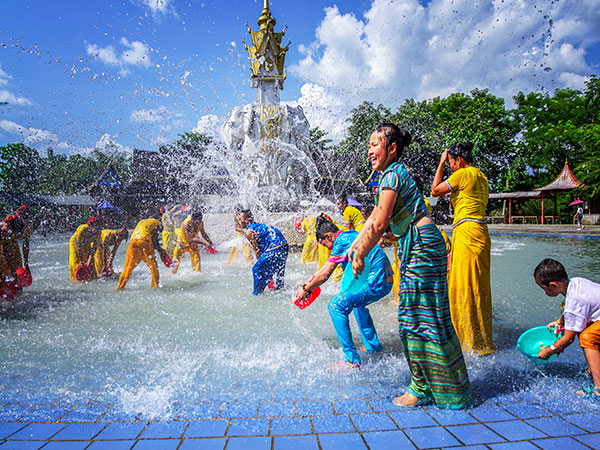
April marks the pre-monsoon heat buildup. Temperatures often range from 28–33°C during the day. Humidity increases gradually, but brief showers may begin to appear toward late April. It is still considered a good month to visit, although midday sun can feel strong. This is also the month of the Water Splashing Festival, the most important Dai celebration, drawing many visitors.
May – Start of the Rainy Season
May is the transition month when the dry season gives way to the monsoon. Early May is still hot and dry, while late May brings more frequent rain and thunderstorms. Daytime temperatures remain around 28–32°C, but humidity rises noticeably. Rain usually comes in short but intense bursts, typically in the late afternoon or evening.
June – Peak Humidity and First Heavy Showers
June is firmly in the rainy season. Expect regular afternoon or evening downpours, lush vegetation, and a very tropical feel. Despite the rain, mornings are often clear and pleasant. The average temperatures remain comfortable at around 25–30°C. Travelers should carry lightweight rain gear and waterproof footwear.
July – Wettest Period of the Year
July is one of the wettest months, with high humidity and frequent heavy rainfall. Storms can be intense but usually pass quickly. Temperatures are stable around 26–29°C. This month highlights the true rainforest atmosphere: misty mountains, vibrant greenery, and cooler evenings. While outdoor excursions are still possible, rain may cause temporary closures on certain jungle trails.
August – Continued Rain, Lush Landscapes
August continues the rainy-season pattern, although rainfall becomes slightly less intense than July. The constant moisture fuels dense tropical growth, making it an excellent month for nature lovers who want to see the rainforest at its greenest. Temperatures remain mild due to cloud cover.
September – Rainfall Begins to Decrease
September is still part of the rainy season, but showers become less frequent. Humidity remains high, though clear days increase significantly, especially toward the end of the month. Temperatures stay around 24–28°C, making this a mild and relaxing period for rainforest photography and slow-paced travel.
October – End of Rainy Season & Return of Comfortable Weather
Early October remains rainy, but by mid- to late October, the dry season begins. Sky visibility improves and humidity drops. Temperatures stabilize around 22–27°C, and this month is widely considered one of the best times to visit. However, the Chinese National Day holiday (Oct 1–7) is extremely busy.
November – Clear, Dry, Ideal for Outdoor Activities
November is one of the finest months for travel: low humidity, stable sunshine, refreshing mornings, and very comfortable temperatures. The rainforest shows a different charm compared to the rainy season—less misty but more accessible. Trekking, mountain viewpoints, and village visits are particularly enjoyable.
December – Mild, Sunny, Refreshing
December is mild and refreshing, with warm days and cool evenings, similar to November but slightly cooler. Daytime temperatures range from 20–25°C, and rainfall is minimal. It’s a relaxing month for leisurely travel, hot springs, and comfortable outdoor activities. December is also good for wildlife viewing because animals are more active in the clear, cool mornings. Travelers should pack a light sweater for early mornings and nighttime strolls, but overall, December is very suitable for a pleasant tropical winter escape.

 English