Your China & Yunnan Travel Experts


 Ask a Question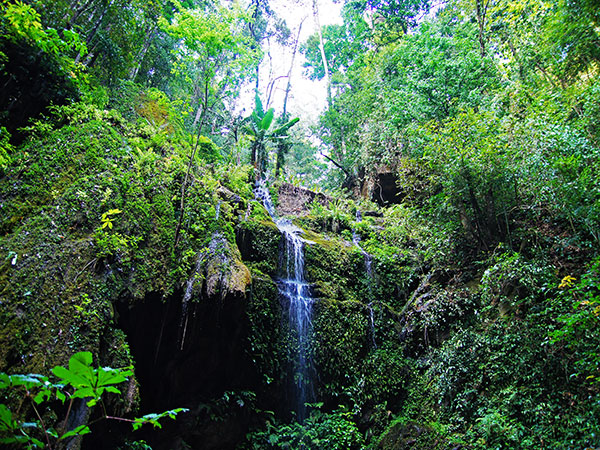
Best Places to Visit During Dry Season
Why the Rainy Season Is Also Beautiful
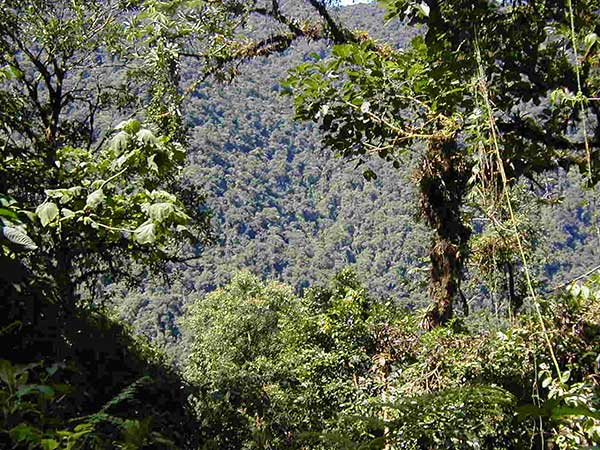
Despite occasional downpours, this is the season when Xishuangbanna is at its greenest and most vibrant. The rainforest becomes lush and full of life. Flowers bloom abundantly across parks and valleys. Waterfalls reach their strongest flow and rivers surge with energy. The air feels especially fresh and oxygen-rich after rain. It’s an excellent time for travelers who enjoy nature at its most dynamic.
Best Places to Visit in Rainy Season
Things to Know Before Visiting
Wear shoes with good traction, as forest paths and park walkways can be slippery.
Bring mosquito repellent, especially for rainforest hikes.
Sudden showers may affect transportation, so leave some flexibility in your schedule.
Protect your electronics with waterproof covers or dry bags.
Peak Travel Reminder (July–August)
Even though it’s the rainy season, summer vacation bring s a surge in domestic tourists. Hotels and popular attractions can become crowded. Booking accommodation and transportation in advance is highly recommended.
January–February: Warm, sunny, and dry, with daytime temperatures often around 20–26°C and very little rainfall. These months are ideal for escaping winter cold in northern China and offer excellent visibility for outdoor activities. Note: Chinese New Year may fall in this period; expect larger crowds and higher hotel prices.
March: Dry, breezy, and pleasantly warm, usually 22–28°C. Rain remains minimal, making it perfect for rainforest walks, botanical gardens, and cultural villages. Travel conditions are stable, but early March can still feel cool in the mornings.
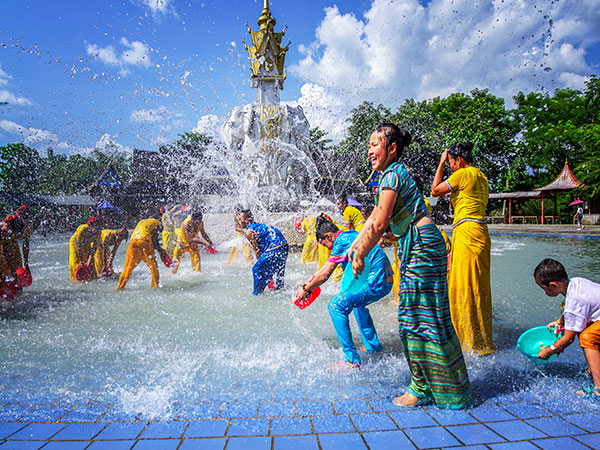
April: Temperatures climb to around 25–32°C, with mostly sunny days. This is one of the busiest months due to the Water-Splashing Festival, which draws both domestic and international travelers. Cultural events are at their peak, but visitors should plan for crowds and book accommodation early.
May–June: Among the hottest months, often 30–34°C with rising humidity. Early monsoon showers begin, usually short and concentrated in the late afternoon. Nature is vibrant, waterfalls are fuller, and mornings are excellent for outdoor tours. The May Day holiday (early May) brings a surge in visitor numbers.
July–August: Peak of the rainy season, with frequent but brief downpours, especially in the afternoon or evening. Daytime temperatures hover around 28–32°C, while humidity is high. Vegetation is at its greenest, offering superb rainforest scenery and soft, misty photography conditions. Tourist numbers also increase due to school summer vacations.
September–October: Rainfall gradually decreases, and comfort improves as temperatures fall to 25–30°C. Skies become clearer, humidity drops, and travel becomes easier. The landscape stays lush from the rainy season. Avoid early October (National Day Golden Week, Oct 1–7), one of China’s busiest travel periods.
| Month | Max Temp (°C) | Min Temp (°C) | Rainfall (mm) | Days of Rainfall | Recommended Rate |
| Jan | 25.5 | 11.6 | 12.4 | 6.2 | ★★★★★ |
| Feb | 28.6 | 12 | 14.7 | 3.6 | ★★★★★ |
| Mar | 31.9 | 14.4 | 21.8 | 4.4 | ★★★★★ |
| Apr | 33.4 | 18 | 51.5 | 10.1 | ★★★★ |
| May | 32.6 | 21.1 | 126.8 | 17.4 | ★★★ |
| Jun | 31.5 | 22.7 | 158.5 | 21.1 | ★★★ |
| Jul | 30.5 | 22.6 | 220.2 | 22.9 | ★★ |
| Aug | 30.8 | 22.4 | 197.7 | 21.3 | ★★ |
| Sep | 30.6 | 21.6 | 141.1 | 16.6 | ★★★ |
| Oct | 29.1 | 19.7 | 91.2 | 12.9 | ★★★★ |
| Nov | 26.3 | 16.4 | 59.4 | 8.9 | ★★★★★ |
| Dec | 23.9 | 13 | 18.3 | 7.6 | ★★★★★ |

 English