Your China & Yunnan Travel Experts


 Ask a Question
Winter (December – February)
Winter is Shenzhen's most pleasant and stable season. Dominated by dry northerly winds from the continental interior, the weather is characterized by abundant sunshine, low humidity, and comfortable temperatures. Frost is virtually unheard of, and snowfall is non-existent. Average daily maximums hover around 19-21°C (66-70°F), while minimums rarely dip below 14°C (57°F), though occasional cold snaps can bring temperatures down to around 10°C (50°F) for a day or two. This is the season for clear skies, making it ideal for outdoor exploration without the oppressive heat of other times.
Spring (March – May)
Spring is a season of rapid transition. It begins relatively dry and warm in March, but as the Asian monsoon begins its northward shift, humidity rises steadily. The most dramatic change occurs in April, when the rainy season truly commences. Rainfall increases exponentially, transforming the landscape into a lush, green vista. Temperatures climb from the pleasant low 20s°C (70s°F) in March to the high 20s°C (low 80s°F) by May. This period is marked by unpredictable weather, with warm, sunny days suddenly giving way to intense afternoon thunderstorms.
Summer (June – September)
This is the core of the monsoon season and Shenzhen's most challenging climatic period. Heat, humidity, and rainfall all peak. Temperatures consistently reach 31-32°C (88-90°F), but the high humidity creates a stifling "feels-like" temperature often much higher. The city experiences two main types of rain: prolonged, steady monsoon rains and intense, short-duration downpours from thunderstorms and tropical systems. July and August are the wettest months, with rainfall often exceeding 300mm each. This period is also the typhoon season. While direct hits are not annual, the city frequently experiences peripheral effects—strong gusts, heavy squalls, and storm surges—as storms pass through the South China Sea.
Autumn (October – November)
Autumn witnesses the gradual retreat of the monsoon. October is a pivotal month: the early part can still feel summer-like with residual heat and humidity, and the tail end of the typhoon season remains a possibility. However, by late October and through November, a dramatic improvement occurs. Northerly winds return, sweeping away the humidity, rainfall diminishes sharply, and skies clear. Temperatures become comfortably warm, ranging from the mid-20s°C (mid-70s°F) to the high teens°C (mid-60s°F). This period offers the most stable and agreeable weather of the year.
| Month Item | Jan | Feb | Mar | Apr | May | Jun | Jul | Aug | Sep | Oct | Nov | Dec |
| Maximum Temperature (℃) |
19.6 | 19.7 | 22.8 | 26.3 | 29.3 | 31.8 | 32.3 | 32.2 | 31.1 | 28.7 | 25.1 | 21.1 |
| Minimum Temperature (℃) |
14.9 | 15.6 | 18.7 | 22.5 | 25.7 | 27.6 | 28.6 | 28.6 | 27.1 | 24.5 | 20.1 | 16.3 |
| Rainfall (mm) | 29.8 | 44.3 | 67.6 | 174.1 | 238.6 | 296.4 | 339.4 | 368.1 | 238.1 | 99.1 | 37.2 | 34.1 |
| Days of rainfall | 1.1 | 1.6 | 2.8 | 5.5 | 11.2 | 15.7 | 14.3 | 14.8 | 11.7 | 4.7 | 1.5 | 1 |
► Navigating the Peak Seasons & Holidays:
Heeding the advice to avoid major Chinese holidays is crucial. During National Day Golden Week (Oct 1-7) and the Spring Festival travel rush, Shenzhen's transport hubs, hotels, and attractions are exceptionally crowded. An additional crowded period is the China Hi-Tech Fair in mid-October, which draws global business visitors. Book all accommodations and transport well in advance if travel during these times is unavoidable.

► What to Pack & How to Prepare:
Summer (Jun-Sep): Essential items include lightweight, breathable (preferably moisture-wicking) clothing, a high-quality umbrella, a waterproof jacket or poncho, sturdy sandals that can get wet, and powerful sunscreen. An anti-chafing balm can be a lifesaver. Always monitor typhoon forecasts from the Hong Kong Observatory or China Meteorological Administration.
Winter (Dec-Feb): Pack layers—long-sleeved shirts, sweaters, a light jacket or coat for evenings. A scarf can be useful against occasional chilly winds.
Spring/Autumn: Layering is key. Have a mix of short and long sleeves, a light jacket, and always carry a foldable umbrella.
Shenzhen's dramatic urban growth has created a pronounced urban heat island (UHI) effect. The vast expanses of concrete, glass, and asphalt absorb and re-radiate heat, making the city center several degrees warmer than the surrounding rural areas and green spaces like Wutong Mountain or the coastal stretches in Dapeng. This effect can make summer nights particularly uncomfortable in dense urban cores.
Furthermore, as a coastal city, Shenzhen is on the frontline of climate change impacts. Projections suggest an increase in the frequency and intensity of extreme weather events, including more potent typhoons, more severe heatwaves, and even heavier episodic rainfall, posing long-term challenges for urban infrastructure and resilience.
In conclusion, Shenzhen's climate is far more than just numbers on a chart. It is a dynamic force that dictates the rhythm of daily life, from wardrobe choices and commute times to festival planning and architectural design. Understanding its subtropical, monsoon-driven character—with its humid summers, mild winters, and dramatic rainy season—is essential for anyone visiting, living in, or doing business in this ever-evolving megacity. By planning around its seasonal patterns and preparing for its extremes, one can fully appreciate the energy and vitality of Shenzhen, whatever the weather may bring.
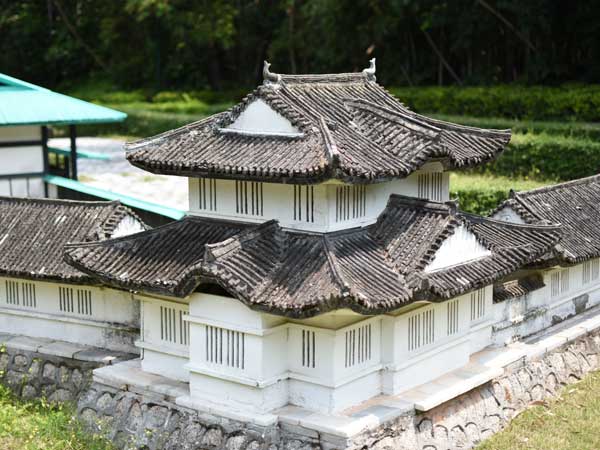
4 Days Shenzhen City and OCT East Tour
Window of the World, Splendid China, China Folk Culture Village, OCT East Shenzhen

 English