Your China & Yunnan Travel Experts


 Ask a Question
Shantou is a Chinese tourist destination located in eastern Guangdong, adjacent to Chaozhou and Jieyang, and bordering the South China Sea in the southeast. As one of China’s special economic zones and a famous hometown of overseas Chinese, it is perfect for overseas Chinese—especially those from Southeast Asian countries like Malaysia and Singapore—to trace their roots and taste authentic Chaoshan cuisine. This article breaks down key facts about Shantou—history, culture, attractions, food and travel tips—to help you plan your trip easily.
1. Basic Facts
2. History
3. Chaoshan Culture
4. Top Attractions
5. Shantou Food
6. Travel Tips
First, let’s start with the basics. Shantou, also historically romanized as Swatow, is a prefecture-level city in eastern Guangdong, China. It sits on the coast of the South China Sea, neighboring Chaozhou and Jieyang cities—together, these three cities form the Chaoshan region, the birthplace of Chaoshan culture and a major source of overseas Chinese communities worldwide.
The city covers an area of 2,199 square kilometers (849 square miles) and has a population of around 5.5 million as of the end of 2024, with most residents being Han Chinese who speak the Teochew (Chaoshan) dialect, a branch of Southern Min that many overseas Chinese in Southeast Asia still speak or understand today.
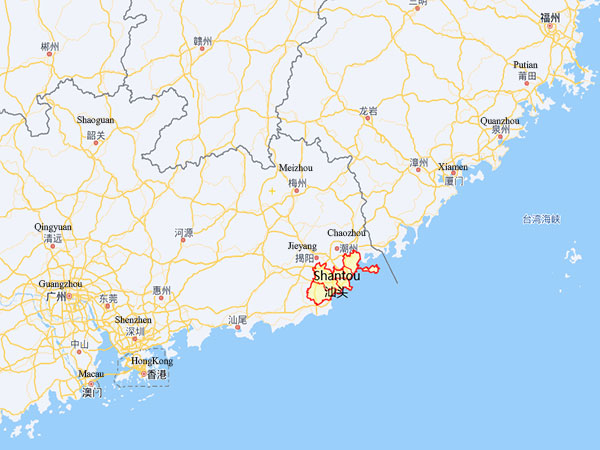
Shantou’s climate is subtropical, which means it’s warm and humid year-round—perfect for those who prefer mild weather. The average annual temperature is around 22°C (71.6°F), with summers (June to October) being hot and wet (average high around 32°C/89.6°F) and winters (December to March) being cool and dry (average high around 18°C/64.4°F). The best time to visit Shantou is from early October to early December, when the weather is cool, sunny, and comfortable for sightseeing and outdoor activities.
As a coastal city, Shantou has a long coastline stretching for more than 289 kilometers, with many beautiful islands, bays, and beaches—most famously Nan’ao Island, one of the largest and most beautiful islands in Guangdong. The city is also an important port, with a history of maritime trade dating back hundreds of years, which is why it became a key gateway for Chinese emigrants to Southeast Asia in the 19th and 20th centuries.
Shantou’s history is closely tied to overseas Chinese, making it a special place for many Southeast Asian Chinese to trace their roots. The city has a history of more than 1,000 years, but it rose to prominence in the 19th century when it became one of China’s five treaty ports after the Opium War. This opened up Shantou to international trade, and many local people began to migrate to Southeast Asia—Thailand, Malaysia, Singapore, Indonesia, and the Philippines—to seek better opportunities. Today, there are more than 10 million overseas Chinese of Chaoshan descent living around the world, with a large number in Southeast Asia.
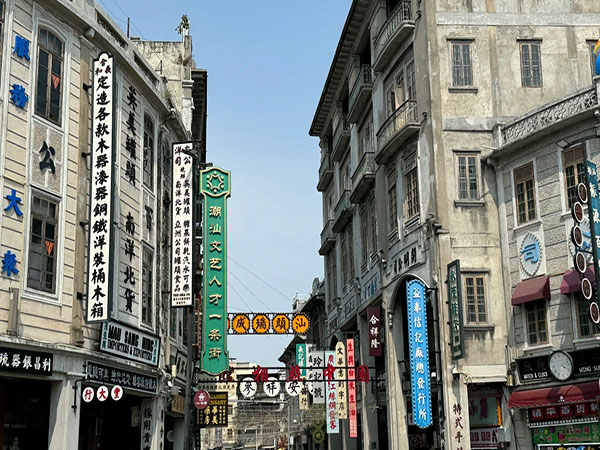
For many overseas Chinese, Shantou is a place to connect with their family history. Many of the old buildings in Shantou’s Old Town (Small Park Area) reflect the influence of Southeast Asian architecture, with European-style columns, Chinese roof tiles, an Nanyang decorative details. These buildings were built by overseas Chinese who returned to Shantou after making their fortunes in Southeast Asia, bringing back new ideas and architectural styles. Walking through the Old Town, you’ll feel a strong sense of familiarity if you’re from a Southeast Asian country with a large Chaoshan community.
In 1981, Shantou became one of China’s first special economic zones, which helped it develop rapidly into a modern coastal city while preserving its traditional culture. Today, it’s a mix of old and new—you’ll find modern skyscrapers and shopping malls alongside ancient temples and traditional markets.
The local language is Teochew (Chaoshan dialect), which is spoken by about 10 million people in the Chaoshan region and more than 5 million overseas. It’s a branch of Southern Min and has eight tones—more than Mandarin (four tones) and Cantonese (six tones). Many overseas Chinese in Southeast Asia still speak Teochew at home, so you’ll feel right at home communicating with locals in Shantou. Mandarin is also widely spoken, especially in hotels, restaurants, and tourist areas, so you won’t have any trouble getting around if you don’t speak Teochew.
Gongfu tea (Kungfu tea) is an important part of Chaoshan culture, and Shantou is one of the best places to experience it. Gongfu tea is a traditional way of making and serving tea, using small teapots and cups to brew strong, fragrant tea. It’s not just a drink—it’s a social activity, a way to welcome guests, and a symbol of hospitality. In Shantou, you’ll find tea houses everywhere, where locals gather to drink tea, chat, and relax. The most popular teas in Shantou are Phoenix Dancong (a type of oolong tea) and Tieguanyin (Iron Goddess of Mercy), both of which are grown locally in the surrounding mountains.
Shantou has a rich variety of traditional arts, including Teochew opera, which has a history of more than 500 years. Teochew opera is known for its beautiful costumes, delicate singing, and stories about Chinese history and folklore. It’s still popular in Shantou today, and you can watch performances in local theaters or during festivals. Another traditional art is chaozhou embroidery, which is famous for its intricate designs and bright colors—many overseas Chinese collect chaozhou embroidery as a way to keep their cultural heritage alive.
Small Park Old Town (Shantou Old Town)
This is the heart of Shantou’s history and culture, and it’s a must-visit for anyone coming to the city. The Small Park Area gets its name from the small round park in the center, surrounded by old buildings with Nanyang-style architecture. These buildings were built in the early 20th century by overseas Chinese, and many of them are now home to traditional shops, restaurants, and tea houses. You can walk along the streets, take photos of the beautiful buildings, visit the Shantou Post Office Museum (a historic building with unique European-style design), and explore the local markets.
Nan’ao Island
It’s the largest island in Guangdong Province, located about 30 kilometers from Shantou’s city center. The island is known for its crystal-clear waters, white sandy beaches, and lush green mountains. You can take a ferry from Shantou’s莱芜 Port to the island (the ferry ride takes about 1 hour), and once you’re there, you can rent a scooter or a car to explore. The top spots on Nan’ao Island include Qing’ao Bay (a beautiful beach with calm waters, perfect for swimming and sunbathing), the North Tropic of Cancer Marker Tower (a landmark that marks the Tropic of Cancer passing through the island), and the Zongbingfu (ancient military headquarters with a history of more than 600 years).
Chen Cihong’s Former Residence
Chen Cihong was a famous overseas Chinese businessman who made his fortune in Southeast Asia in the late 19th century. He returned to Shantou and built a large mansion that combines Chinese and Western architectural styles. The mansion covers an area of more than 20,000 square meters, with more than 500 rooms, gardens, and courtyards. It’s a perfect example of how overseas Chinese brought back Western ideas and blended them with traditional Chinese culture. It’s a great place to learn about your ancestral history if you’re of Chaoshan descent.
Other Attractions
Shantou has many other great attractions, including Mayu Island (a small, quiet island with beautiful beaches and murals), the Chaoshan History and Culture Expo Center (where you can learn about Chaoshan culture, history, and overseas Chinese migration), and the Queshi Scenic Area (a mountainous area with beautiful views of the sea and the city). If you have time, you can also visit the老妈宫 (a historic temple dedicated to the sea goddess Mazu, who is worshipped by many overseas Chinese in Southeast Asia) and the Shantou Botanical Garden (a peaceful place to relax and enjoy nature).
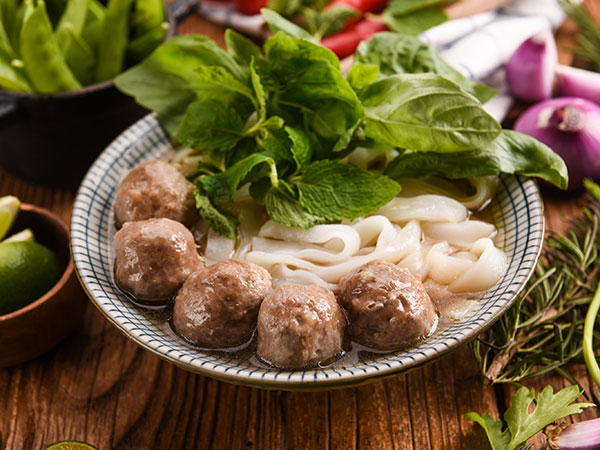
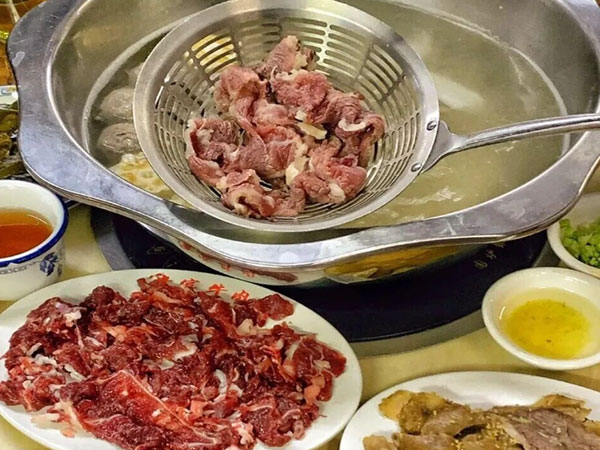
Shantou’s food is the core representative of Chaoshan dietary culture, featuring diverse textures of freshness, fragrance, glutinousness and elasticity, which fully reflects the ultimate pursuit of the original flavor of ingredients and the persistence of traditional craftsmanship. Its coastal geographical location makes seafood the soul of Shantou’s cuisine. "Dalan" (cold seafood dishes) such as marinated raw shrimp, blood clams and fish rice, which stimulate the original freshness and sweetness of ingredients with minimal seasoning, are known as "seafood ice cream" by food lovers. The beef hot pot with freshly slaughtered and cut beef takes delicacy to the extreme—different parts such as Diaolong (sirloin) and Wuhuazhi (five-flower tendon) have distinct textures, and when paired with the mellow shacha sauce, every bite is a commitment to freshness. The hand-beaten beef balls and Dahao fish balls hide the craftsmanship of artisans in their chewy texture; daily foods such as rice noodle soup and rice rolls also turn simple ingredients into unforgettable flavors with slow-simmered soup bases and freshly ground rice milk.
At the same time, Shantou’s food also integrates a unique flavor of balanced saltiness and sweetness, along with a strong sense of market vitality. Braised goose and pork knuckle rice, with the savory aroma of old brine, are staple dishes on the table; sugar green onion pancakes and yam balls with red bean or lotus seed filling (Yam Mu Nian) soothe the taste buds with a sweet flavor, carrying the childhood memories of local people.
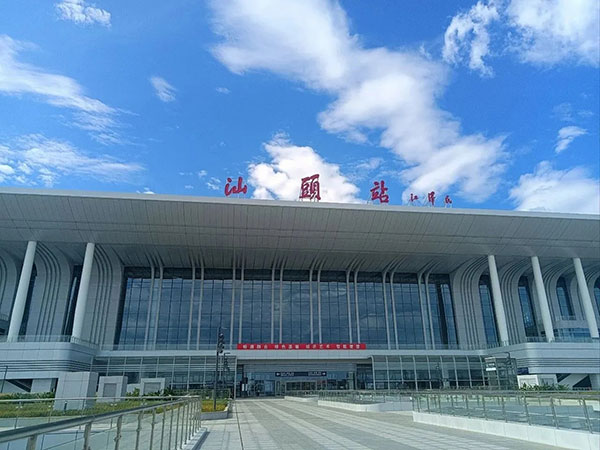
Getting to Shantou: Transportation to Shantou is quite convenient, and the most recommended way is by high-speed train. Currently, the Shantou-Shanwei High-Speed Railway with a speed of 350 kilometers per hour has entered the central urban area, allowing fast direct access from cities such as Guangzhou, Shenzhen and Xiamen. If you choose to fly, you need to arrive at Jieyang Chaoshan International Airport, which is shared by Shantou, Chaozhou and Jieyang cities, about 28.5 kilometers away from Shantou's urban area. After landing, you can take the airport express bus to Shantou's urban area (about 1 hour's drive) or take a taxi directly. In addition, Shantou also has a Bus Terminal, Passenger Transport Center Station and other stations, connecting cities within the province and surrounding provinces.
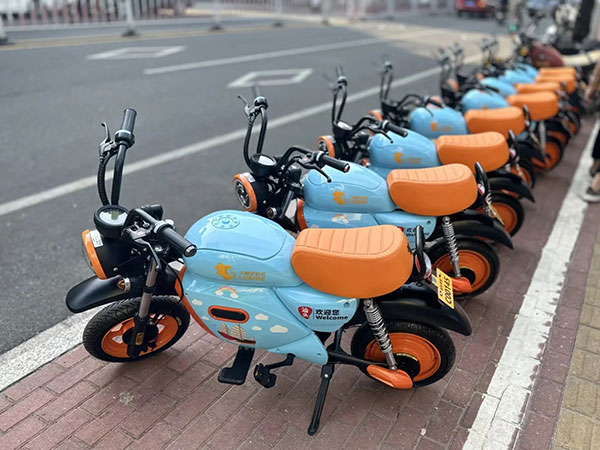
Getting around Shantou: For travel within the urban area, you can give priority to ride-hailing apps or shared electric scooters, which are flexible and convenient, especially suitable for walking through the alleys of the Old Town to find food. The bus system is also well-developed, with extensive routes and a general fare of 2 yuan. If you want to go to Nan'ao Island, you can take a bus from the urban area to the island or choose a chartered car. It should be noted that traffic jams are likely to occur in the central urban area of Shantou during peak hours, and parking spaces in the Old Town are tight, so it is recommended to arrange your travel time reasonably.
When traveling to Shantou, it is recommended to stay near Longyan Road Food Street or Small Park in Jinping District. This area is the center of Shantou’s Old Town, gathering a large number of well-reputed time-honored shops and Internet-famous snack bars. There is also a wide variety of accommodation types here, making it convenient for you to deeply experience the market life and cultural heritage of Shantou, a century-old commercial port.
If you value modern urban convenience and commercial supporting facilities more, you can choose the area around Mixc City and Suning Plaza in Longhu District. This is the core commercial district of Shantou, with convenient transportation and close to Shantou High-Speed Railway Station. Of course, if you plan to visit Nan’ao Island, staying on the island is your first choice.
The currency in Shantou is the Chinese Yuan (RMB). You can exchange money at the airport, banks, or currency exchange offices. Most shops, restaurants, and hotels accept mobile payment (Alipay and WeChat Pay), which is very convenient. If you don’t have a Chinese bank account, you can link your international credit card to Alipay or WeChat Pay, or carry cash for small purchases (street stalls, markets, etc.).

 English