Your China & Yunnan Travel Experts


 Ask a Question
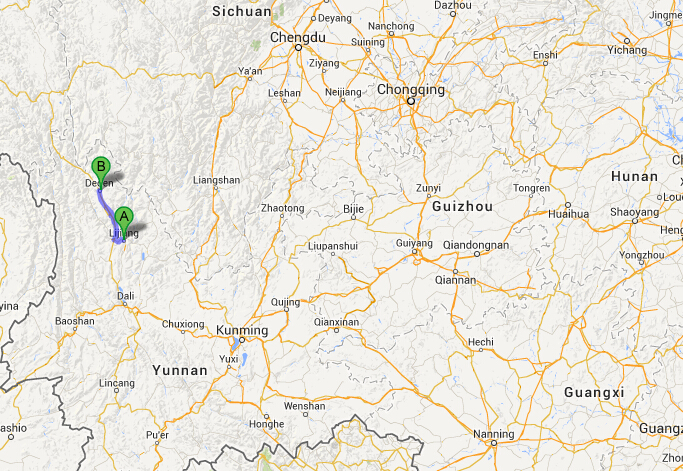
Traveling between Lijiang and Shangri-la is one of the most classic routes in northern Yunnan. The distance is around 187 km, and the journey offers dramatic landscapes, from river valleys to high-altitude pastures. Many travelers combine the two destinations in one trip because the transition from the Naxi culture of Lijiang to the Tibetan-influenced world of Shangri-la feels like a gradual journey into a different realm. Below is a full guide to all transportation options and useful tips to help plan your route.
Why Choose This? Ultimate freedom. You can set your own schedule, stop for photos at stunning viewpoints like the Jinsha River bend, and explore off-the-beaten-path villages. It's ideal for families, small groups, or anyone with limited time who wants to maximize their experience.
About 187 km highway mileage and about 3 hours drive from Lijiang to Shangri-la. There are a total of 15 buses every day from 7:00 to 17:00. There is direct bus going to Shangri-la county in Lijiang Bus Station, and in Lijiang Express Bus Terminal and New Passenger Station there are many buses to go to Shangri-la, 4 hours' drive, fares around 72 Yuan.During the off-season you do not need pre-buying, but during the peak season you need to pre-buy the bus ticket ahead of a day or two days earlier.
The route is mountainous but mostly well-maintained. Travelers prone to motion sickness should consider taking medication before the ride. Windows often open for fresh air, offering better comfort and allowing passengers to enjoy the view of river gorges, Tibetan villages, and highland pastures.
Transportation in Lijiang
Lijiang’s attractions are relatively scattered, including Lijiang Ancient Town, Shuhe Ancient Town, Baisha Village, and Jade Dragon Snow Mountain. Transportation options include:
1. Public Buses
Public buses cover most urban areas, including the ancient towns. They are cheap and convenient for short-distance travel, although they may not reach remote scenic spots.
2. Taxis and Didi
Taxis are readily available, and ride-hailing apps like Didi work smoothly in Lijiang. This is convenient for transferring between the old towns and bus stations.
3. Tourist Shuttle Buses
Special tourist buses operate to Jade Dragon Snow Mountain, Blue Moon Valley, and Lugu Lake. These buses depart from Lijiang’s main tourism service centers and eliminate the need for negotiating with drivers.
4. E-bikes and Bicycles
In Shuhe and Baisha, many shops rent e-bikes and bicycles. These are perfect for exploring rural villages and scenic countryside at your own pace.
Transportation in Shangri-la
Shangri-la sits at a high altitude with attractions distributed over long distances. Public transport is limited, so most visitors rely on hired vehicles.
1. Taxis
Taxis are available in the town center, mainly around Dukezong Ancient Town and the commercial districts. For longer rides, fares must be negotiated in advance.
2. Local Minibuses
Some minibuses connect the county town with suburbs and small villages. However, schedules are unstable, and routes are limited.
3. Tourist Buses to Scenic Spots
During peak season, shuttle buses operate to major attractions such as:
Pudacuo National Park
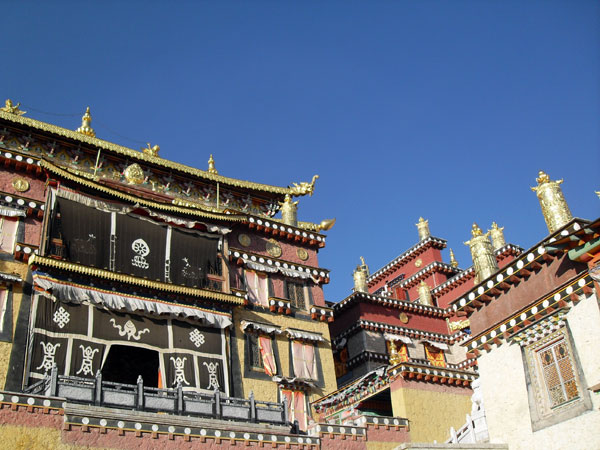
Songzanlin Monastery
Napa Lake
These tourist buses are reliable and cost-effective.
4. Charter Cars
For attractions like Bala Village, White Horse Snow Mountain, or Deqin, charter cars remain the most convenient option. Drivers are familiar with high-altitude roads and changing weather conditions.
Recommended to join in the group tour in Lijiang, there are many attractions in Shangri-la so it is not convenient to take bus.
Group tours provide door-to-door service, a guide who explains the culture and environment, and a stress-free way to enjoy the stunning landscapes of northern Yunnan.

 English