Your China & Yunnan Travel Experts


 Ask a Question
Regong art is a centuries-old Tibetan Buddhist art form known for its exquisite thangka paintings and intricate metalwork. If you want to experience Re-gong art, Qinghai’s Tongren County (known as the heartland of this tradition) is the perfect place to go. This article will guide you through the origins and essence of Re-gong art, show you how to engage in hands-on workshops with local masters, and help you plan an unforgettable cultural journey.
Regong art (also known as Thangka art or Rebkong art) is a UNESCO-listed intangible cultural heritage originating from Tongren County in Qinghai's Huangnan Tibetan Autonomous Prefecture, characterized by its vibrant Tibetan Buddhist-themed thangka paintings, murals, embroidery sculptures, and architecture decorations that blend Indian, Nepalese, and Han artistic influences with distinctive local styles. Developed since the 13th century around Longwu Monastery, it features intricate iconography of Buddhist deities, folklore narratives, and natural motifs executed with mineral pigments in gold-dominated palettes, traditionally taught through monastic apprenticeships and now innovatively adapted into cultural creative products.
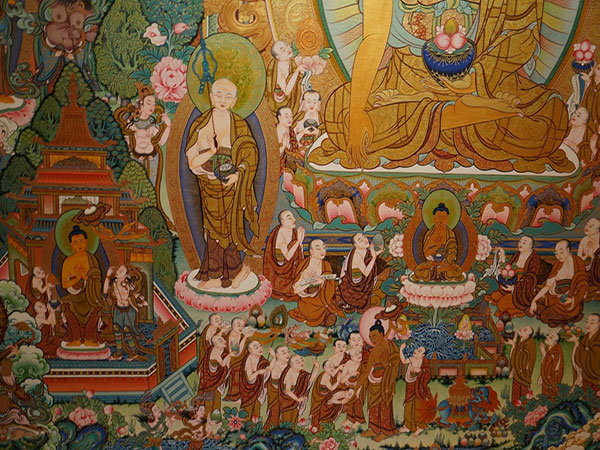
The history of Re-gong art can be traced back to the 13th century, during the rise of Tibetan Buddhism in the region. It began as a monastic tradition centered on Longwu Monastery, where monks and lay artists collaborated to create sacred thangka paintings and religious sculptures for temples. Over the centuries, the art form flourished, integrating influences from Indian Buddhist art, Nepalese craftsmanship, and Chinese painting techniques brought by trade and pilgrimage routes.
During the Ming and Qing dynasties, Re-gong art reached new heights as it became highly sought-after by monasteries across Tibet and Mongolia. Local artistic communities, especially in Tongren’s Wutun and Nianduhu villages, developed their own distinctive schools and family lineages, each known for subtle stylistic differences in line work, color application, and decorative motifs.
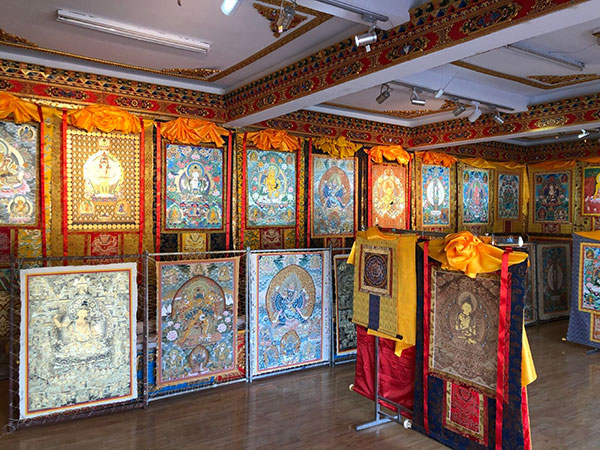
In modern times, Re-gong art has evolved beyond monastic settings. While it continues to play a vital role in Tibetan Buddhist practice, it has also gained recognition as a cultural treasure. Today, artists produce both traditional religious pieces and contemporary works, ranging from murals and wood carvings to innovative cultural products like jewelry, home decor, and souvenirs. This dynamic evolution keeps the Re-gong artistic tradition alive, bridging the sacred and the secular while attracting art lovers from around the world.
Thangka Painting Workshop
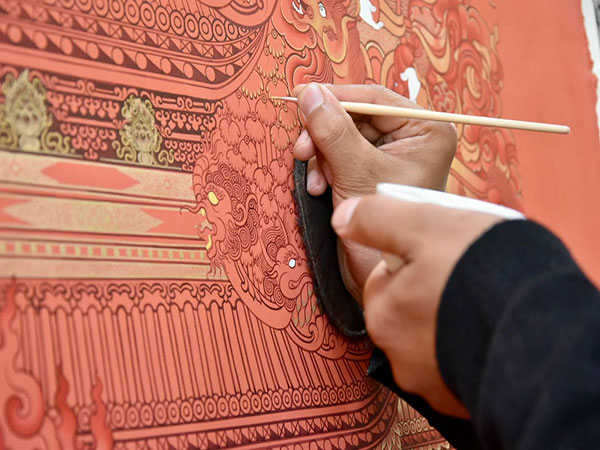
Join a workshop in Wutun Village or at the Re-gong Art Museum to learn the sacred process of creating thangka paintings under the guidance of national-level inheritors of this UNESCO intangible heritage. You’ll be introduced to canvas preparation, mineral pigment grinding, intricate line drawing, and color application—the meditative practice locals call “cultivation on the tip of the brush.” Workshops typically cost around 200–500 RMB per painting (small-size thangkas are recommended for beginners).
Temple Art Exploration
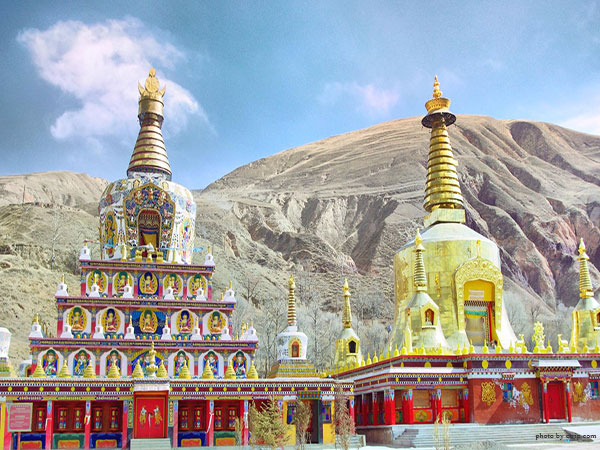
Visit Longwu Monastery, home to magnificent golden statues, clay sculptures, and murals that showcase the spiritual heart of Re-gong art. The upper and lower halls of Wutun Monastery also offer paid access for visitors to admire vibrant frescoes and religious decorations while feeling the seamless integration of art and devotion.
Cultural Village Walks
Stroll through Wutun Village, where nearly every household is engaged in thangka creation. Feel free to step into family-run studios to observe artists at work or join local festivities such as the June Festival (held in July), where Re-gong culture comes alive with performances and rituals. For festival visits, pre-booking accommodations is highly recommended.
Visit Regong Art Museum
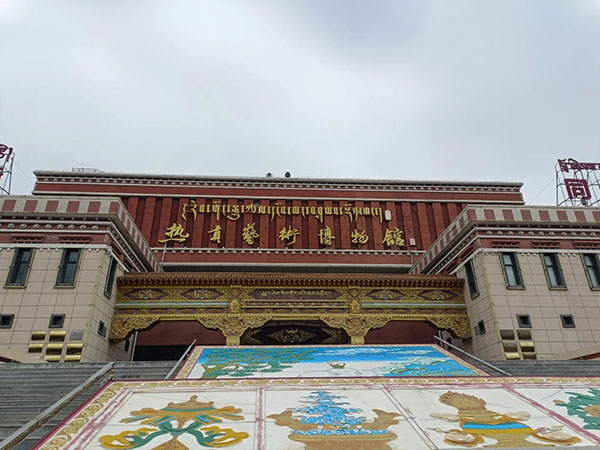
Spend a few hours at the free-entry Re-gong Art Museum in Tongren, which houses over 2,000 masterpieces spanning from the 11th century to modern times, including thangkas, sculptures, and embroidery. Hiring a local guide or renting an audio device is highly recommended to deepen your understanding of the complex symbolism and craftsmanship.
Travel Tips:
If you have more time and wish to fully immerse yourself in the world of Re-gong art, consider following the route below. This itinerary is centered around the Tongren Re-gong Historical and Cultural City Scenic Area, a National 4A Tourist Attraction. Along the way, visitors can explore historical and cultural relics, experience intangible cultural heritage, appreciate the beauty of thangka paintings, and savor traditional Tibetan cuisine.
It’s a beautiful countryside leisure route that integrates sightseeing, cultural experiences, local cuisine, outdoor activities, art photography, natural scenery, and rich Tibetan heritage.
Distance from Xining: Longwu Monastery is approximately 156 km from Xining (about 2 hours by car). Guomeri Ancient Fortress is around 7.8 km from Tongren city center (15 minutes by car).
Suggested Itinerary: Longwu Monastery — Longwu Old Street — Renjun Thangka Academy — Lower Wutun Monastery — Nagarjuna Thangka Studio — Hua’er Valley Scenic Area — Guomeri Ancient Fortress — Re-gong Art Museum
Route Highlights
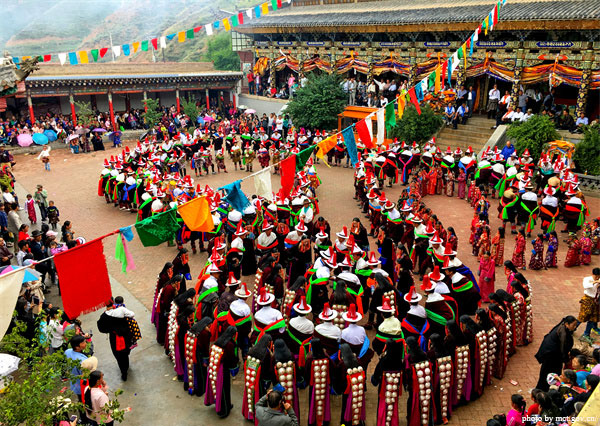
Re-gong June Festival: This grand folk festival, held annually from lunar June 17 to 25 in the Longwu River basin, is a vibrant celebration among the local Tibetan and Tu ethnic groups. Recognized as a National Intangible Cultural Heritage, the festival features ritual dances, Tibetan opera performances, and religious processions, earning Tongren the title of “Hometown of Tibetan Re-gong Mask Dances.”
Nian Duhu “Yutu” Dance (年都乎“於菟”舞): An ancient ritual dance unique to Nian Duhu Ancient Fortress in Tongren, performed annually on lunar November 20. Listed as a National Intangible Cultural Heritage, this primitive yet fascinating ceremony symbolizes prayers for good fortune and peace.
Nearby Attractions
Tongren Re-gong Historical and Cultural City Scenic Area: Located in the northeastern part of Huangnan Prefecture, this cultural hub encompasses Longwu Monastery, Wutun Village, Nian Duhu, Guomeri Ancient Fortress, and other landmarks. Rich in heritage, it preserves Tibetan culture through thangka art, Re-gong mask dances, Re-gong Tibetan opera, and numerous protected historical sites.
Hua’er Valley Scenic Area: A countryside leisure destination offering tourism, dining, lodging, fruit picking, fishing, archery, hiking, and cultural entertainment—a perfect spot for eco-tourism and family-friendly activities.
Signature Tibetan Dishes: Yak butter tea, Re-gong baked bread, hand-pulled Tibetan noodles, yak yogurt, roasted mutton, barley tsampa, Tibetan steamed buns, and Tibetan-style desserts.
Halal Specialties: Hui-style “Eight Dishes Banquet,” sheep intestines, braised mutton.
Creative Souvenirs: Hand-painted thangkas, Tibetan jewelry, prayer beads, colorful woven textiles, and locally made cultural crafts.

 English