Your China & Yunnan Travel Experts


 Ask a Question
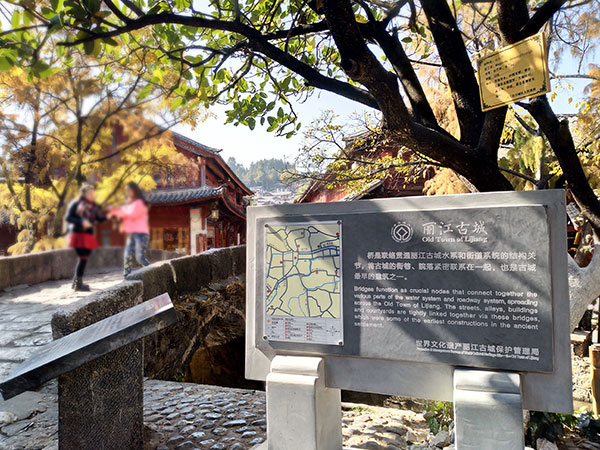
Lijiang is an ancient city in China, renowned for its breathtaking highland scenery and the profound cultural heritage of the Naxi people. In 1997, Lijiang Ancient Town was inscribed onto the UNESCO World Heritage List, a testament to its exceptional preservation and unique historical value as a living center of ethnic culture and urban planning. Its history, however, stretches back far beyond its iconic canals and cobblestone lanes, weaving a complex narrative of migration, indigenous kingdom-building, strategic imperial integration, and remarkable cultural endurance.
Lijiang's significance as a human habitat dates to profound antiquity. Archaeological evidence establishes it as one of Southwest China's crucial zones of early human activity. As early as 100,000 years ago, during the late Paleolithic Age, Homo sapiens known as "Lijiang Man" thrived in the region. Discoveries such as fossilized skulls and stone tools near Muli and other sites confirm a long and continuous human presence. This deep historical layer predates the formation of any distinct ethnic group, positioning the Lijiang basin as a longstanding sanctuary within the rugged contours of the Himalayan foothills.
The foundational ethnic and political history of Lijiang begins with the southward migration of the Naxi people. Their ancestors, believed to be related to the ancient Qiang tribes from the Qinghai-Tibet plateau, gradually moved into the Lijiang area during the Tang and Song Dynasties, escaping conflict and seeking new pastures. They assimilated or displaced earlier inhabitants, establishing a distinct society rooted in agriculture and a unique spiritual worldview.
From the late Song Dynasty onward, the Mu family (木氏) began to consolidate power as hereditary chieftains (tusi). Their ascendancy is intertwined with a pivotal historical moment: in 1253, Kublai Khan, leading the Mongol armies on his campaign to conquer the Dali Kingdom, passed through Lijiang. The Mu chieftain, Mu Liang, wisely submitted, offering crucial logistical support. In return, the Yuan Dynasty formalized his authority. It was during this period that the name "Lijiang" (丽江, meaning "Beautiful River," referring to the Jinsha River) first appeared as an administrative designation.
The Ming Dynasty (1368-1644) marked the golden age of the Mu chieftains. Demonstrating unwavering loyalty to the Ming emperors, the Mu family received the imperial surname Zhu as an honor. They adapted it to "Mu" (木), symbolizing their role as the "timber" supporting the imperial house. As Ming power waned in the 17th century, the Mu chieftains' palaces were described by travelers as "magnificent and beautiful as those of a prince," rivaling many imperial estates in splendor.
The Mu rulers were not merely warlords but sophisticated patrons of culture. They fostered a unique syncretic civilization:
The Qing Dynasty's consolidation of power in the 18th century brought an end to this semi-autonomous era. In 1723, the Yongzheng Emperor implemented the policy of "Gaitu Guiliu" (改土归流), or "replacing native chieftains with state-appointed officials." This policy dismantled the hereditary tusi system across Yunnan. In Lijiang, the power of the Mu chieftains was abolished, and the area was brought under direct imperial administration, establishing Lijiang Prefecture. In 1770, it was reorganized as Lijiang County. While this ended local dynastic rule, it also accelerated cultural and economic integration with the rest of China.
The 20th century saw Lijiang navigate the currents of modern China while striving to preserve its identity. A landmark event occurred in 1961 with the establishment of the Lijiang Naxi Autonomous County, formally recognizing the Naxi people's right to self-governance within the Chinese national framework.
The true global acknowledgment of Lijiang's unique value came in 1997. UNESCO inscribed "The Old Town of Lijiang" as a World Cultural Heritage site. The justification highlighted its outstanding universal value as:
This designation, however, came with challenges. The tragic 1996 Lijiang earthquake caused significant damage but also spurred a major, internationally-supported restoration effort that adhered to strict conservation principles. In the decades since, Lijiang has transformed into a premier global tourist destination. This has brought economic prosperity but also pressures of commercialization and cultural commodification.
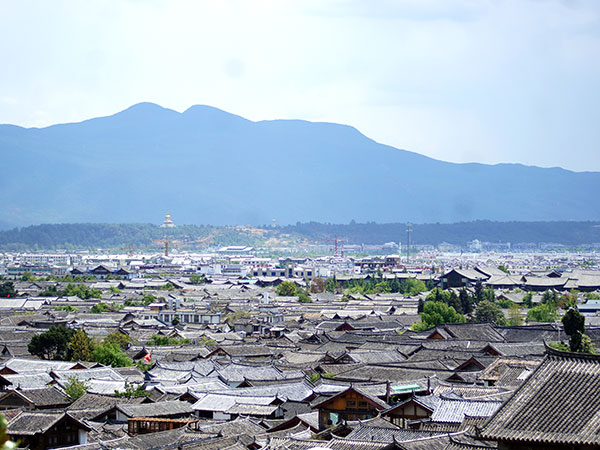
Today, Lijiang's history is a palpable presence. It is seen in the flowing canals and cobblestone streets of the ancient town, heard in the ancient Naxi music performed by elders, and felt in the preserved Dongba manuscripts. It stands as a powerful narrative of how an indigenous highland culture, through strategic adaptation, patronage, and resilience, created a civilization of remarkable beauty and intellectual depth, now recognized as a treasure for all humanity.

 English