Your China & Yunnan Travel Experts


 Ask a Question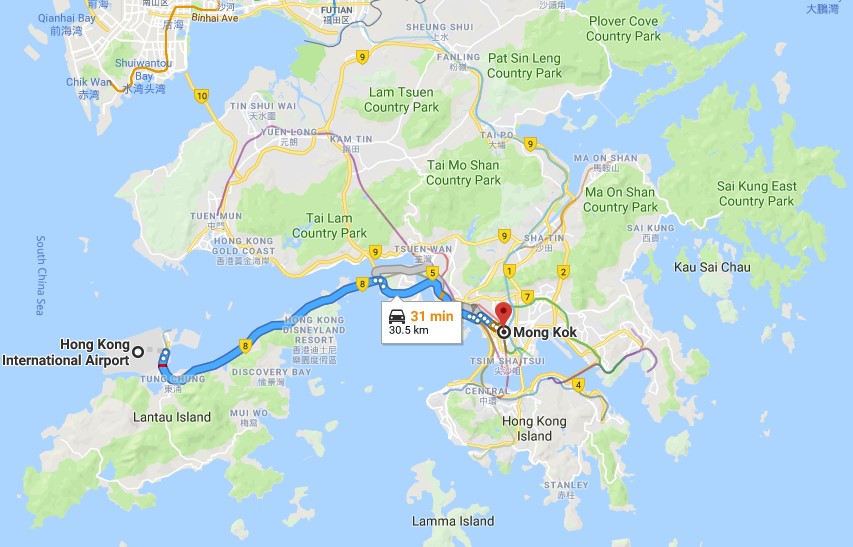
Hong Kong International Airport (IATA: HKG, ICAO: VHHH), located in Chek Lap Kok, Lantau, New Territories, Hong Kong, is one of the busiest airports in the world. It is about 34 kilometers from the city centre of Hong Kong.
Hong Kong’s downtown area mainly refer to the four business districts, namely Tsim Sha Tsui Commercial Circle(尖沙咀商圈), Mong Kok/Yau Ma Tei Commercial District (旺角/油麻地商圈), Central/Sheung Wan Commercial District (中环/上环商圈), Causeway Bay Commercial District (铜锣湾商圈). If you arrive in one of these 4 business districts, you can arrive in others by taxi, bus, subway, etc. within 15 minutes.
There are a couple of ways for you to choose from to get to the city center from Hong Kong International Airport (HKIA). Airport express, airport bus and taxi are the most used means among visitors.
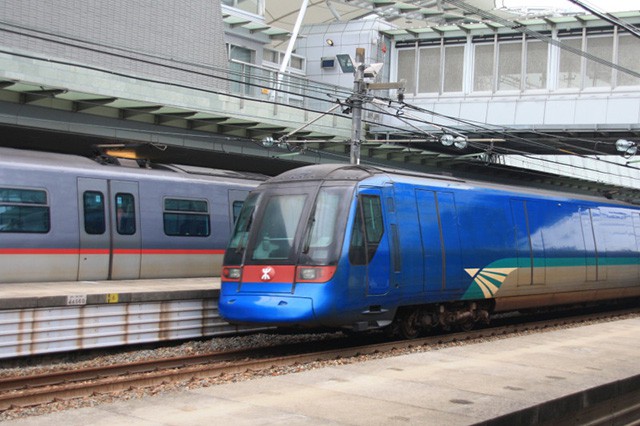
The Airport Express is widely regarded as the top choice for travelers heading to the city center, and for good reason. It combines speed, comfort, and value, making it particularly ideal for those with luggage or who want to start their trip without hassle. Operated by the MTR Corporation, this dedicated rail line is designed specifically for airport passengers, with spacious carriages that can easily accommodate suitcases and large bags.
The journey from HKIA to Central Station (the line’s terminus on Hong Kong Island) takes approximately 24 minutes—far quicker than other land transport options. Trains run at frequent intervals, departing every 12 minutes during peak hours (7:00 am to 11:00 pm) and every 15–20 minutes during off-peak times. The service operates from 5:50 am to 12:48 am the next day, ensuring coverage for most flight arrivals and departures.
Ticket prices are reasonable: a one-way adult fare to Central is HK$100, while a round-trip ticket costs HK$180 (valid for 30 days). Children aged 3–11, seniors aged 65 and above, and people with disabilities are eligible for a 50% discount. Payments can be made using an Octopus Card (Hong Kong’s contactless transit and payment card), which is highly recommended for its convenience, or via ticket machines and counters at the airport station.
One of the biggest perks of the Airport Express is its value-added services. Passengers can enjoy free in-town check-in at Central and Kowloon stations for most major airlines, allowing them to drop off their luggage and collect boarding passes up to 24 hours before their flight—saving precious time on the day of departure. Additionally, free shuttle buses (designated as S1, S56, etc.) connect the Airport Express stations to over 100 major hotels in Kowloon and Hong Kong Island, eliminating the need for additional transportation from the station to your accommodation.
For budget-conscious travelers, airport buses are an excellent alternative. They offer the lowest fares among the three main options while still providing reliable service to key parts of the city. The main advantage of taking an airport bus is affordability: most routes cost between HK$20 and HK$40, making them ideal for solo travelers or those looking to save money.
The travel time varies depending on the route and traffic conditions. On average, it takes 60–90 minutes to reach the city center, but during peak hours (8:00 am to 10:00 am and 5:00 pm to 7:00 pm) or inclement weather, this can extend to 2 hours or more. It’s important to factor in extra time if you’re traveling during these periods.
Airport buses are categorized by letter codes, each serving different areas of Hong Kong:
"A" routes: These are the "Airport Express Bus" routes, designed for faster travel to major commercial districts. They make fewer stops and have dedicated luggage racks, making them the most popular choice among tourists. A11 and A21 are the two most frequented routes."E" routes: Known as "External routes," these buses serve residential areas in the New Territories and Kowloon. They make more stops and have limited luggage space, so they’re better suited for local commuters rather than tourists with large bags."N" routes: These are night buses that operate after midnight, catering to passengers on late-night flights. They follow similar routes to the "A" and "E" buses but with adjusted schedules.
The A11 route is perfect for travelers heading to Hong Kong Island, as it stops at Central, Admiralty, Wan Chai, Causeway Bay, Fortress Hill, and North Point. The A21 route is ideal for Kowloon, running along Nathan Road (Hong Kong’s famous shopping street) and stopping at Mong Kok, Yau Ma Tei, Jordan, Tsim Sha Tsui, and Hung Hom Station. All airport buses depart from the Ground Transportation Centre, located just outside the Arrival Hall (Exit B1 or B2) of the airport terminal. Bus stops are clearly marked with route numbers and destinations, and staff are available to assist with directions and luggage.
Taxis offer the ultimate convenience and comfort, making them a great choice for travelers with heavy luggage, families, or those arriving on late-night flights. Unlike public transport, taxis take you directly from the airport to your hotel or destination without the need for transfers, saving time and effort.
Hong Kong taxis are color-coded based on the areas they serve: red taxis operate in Hong Kong Island, Kowloon, and most of the New Territories; green taxis serve only the New Territories (excluding major towns); and blue taxis are limited to Lantau Island. From HKIA, you will take red taxis to the city center, as they are the only ones permitted to travel to all downtown areas.
The travel time by taxi is typically 45–60 minutes without traffic, but this can increase to 90 minutes or more during rush hour. The fare is metered, with an initial charge of HK$24 for the first 2 kilometers, followed by HK$1.7 for every 200 meters (or 1 minute of waiting time). Additional charges apply for luggage (HK$6 per piece if stored in the trunk) and tolls for tunnels (e.g., the Cross-Harbour Tunnel to Hong Kong Island costs HK$20–30). On average, the fare to Tsim Sha Tsui or Mong Kok is around HK$250–350, while to Central or Causeway Bay it is HK$300–400. It’s important to note that taxis do not accept credit cards, so you should have enough Hong Kong dollars on hand (though some drivers may accept Octopus Cards).
Taxi stands are located just outside the Arrival Hall (Exit A1 or A2) of the airport terminal, with staff directing passengers to available cabs. Drivers are generally friendly and familiar with major hotels and tourist attractions, but it’s helpful to have your destination written down in Chinese to avoid any confusion.
Related Readings:
How to Get to Hong Kong Convention and Exhibition Centre from Hong Kong Airport
How to Get to Guangzhou from Hong Kong
Victoria Peak, Aberdeen, Ruins of St. Paul's, Macau Museum or Maritime Museum, Macau Tower

 English