Your China & Yunnan Travel Experts


 Ask a Question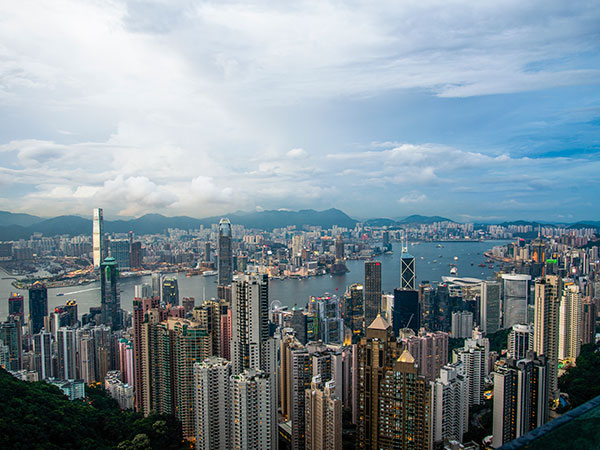
►Aviation: Hong Kong International Airport (HKIA) – Global Hub for the New Era
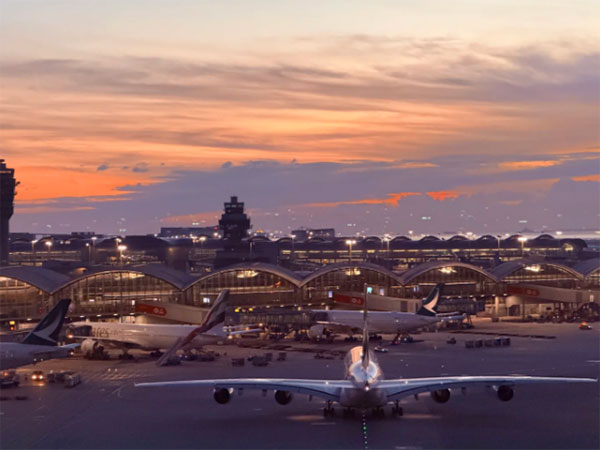
Officially opened on July 6, 1998, Hong Kong International Airport remains the sole functioning civil aviation airport in Hong Kong and has solidified its position as one of the world’s most dynamic aviation hubs. As of 2024, HKIA has expanded its global reach to connect approximately 220 destinations across more than 50 countries and regions, including over 50 cities on the Chinese mainland. This represents a significant leap from the 160 destinations reported a decade ago, underscoring its role as a key gateway between Asia and the rest of the world.
In terms of operational scale, HKIA now accommodates over 120 airline companies, with an average of 1,100 flights taking off and landing daily – a 22% increase from the 900 daily flights previously. While official 2024 passenger traffic data is pending release, the airport rebounded strongly in 2023, handling over 48 million passengers, a figure that is expected to surpass 55 million in 2024 as international travel fully recovers. Notably, HKIA has retained its crown as the world’s busiest airport for international cargo, with 2023 cargo throughput reaching 4.1 million metric tons, a testament to its critical role in global supply chains.
HKIA’s infrastructure continues to evolve to meet growing demand. The airport’s three-runway system, which became fully operational in 2022, has significantly enhanced its capacity, allowing it to handle up to 120 million passengers annually by 2030. In a bid to strengthen connectivity with the Greater Bay Area (GBA), HK Express Airways expanded its “Air + Ferry Pass” network in April 2024 to cover all six major ports in the GBA, including Guangzhou Nansha, Shenzhen Shekou, and Zhongshan. This initiative provides 51 daily sailings, enabling seamless transfers between GBA cities and HKIA, further solidifying Hong Kong’s status as a regional transport hub.
►Railway: High-Speed Connectivity Redefining Regional Travel
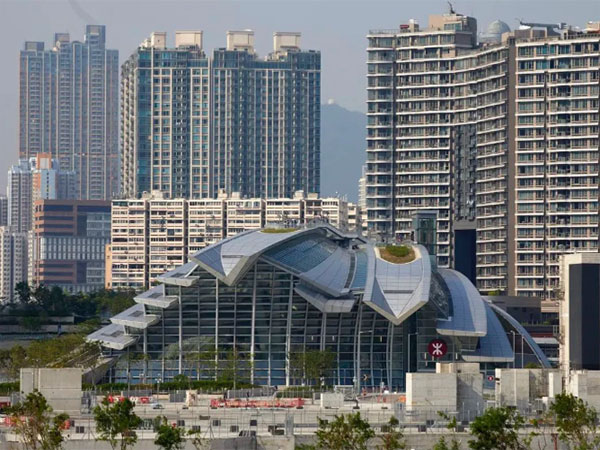
West Kowloon
The Guangzhou-Shenzhen-Hong Kong High-Speed Rail (HSR), which officially commenced operations in September 2018 (a delay from the originally planned 2015 opening), has transformed cross-border travel. Stretching 145 km in total, with a 26 km Hong Kong section terminating at West Kowloon Terminus, the HSR now offers over 110 daily services to the mainland, a substantial increase from its initial operating frequency. The travel times remain efficient: 47 minutes from Guangzhou South to West Kowloon (down from the projected 51 minutes) and 14 minutes from Shenzhen North to West Kowloon, making commuting between major GBA cities faster than ever.
In 2024, the HSR network has expanded its reach to connect Hong Kong with over 44 mainland cities, including Beijing, Shanghai, and Chengdu, via intercity services. The Kowloon-Canton Railway (KCR), which previously served as a key rail link to Hung Hom Station, now operates in synergy with the HSR, offering integrated ticketing and transfer services. Passenger volume on the Hong Kong section of the HSR exceeded 18 million in 2023, and this figure is expected to grow by 15% in 2024 as cross-border tourism and business travel continue to surge.
►MTR (Hong Kong Subway)
As Hong Kong’s primary public transport system, the MTR has expanded beyond its original nine routes to now include 11 operational lines, connecting Hong Kong Island, Kowloon, and the New Territories. The network includes the Tuen Ma Line (completed in 2021), which integrates the former West Rail Line and Ma On Shan Line, creating the longest rail line in Hong Kong at 56 km. This expansion has significantly improved connectivity to new development areas such as Kai Tak and Tseung Kwan O South.
MTR services operate from approximately 5:30 a.m. to midnight, with trains arriving every 2-4 minutes during peak hours and 4-8 minutes during off-peak periods. The fare structure has been adjusted to reflect inflation and network expansion, with fares ranging from HK$4.5 (for two stations, e.g., Admiralty to Central) to HK$65 (for long-haul routes such as Lo Wu to Tung Chung). The MTR also introduced a contactless payment system in 2023, allowing passengers to use mainland e-wallets such as Alipay and WeChat Pay, further enhancing convenience for cross-border travelers.
►Bus
Hong Kong’s bus network remains a vital component of urban transport, operated by several major companies with specialized route networks: New World First Bus (NWFB) and Citybus serve Hong Kong Island; Kowloon Motor Bus (KMB) dominates Kowloon and the New Territories; and New Lantao Bus (NLB) covers Lantau Island. In 2024, the network has seen significant adjustments to meet changing passenger demand.
On August 19, 2024, KMB launched XHT Route 987, connecting Sai Wan Ho (Tai On Street) to Fo Tan (Chun Yeung Estate), operating on weekdays from 5:00 p.m. to 7:20 p.m. with a frequency of 10-20 minutes. Concurrently, the afternoon return services of XHT Routes 986 and 989 were canceled to optimize resource allocation. The full fare for Route 987 is HK$19.0, with section fares available from HK$6.3. Additionally, NLB extended the trial period of additional departures for Route 34 from November 24, 2024, to February 23, 2025, adjusting departure times to better serve passengers traveling between Tung Chung and Shek Mun Kap. Urban bus fares now start from HK$3.2, reflecting a modest increase to cover rising operational costs.
►Taxi
Hong Kong’s taxi fleet, known for its reliability and accessibility, continues to operate across the city, with over 18,000 taxis in service. As of July 14, 2024, taxi fares were adjusted following government approval to address rising operating costs. The flagfall charge for the first 2 km increased to HK$29 for urban taxis (up from HK$27), HK$25.5 for New Territories taxis (up from HK$23.5), and HK$24 for Lantau taxis (up from HK$22). Beyond the flagfall, incremental charges for each 200m traveled under first-tier rates rose to HK$2.1 for urban taxis and HK$1.9 for New Territories and Lantau taxis.
All taxis are equipped with digital meters, air conditioning, and payment terminals supporting credit cards and mobile payments. The government has also introduced a taxi driver training program in 2024 to enhance service quality, focusing on language skills and customer service, particularly to cater to the growing number of international tourists.
►Tram
Hong Kong’s iconic double-decker trams, in operation since 1904, continue to be a beloved mode of transport and a popular tourist attraction. The tram network spans 13 km along Hong Kong Island, connecting Kennedy Town in the west to Shau Kei Wan in the east, passing through vibrant neighborhoods such as Western District, Wanchai, and Causeway Bay. In 2024, the tram service retained its uniform fare of HK$2.6 (a slight increase from HK$2.3), making it one of the most affordable transport options in the city.
The tram fleet, consisting of 165 heritage-style vehicles, underwent a minor upgrade in 2023 to improve accessibility, with 10 trams now equipped with ramps for passengers with disabilities. Services operate from 6:00 a.m. to midnight, with trams arriving every 3-6 minutes during peak hours, offering a unique and leisurely way to experience Hong Kong’s urban landscape.
►Ferry service
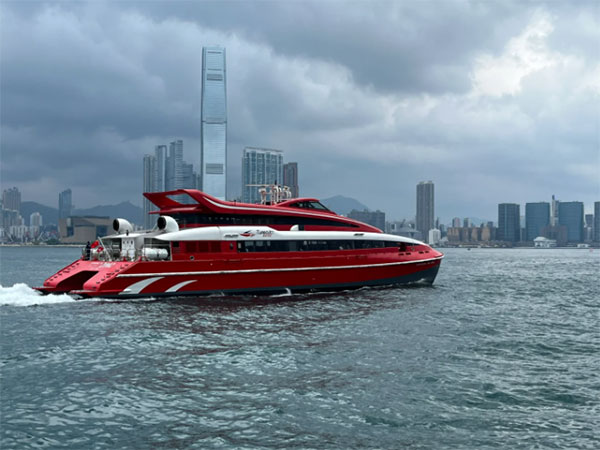
Hong Kong’s ferry network remains an essential link between Hong Kong Island, Kowloon, outlying islands, and neighboring regions. Major operators include Star Ferry, New World First Ferry, and Hong Kong & Kowloon Ferry. In 2024, the network was enhanced with the expansion of cross-border ferry routes, particularly to GBA cities. The “Air + Ferry Pass” initiative by HK Express has also boosted ferry traffic, with 51 daily sailings connecting HKIA to six GBA ports, including Guangzhou Nansha and Shenzhen Shekou.
Inter-island services, such as those to Lamma Island and Cheung Chau, continue to operate with increased frequency during weekends and public holidays. The Star Ferry, a Hong Kong landmark since 1888, maintains its routes between Tsim Sha Tsui and Central/Wan Chai, with fares ranging from HK$2.2 to HK$3.7 for adults, offering breathtaking views of Victoria Harbour.
►Peak Tram
The Peak Tram, operational since 1888, remains one of Hong Kong’s most popular tourist attractions, combining transportation with panoramic views. The 1.4 km tram line connects Central Garden Road Terminus to Victoria Peak, ascending at a maximum gradient of 27 degrees. In 2024, the tram service retained its operating hours from 7:00 a.m. to midnight, with departures every 10-15 minutes. The fare structure was adjusted to HK$40 for adults (one-way) and HK$20 for children, with discounted round-trip tickets available.
The Peak Tram underwent a major upgrade in 2021, increasing its passenger capacity by 65% to 210 passengers per carriage. The upgrade also improved the tram’s safety systems and comfort, ensuring a smoother journey. From the tram, passengers can enjoy unparalleled views of Victoria Harbour, Hong Kong’s skyline, and the surrounding mountains, making it a must-visit experience for tourists and locals alike.

 English