Your China & Yunnan Travel Experts


 Ask a Question
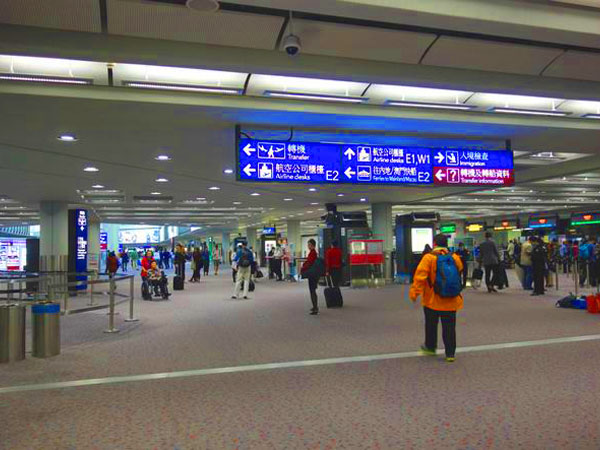
Hong Kong International Airport, commonly known as Chek Lap Kok Airport, is located in Chek Lap Kok, Lantau Island, Hong Kong. It is currently the only functioning civil aviation airport in this city. Hong Kong International Airport has 96 parking bays and two runways, operating for 24-hour. It is recognized as five-star airport by Skytrax, and since 2001, it has been listed among the top three airports, in the meanwhile, it was rated as the world's best for 8 times. Hong Kong International Airport was rated as the Best Airport for 4 times in China. And in the airport category whose annual passenger volume is over 40 million people, it get elected as the best in the world by the International Airports Council.
|
English Name:
|
Hong Kong International Airport
|
|
Chinese Name
|
香港国际机场
|
|
Location
|
Chek Lap Kok, Lantau Island, Hong Kong
|
|
Service From
|
1998
|
|
Type
|
International Airport
|
|
IATA:
|
HKG
|
|
ICAO:
|
VHHH
|
|
Distance from Beijing City
|
34 km
|
HKIA is consistently ranked among the best airports in the world, holding a 5-star rating by Skytrax and recognized for its top-notch facilities and customer service. Over the years, it has consistently ranked as one of the top three airports globally, often securing the number one position for best airport and best airport services. It is the only airport in Hong Kong, and its modern facilities and exceptional service have contributed to Hong Kong’s reputation as a premier travel destination.
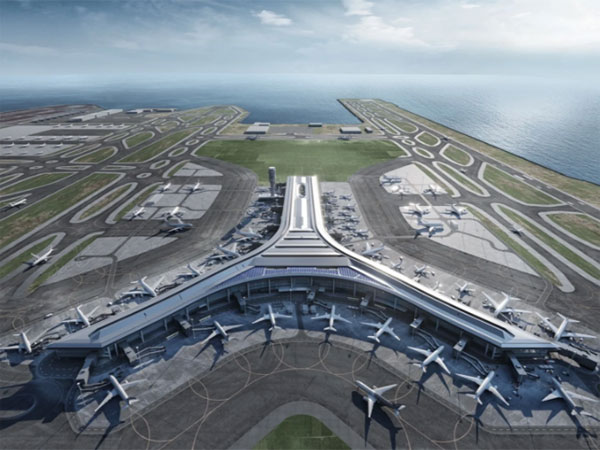
Hong Kong International Airport features two runways, both of which are long and wide enough to accommodate the newest generations of wide-bodied jets, including the Airbus A380 and Boeing 747.
Runway Specifications:
Length: 3,800 meters
Width: 60 meters
These runways allow for the continuous and efficient movement of aircraft, even during peak travel hours. As one of the world’s busiest airports, HKIA can handle up to 68 aircraft movements per hour.
The airport consists of two major terminals and a range of supporting infrastructure. Let’s explore the features of each terminal in detail.
Terminal 1 (T1) is the first and largest passenger terminal of Hong Kong International Airport. It covers a sprawling area of 570,000 square meters, making it one of the largest airport terminal buildings in the world at the time of its opening.
However, in 2008, Terminal 3 of Beijing Capital International Airport surpassed it in size. Despite this, Terminal 1 remains a key operational hub for international flights and remains the busiest terminal at the airport.
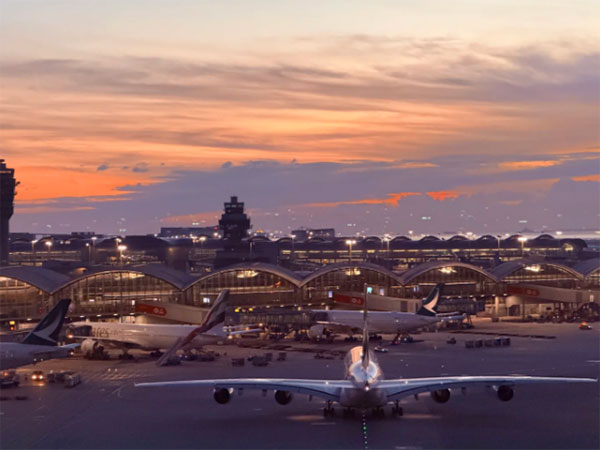
Passenger Capacity: Capable of handling over 50 million passengers per year.
Facilities: The terminal is equipped with modern check-in counters, security screening areas, and a wide range of passenger services, including luxury shopping, fine dining, and various lounges.
Shopping and Dining: HKIA boasts an extensive shopping experience, with everything from high-end brands like Chanel and Gucci to popular local stores. The airport’s duty-free shopping is among the best in Asia, offering competitive prices and exclusive items. For dining, visitors can find a wide selection of both local Hong Kong cuisine and international options, ranging from Michelin-starred restaurants to casual eateries.
Transportation Connectivity: Terminal 1 is well-connected to other parts of Hong Kong via the Airport Express Line, which takes passengers to Hong Kong Central in just 24 minutes. There is also a comprehensive system of buses, taxis, and airport shuttles that connects to different regions of Hong Kong and neighboring cities like Shenzhen in mainland China.
Terminal 2 (T2) opened in February 2007 and serves as a vital addition to the overall airport infrastructure. It is located adjacent to Terminal 1 and connects seamlessly to it. Terminal 2 serves mainly low-cost carriers and regional flights but also houses important services and facilities for all passengers.
Size: The terminal has a total area of 140,000 square meters, providing sufficient space for its functions.
Facilities: Terminal 2 includes airline check-in counters, lounges, and ticketing counters. One of the most interesting features is the Skypier, a ferry terminal that connects the airport with Macau, allowing for a seamless air-to-sea transport experience.
Skypier: Skypier is a unique water transport terminal located in Terminal 2. This facility allows passengers arriving at Hong Kong International Airport to transfer directly to Macau, Zhuhai, and other Pearl River Delta cities via ferry. This connection further strengthens Hong Kong’s position as a transport hub in the region.
Bus Connections: The terminal is also a transportation hub with buses that connect to mainland China, making it a critical part of the airport's transport ecosystem.
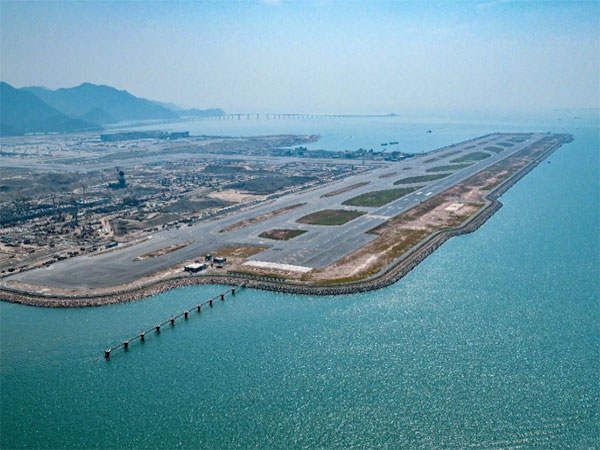
Cargo Handling: Hong Kong International Airport is a major air cargo hub, handling millions of tons of cargo annually. Its cargo facilities are some of the most advanced in the world, making it one of the largest air cargo terminals globally. The airport is a vital link for global trade, particularly in electronics, pharmaceuticals, and luxury goods.
SkyCity: Hong Kong International Airport is part of the larger SkyCity development, which includes hotels, commercial buildings, and entertainment facilities. Among the features in SkyCity is the AsiaWorld-Expo, a large exhibition and conference center that hosts international events, concerts, and trade shows.
Air Traffic Control: HKIA is equipped with state-of-the-art air traffic control technology, ensuring safe and efficient management of the airport’s vast air traffic operations. The Hong Kong Civil Aviation Department (HKCAD) oversees the airport's air traffic control system, ensuring smooth operations.
Green Initiatives: The airport has received recognition for its efforts to reduce its carbon footprint and promote environmental sustainability. It has been involved in various green initiatives, including the development of green roofs, waste reduction programs, and the promotion of sustainable travel practices.
|
First Letter Ordering
|
Cities
|
|
A
|
|
|
B
|
Beijing-Capital, Beijing-Nanyuan, Beihai
|
|
C
|
Chengdu, Changsha, Chongqing, Changchun
|
|
D
|
Dalian
|
|
E
|
|
|
F
|
Fuzhou
|
|
G
|
Guangzhou, Guilin, Guiyang,
|
|
H
|
Hangzhou, Harbin, Haikou, Hefei
|
|
I
|
|
|
J
|
Jinan, Jinzhou, Jinjiang
|
|
K
|
Kunming, Kashgar
|
|
L
|
|
|
M
|
Meizhou
|
|
N
|
Nanchang, Nanjing, Ningbo, Nanning
|
|
O
|
|
|
P
|
|
|
Q
|
Qingdao,
|
|
R
|
|
|
S
|
Shanghai-Pudong, Shanghai-Hongqiao, Shenzhen, Shijiazhuang, Shenyang
|
|
T
|
Tianjin, Taiyuan
|
|
U
|
Urumqi
|
|
V
|
|
|
W
|
Wuhan, Wenzhou, Wuxi, Wuyishang
|
|
X
|
Xian, Xiamen, Xuzhou
|
|
Y
|
Yangzhou, Yichang
|
|
Z
|
Zhengzhou
|
Also, there are many international flights departing from and arriving at Hong Kong. Hong Kong International Airport (HKIA) is located less than five flying hours from half of the world's population. It is the busiest cargo gateway and one of the world's busiest passenger airports in the world.
►More transportation information: Hong Kong transportation
►Recommended Hong Kong Tour: 4 Days Best Hong Kong Tour (Attractions: Victoria Peak, Aberdeen, Repulse Bay, Hong Kong Disneyland)

 English