Your China & Yunnan Travel Experts


 Ask a Question
Many people travel to Hong Kong with a quick trip for shopping, business or transiting flight. Actually, Hong Kong is worth a fine taste by exploring on foot slowly. We are going to introduce the walking routes in Hong Kong to you so that you could enjoy a quite different Hong Kong tour.
Sheung Wan stands as one of Hong Kong's cultural and historical hubs, and among its oldest districts. Its streets and alleys brim with traces of history and traditional charm.
Begin your journey by exiting Sheung Wan MTR Station via Exit B. Walk west along Des Voeux Road until you reach Western Market. Originally opened in 1901 as a traditional market, this building stands as one of Hong Kong's oldest surviving market structures. Designated a Hong Kong Monument in 1990, it showcases quintessential Edwardian architecture with a facade rich in Western classical elements. Today, Western Market has been transformed into a modern shopping center offering a variety of handicrafts, antiques, collectibles, and more—a paradise for visitors who love vintage styles. Here, you can purchase handmade crafts or simply admire the well-preserved historic architecture.
Continuing along Des Voeux Road, you'll reach the renowned Ginseng and Bird's Nest Street, a microcosm of Hong Kong's traditional culture. Morrison Street and Hollywood Road form the heart of this district, lined with traditional shops selling bird's nest and ginseng—Hong Kong's classic nourishing ingredients like bird's nest, cordyceps, and ginseng. Hong Kong locals often use these ingredients to prepare desserts and nourishing soups. Strolling around these shops offers insight into Hong Kong's traditional culinary culture and the chance to sample local delicacies.
Continuing along Morrison Street, you'll enter Antique Street, where Hollywood Road is Hong Kong's renowned antique market. Shops lining both sides display an array of precious antiques, from Ming and Qing dynasty porcelain to ancient bronzeware, jade pieces, and calligraphy and paintings. If you enjoy collectibles or have an interest in history, this is a place you won't want to miss. Many shops specialize in century-old handicrafts and antiques, bearing witness to Hong Kong's historical transformation from colonial times to modernity.
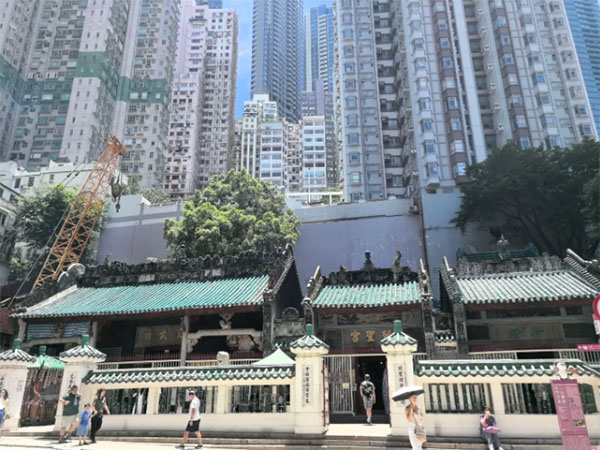
Man Mo Temple
Continuing along Hollywood Road, you'll reach Man Mo Temple. Dedicated to the God of Literature and the God of War, it stands as one of Hong Kong's oldest temples. Many locals come to pray for academic success and career prosperity, filling the temple with incense smoke and infusing the surrounding streets with a rich cultural atmosphere. Here, you can quietly admire the ancient architecture within the temple and feel the profound depth of traditional religious culture.
Continuing along the alleys of Sheung Wan, you'll discover Wing Lee Street, a street that preserves Hong Kong's historical character. It has served as a filming location for many Hong Kong movies, particularly the film “Time,” which made this place even more famous. Low-rise, old-style apartments line both sides of the street. Surrounded by modern skyscrapers, it still retains the look of early 20th-century Hong Kong, evoking a nostalgic feeling.
Continuing south from Sheung Wan, you'll enter one of Hong Kong's most modern districts—Central. This is Hong Kong's financial hub and one of the world's busiest commercial districts.
Heading west from Wing Lee Street, you'll reach the Dr. Sun Yat-sen Museum. As a branch of the Hong Kong Museum of History, it showcases Hong Kong's history and the life of Dr. Sun Yat-sen. The Sun Yat-sen Museum houses numerous precious historical artifacts. Through its exhibitions, you can gain a deeper understanding of Hong Kong's role in modern history and its profound ties with China.
Continuing along King's Road, you'll arrive at the Hong Kong Government Headquarters. Constructed in the 19th century, this building remains a symbol of Hong Kong's government. It serves as the official residence of the Chief Executive and hosts important governmental events. Here, you can sense the concentration of Hong Kong's political power while admiring the building's historic exterior.
Garden Road connects Central to Victoria Peak, lining the path with many historic buildings. Along the way, you'll discover St. John's Cathedral, a Gothic structure founded in 1847 and one of Hong Kong's oldest Western-style churches. It bears witness to Hong Kong's transformation from a fishing village to an international metropolis. The gardens outside the cathedral also offer a peaceful retreat where you can pause and soak in the tranquility.
Continuing onward, you'll arrive at Hong Kong Park, an urban oasis featuring lush tropical rainforests and an aviary home to over 150 bird species. Here, you can stroll along lush pathways or unwind beside an artificial waterfall. The park also houses a large conservatory showcasing various rare plants. Whether seeking temporary respite from the city's hustle or wishing to appreciate nature's beauty, Hong Kong Park is an ideal destination.
As urbanization accelerates, Hong Kong has embraced modern elements while preserving its traditional allure. The fusion of contemporary architecture and natural landscapes transforms the city into a vibrant hub of creativity. For instance, the West Kowloon Cultural District and the Hong Kong Heritage Museum represent recent cultural innovation projects. These venues showcase Hong Kong's modern architectural prowess while offering diverse artistic and cultural activities, making them ideal destinations for visitors to explore the city's multifaceted character.
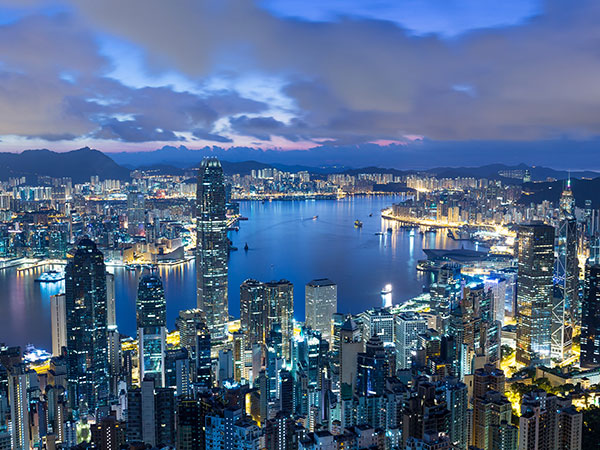
Moreover, Hong Kong's green trails and waterfront promenades are undeniable tourist highlights. The Victoria Harbour waterfront promenade allows visitors to enjoy the sea breeze while taking in Hong Kong's magnificent skyline. The Dragon's Back Trail is a paradise for hiking enthusiasts, winding along the ridges of Hong Kong Island and offering breathtaking views of the bay from above.
Exploring Hong Kong on foot is not only a journey through history and culture but also a culinary adventure. Hong Kong's dining scene, deeply influenced by both Eastern and Western traditions, offers a vast array of options—from classic Hong Kong-style cafes to modern creative restaurants, each boasting its own unique flavors.
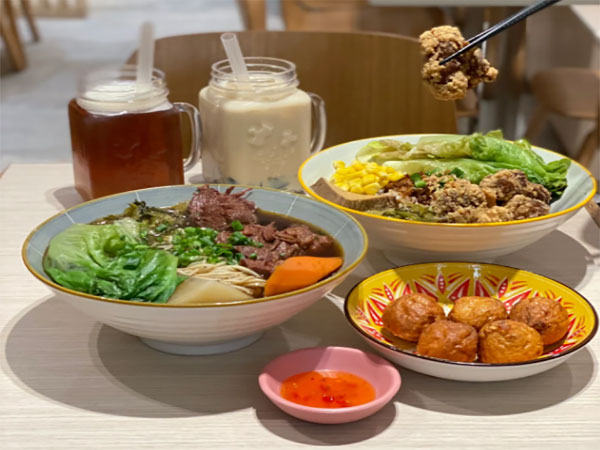
In areas like Sheung Wan or Central, savor classic dim sum like rice rolls, siu mai, and chicken feet. Indulge in authentic silk stocking milk tea and Hong Kong-style roasted meats—delicacies uniquely Hong Kong. When weary, pause for street snacks like fish balls or pineapple buns, integral to local life.
With the evolution of modern dining culture, Hong Kong's restaurants now emphasize not only culinary quality but also creativity. Establishments like vegetarian or eco-friendly eateries offer dishes that are both wholesome and aligned with contemporary sustainability trends. Whether you crave traditional flavors or trendy cuisine, Hong Kong has something to satisfy every palate.

 English