A tour to Harbin will be a different experience than to other cities in China. Here we would like to list some travel tips for your Harbin winter tour preparation.
What is the best time to visit Harbin
►Famous as “the City of Ice,” Harbin’s winter charm peaks from December to February, when the cold weather solidifies the snow and ice needed for its world-renowned festivals and activities. However, timing your visit within this window can elevate your experience significantly.
►The prime period falls between late December and early January. Starting around December 20, the Harbin Ice and Snow World begins its soft opening—a preview of the grandeur to come. By January 5, the official opening of the Harbin International Ice and Snow Festival kicks off, turning the city into a spectacular exhibition of ice art. During this time, temperatures are consistently cold enough (-20°C to -25°C) to preserve the ice sculptures, and the festive atmosphere is electric, with local performances, food stalls, and cultural events adding to the excitement. If you’re a fan of Christmas, visiting around December 25th allows you to enjoy both the holiday cheer and the early stages of the ice festival, though crowds tend to be larger.
► On the flip side, avoid the Spring Festival period (usually in late January or early February). Northern Chinese families place great importance on this traditional holiday, so many locals return home to celebrate, leading to most shops, restaurants, and tourist services closing temporarily. Public transportation may also be limited, and the few open attractions often have inflated prices. If your schedule is flexible, aim for mid-December or mid-February for fewer crowds while still enjoying the winter magic.
How about the weather in Harbin in winter season
Harbin’s winter is defined by its extreme cold, but understanding the climate nuances will help you prepare. From December to January—the coldest months—average high temperatures hover around -13°C, and lows can plummet to -25°C or even lower on particularly frigid days. February starts to warm slightly, with highs around -8°C and lows around -20°C, but snow and ice remain abundant.
A crucial local quirk: when Harbiners mention the temperature, they almost always omit the “subzero” prefix. If someone says “11℃,” they mean -11℃—a mistake that could leave you dangerously underdressed. Additionally, the dry northern air makes the cold feel more manageable than the humid chill of southern Chinese cities like Shanghai. For example, -20°C in Harbin often feels similar to -5°C in Shanghai because the low humidity doesn’t draw heat from your body as quickly. However, wind chill can amplify the cold, especially near the Songhua River or open areas, so always check the wind speed before heading out.
Sunlight hours are short in winter, with the sun rising around 7:30 AM and setting as early as 4:30 PM. Take advantage of the daylight for outdoor activities like skiing, and plan evening visits to ice parks when the sculptures are illuminated—this is when Harbin truly shines.
► See Harbin Climate & Weather to know about the climate situation of Harbin
What to pack for my Harbin winter tour
Packing for Harbin’s winter is all about layering and insulation. The key is to stay warm without being weighed down, as you’ll likely be moving between indoor spaces (which are heated to around 20°C) and the freezing outdoors. Here’s a detailed checklist:
- Base Layers: Opt for thermal underwear made of merino wool or synthetic fabrics—these wick away moisture and retain heat. Avoid cotton, as it stays damp and cools your body.
- Mid Layers: Fleece jackets, woolen sweaters, or down vests add extra insulation. A thick woolen coat or down jacket (with a hood) is essential for the outer layer—look for one with a water-resistant exterior to protect against snow.
- Bottoms: Wear thermal leggings under thick woolen pants or snow pants. Snow pants are ideal for activities like skiing or playing in the snow, as they’re waterproof and windproof.
- Footwear: Invest in high-top snow boots with thick insulation and anti-slip soles. The snow can be deep and icy, so boots that cover your ankles will keep your feet warm and prevent falls. Add woolen socks—two pairs if needed—but avoid overpacking your boots, as tight shoes reduce circulation and make your feet colder.
- Accessories: A fur-lined hat that covers your ears, a thick scarf that wraps around your neck and mouth, and waterproof gloves are non-negotiable. Consider bringing two pairs of gloves: a thin thermal pair for activities like taking photos, and a thicker waterproof pair for outdoor sports. A mask or balaclava will protect your nose and cheeks from frostbite, and sunglasses are essential to shield your eyes from the glare of sunlight on snow (snow blindness is a real risk).
- Camera Gear: Cold temperatures drain camera batteries quickly, so bring extra batteries and keep them warm in your coat pocket. Use a camera bag with insulation, or tuck your camera under your coat when not in use to prevent condensation from forming when you move indoors. A lens cloth is also handy to wipe away frost.
- Miscellaneous: Lip balm, moisturizer, and hand cream to combat the dry air. A small thermos for hot water or tea will keep you warm on the go. If you’re traveling with a phone, use a protective case and keep it close to your body—extreme cold can cause screens to freeze or batteries to die.
See the following links for a well preparation
► Harbin Winter Dress Tips
► How to Keep Warming in Harbin in Winter
► China Travel Preparation
What to do in my Harbin winter tour
Harbin’s winter activities are as diverse as they are thrilling, blending adventure, culture, and natural beauty. Here are our top recommendations, with extra details to help you plan:
- Skating on the Songhua River: When the Songhua River freezes solid (usually by mid-December), it becomes a massive outdoor ice rink. Rent a pair of skates for a few yuan and glide across the frozen water—there’s nothing quite like the feeling of skating on a river that stretches for kilometers. For beginners, consider hiring a coach or sticking to the more crowded areas where the ice is smoother. Be sure to wear thick socks and check the ice thickness (locals say it’s safe when it’s at least 15 cm thick) before stepping on.
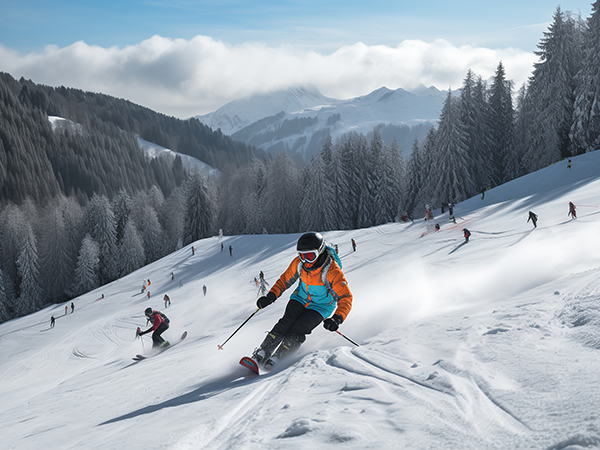
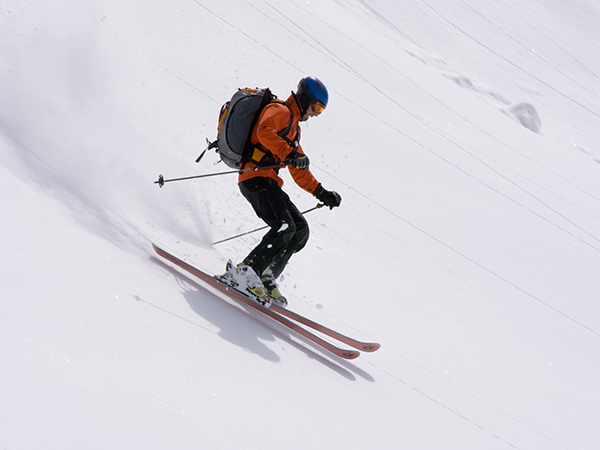
- Skiing & Snowboarding at Yabuli Ski Resort: A 2.5-hour drive from Harbin, Yabuli is China’s premier ski resort, offering slopes for all skill levels—from gentle beginner runs to challenging black diamonds. The resort has modern facilities, including ski rentals, ski schools, and cozy lodges. Spend a full day here: take a ski lesson in the morning, hit the slopes in the afternoon, and end with a hot pot dinner at the resort. If you’re feeling adventurous, try night skiing under the lights for a unique experience.
- Snow Biking & Ice Sailing: These fun activities are perfect for families or groups. Rent a snow bike (a bicycle with wide, snow-friendly tires) and cruise along the Songhua River or in parks like Sun Island. Ice sailing, which uses a sail to glide across the ice, is a thrilling way to experience the winter wind—no prior experience is needed, as instructors are available to teach you the basics. Both activities are affordable and offer a different perspective on Harbin’s winter landscape.
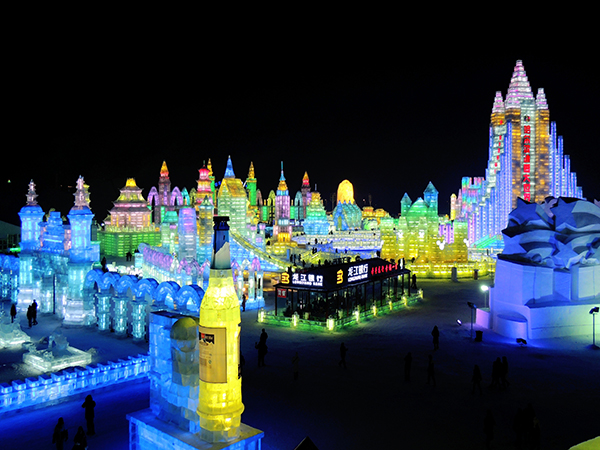
- Visit Harbin Ice and Snow World: This is the crown jewel of the Ice and Snow Festival. Covering over 600,000 square meters, it features massive ice sculptures of famous landmarks (like the Eiffel Tower or Great Wall), ice castles, and even ice slides. The park is open until late at night, when the sculptures are lit up with colorful LED lights, creating a surreal, fairy-tale atmosphere. Arrive early to avoid crowds, and wear extra layers—spending hours in the cold can be tiring.
- Explore St. Sophia Cathedral: This iconic Russian Orthodox cathedral is a Harbin landmark. In winter, it’s surrounded by snow, making it even more picturesque. Step inside to admire the intricate mosaics and architecture, or climb to the top for panoramic views of the city. The square around the cathedral often has ice sculptures and street performers, so take some time to wander and soak up the atmosphere.


 Ask a Question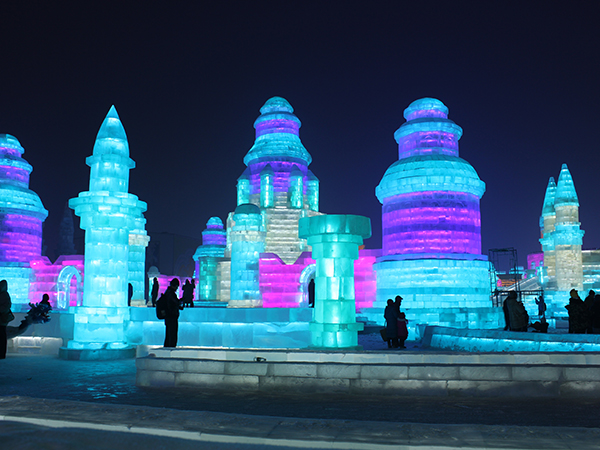

 English